Best Restaurant Interior Design Ideas That Transform the Dining Experience
Best Restaurant Interior Design Ideas That Transform the Dining Experience is for restaurant owners, designers, and operators who want rooms that do more than look attractive. Strong design supports comfort, service flow, food presentation, brand memory, and the emotional rhythm of the meal.
A: The strongest design supports comfort, service flow, brand identity, and the way guests actually use the room.
A: Yes. Ambience can influence dwell time, add-on orders, satisfaction, reviews, and return intent.
A: Only when the trend fits the concept, budget, maintenance reality, and guest promise.
A: Lighting is one of the fastest ways to change mood, food appeal, comfort, and perceived value.
A: Designing for photos while ignoring acoustics, seating comfort, staff movement, and maintenance.
A: Yes. Light, sound, clutter control, table comfort, and entrance clarity can create big gains.
A: Through materials, pacing, seating, service style, music, and details that match the food.
A: Walk the guest path, sit in every zone, test sound, check lighting, and run mock service.
A: The goodbye shapes the final emotional memory and can influence reviews and return visits.
A: Create a room that makes guests feel comfortable, oriented, and eager to return.
Why Restaurant Design Shapes the Meal
Best Restaurant Interior Design Ideas That Transform the Dining Experience is about more than style. For owners and designers improving layout, comfort, materials, and guest memory, restaurant interior design ideas that transform dining matters because guests experience the room before they taste the food. The entrance, lighting, sound, seating, temperature, and service path all tell guests what kind of meal they are about to have.
Good design makes hospitality easier to feel. It lowers confusion, supports staff movement, protects comfort, and gives the restaurant a memory beyond the plate. Bad design can make excellent food feel stressful, slow, or overpriced.
Start With the Guest Promise
Every restaurant should define the promise before choosing furniture or finishes. Is the room built for romance, speed, celebration, family comfort, solo dining, tasting menus, cocktails, or neighborhood routine? The design should make that promise easier to understand from the first few seconds.
When the promise is clear, decisions become easier. Seating, light levels, materials, music, menu format, and table spacing can all be judged against the same question: does this help the guest experience what the restaurant says it is?
Layout Is Hospitality Infrastructure
Layout determines how guests and staff move through the experience. A beautiful room can fail if servers collide, guests feel trapped, hosts lose sight of the entrance, or the bar blocks the path to the dining room. Layout is not only an aesthetic decision. It is operational infrastructure.
Owners should test the room in motion. Walk the route from door to host stand, table, bathroom, bar, payment, and exit. Then run a mock service. The best layout is often the one that feels calm when the room is full.
Comfort Builds Trust
Comfort is one of the most underrated design tools. Chair height, table size, sound levels, temperature, lighting, and personal space all affect whether guests relax. When guests feel physically comfortable, they are more likely to order another course, stay for dessert, and remember the restaurant warmly.
Comfort does not require softness everywhere. It requires fit. A fast lunch counter can use brisk seating if the expectation is clear. A fine-dining room needs longer-stay comfort. A bar needs energy without punishing conversation.
Lighting Sets the Emotional Pace
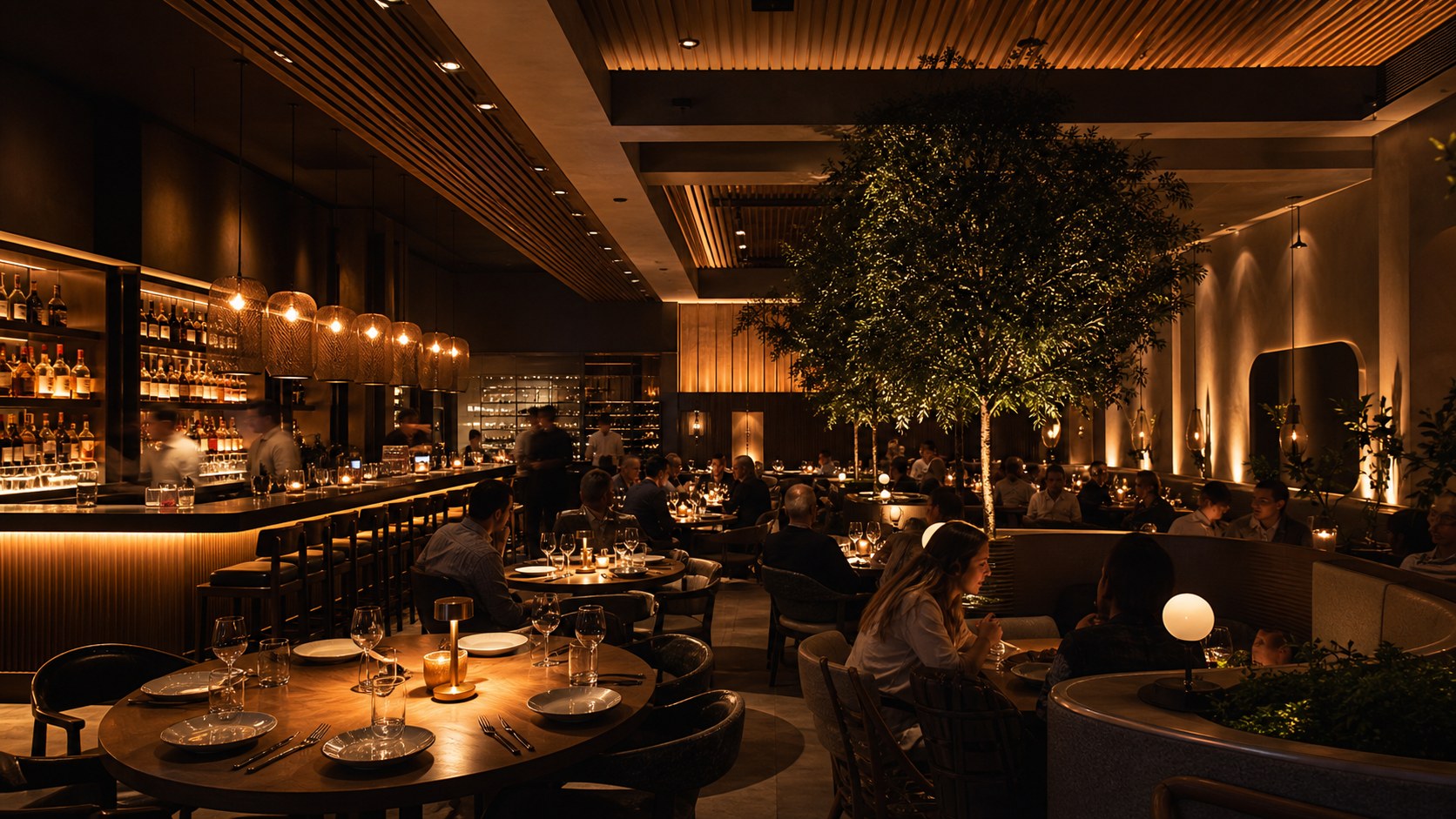
Lighting changes how food, faces, and materials appear. Too bright, and dinner can feel exposed. Too dim, and guests struggle with menus and steps. Layered lighting lets a restaurant shift between services while preserving atmosphere. Table light, accent light, wall light, and bar glow each have a job.
Lighting should be tested with actual food on the table. A beautiful room that makes dishes look gray or flat is working against the kitchen. The best lighting flatters the meal without calling attention to itself.
Sound Is Part of Design
Restaurant ambience is often won or lost through sound. Guests may forgive a plain chair more quickly than a room where they cannot hear each other. Acoustic panels, upholstery, curtains, ceiling treatments, spacing, and music volume can all shape satisfaction.
Sound strategy depends on the concept. A lively bar can be energetic, but a special-occasion dining room needs conversation. Owners should sit in the room during a busy service and listen honestly. If guests leave tired from shouting, the design is costing the restaurant loyalty.
Materials Must Survive Service
Restaurant materials need to age well under pressure. Tables, floors, banquettes, walls, menus, and hardware face spills, cleaning products, heat, sunlight, and constant contact. A finish that looks perfect on opening week may become a liability if it stains, chips, echoes, or slows cleaning.
Durability does not mean giving up beauty. It means choosing materials with the restaurant’s real volume and maintenance capacity in mind. The best rooms become more characterful with use, not visibly exhausted.
Atmosphere Should Support Sales Naturally
A well-designed room can support sales without feeling manipulative. Comfortable guests stay longer. Good lighting makes drinks and desserts more appealing. Clear table layouts help servers recommend naturally. A bar with the right energy can encourage a second round. These sales gains happen because the room supports the occasion.
The key is alignment. A restaurant should not push guests toward spending in a way that conflicts with comfort. The strongest atmosphere makes the next order feel like part of the experience, not a pressure tactic.
Design for Staff as Well as Guests
Staff experience matters because guests feel it indirectly. If servers cannot reach tables easily, hosts cannot manage the door, or bussers lack clear paths, the room becomes harder to serve. A design that ignores staff creates stress that eventually reaches the table.
Involve staff before final decisions when possible. They will notice awkward storage, blind corners, cramped service stations, and lighting problems that renderings miss. Design becomes stronger when it respects the people operating the room.
The Entrance and Exit Carry Memory
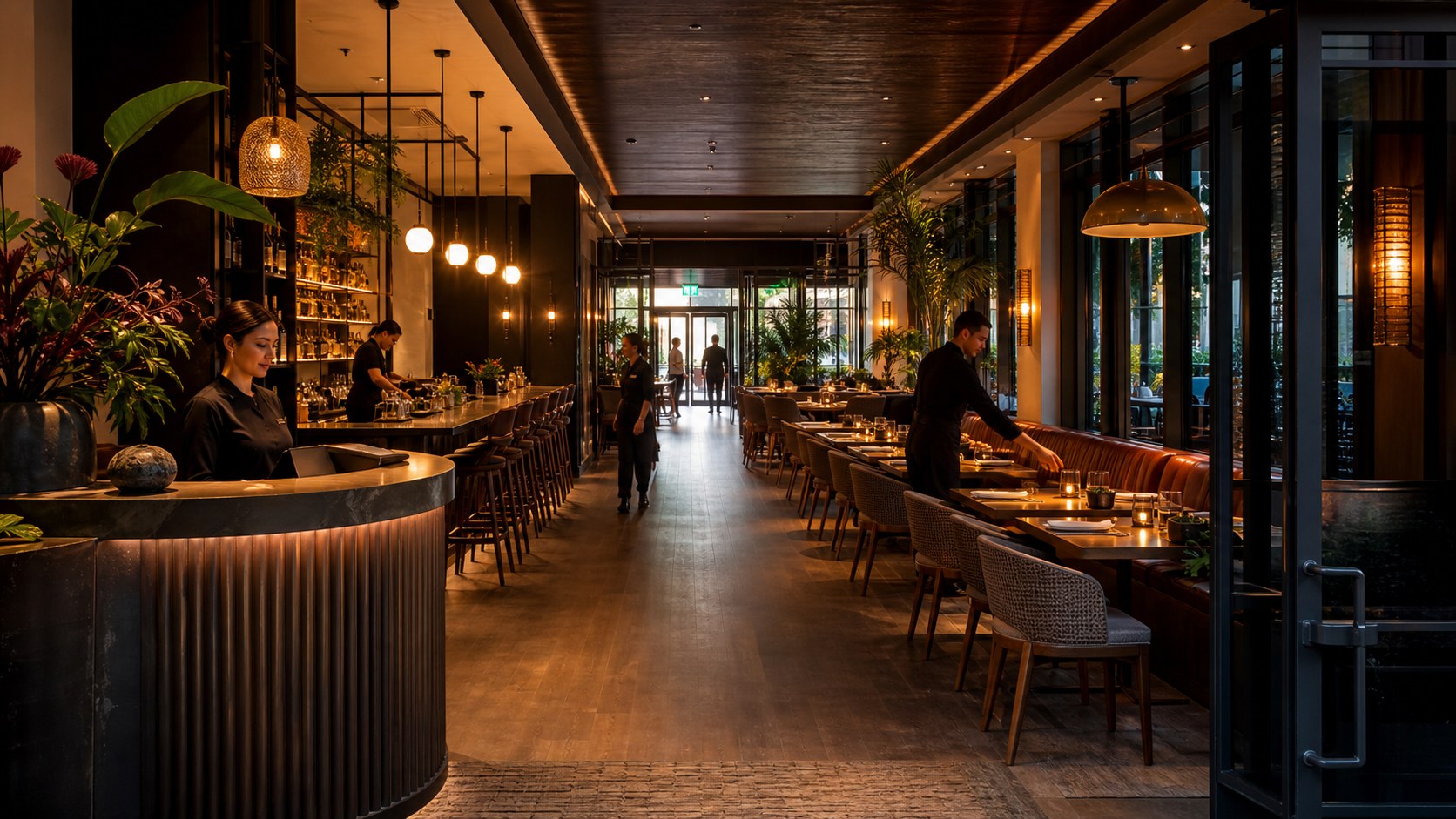
The entrance creates the first emotional shift from outside world to restaurant world. Guests should know where to go, who will greet them, and what mood they have entered. Confusing entrances create friction before hospitality begins.
The exit matters too. Payment, coat return, goodbye, and the path out of the room shape the final memory. A warm ending can make the whole meal feel more complete. A clumsy ending can flatten an otherwise strong experience.
Trends Need Filtering
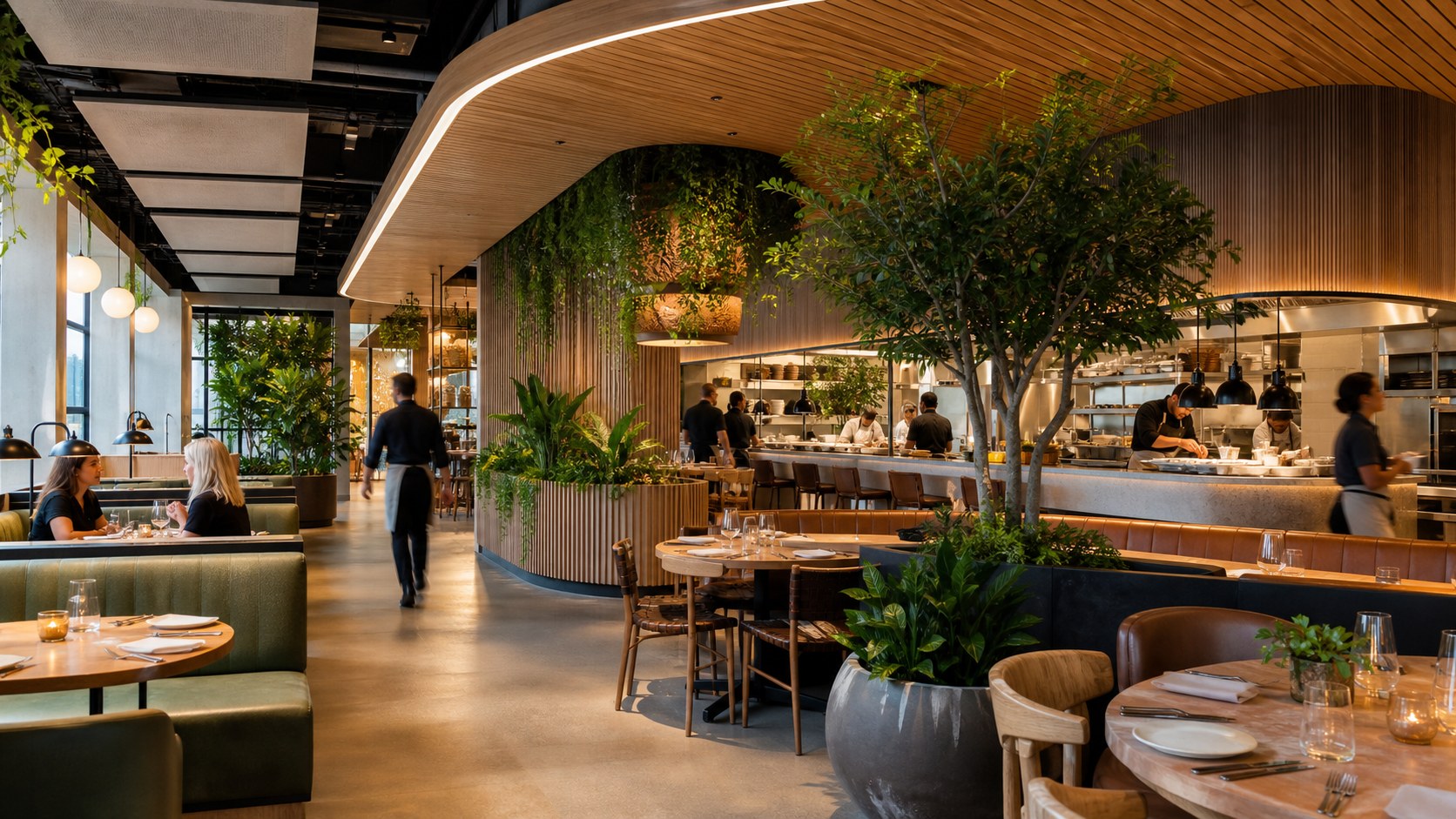
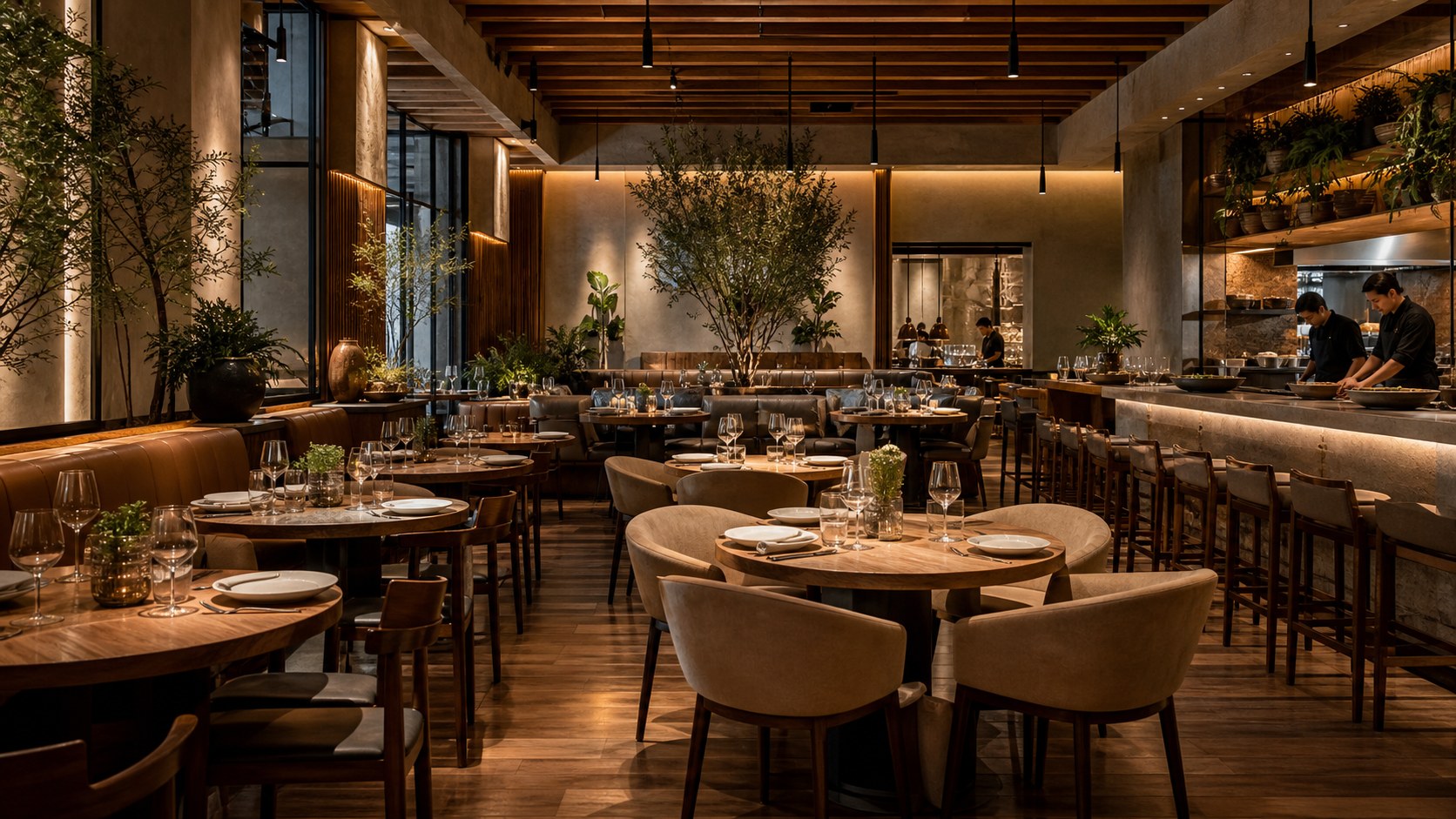
Restaurant design trends can be useful, but they need filtering. Plants, open kitchens, plaster walls, banquettes, natural wood, statement lighting, and modular seating can all work beautifully in the right context. They can also feel generic when copied without purpose.
Owners should ask what a trend does for the guest, staff, maintenance plan, and brand. If the answer is only that it looks current, the trend may age quickly. A design choice lasts longer when it solves a real problem.
The Practical Bottom Line
The practical bottom line for Best Restaurant Interior Design Ideas That Transform the Dining Experience is that design should make the restaurant easier to enjoy and easier to operate. The room should express the concept, support the staff, flatter the food, and help guests feel comfortable enough to return.
Great restaurant atmosphere is not accidental. It is built from dozens of small decisions that work together: light, sound, seating, materials, scent, pacing, service movement, and memory. When those decisions align, the dining experience feels transformed.
Budget Where Guests Feel It
Design budgets should prioritize the parts of the room guests and staff feel repeatedly. Chairs, lighting, acoustics, table stability, restroom quality, entrance clarity, and service paths often matter more than a single dramatic feature wall. A restaurant can look impressive in photos and still disappoint if the basics are uncomfortable.
Smart budgeting also means protecting maintenance. Owners should choose finishes, fixtures, and furniture that can be cleaned, repaired, or replaced without turning every scuff into a crisis. A durable room is not less beautiful. It is more honest about restaurant life.
Design for Accessibility
Accessible design is core hospitality. Clear paths, comfortable clearances, readable lighting, thoughtful restroom access, and seating options help more guests use the restaurant with dignity. Accessibility should be part of the design from the beginning, not added reluctantly after the room is finished.
Better accessibility often improves the experience for everyone. Wider paths help servers. Clearer wayfinding helps first-time guests. Better lighting helps older diners and staff. A restaurant that is easier to navigate usually feels more welcoming overall.
Make the Room Photogenic Without Becoming Shallow
Restaurants need visual appeal, but the room should not be designed only for photos. Guests may discover the restaurant through images, yet they return because the space works in person. A photogenic corner is useful; a whole room that sacrifices comfort for social media is weaker.
The best interiors photograph well because they have real depth: layered light, textures, human scale, and a clear point of view. When the design is authentic to the restaurant, photos become evidence of the experience rather than a substitute for it.
Plan Renovations in Phases
Many restaurants cannot close for a full redesign. Phased improvements can still change the room meaningfully. Lighting adjustments, acoustic treatments, seating upgrades, restroom refreshes, entrance cleanup, and better service stations can create a strong impact without a total rebuild.
Phasing requires discipline. Owners should decide which changes unlock the most comfort or revenue first, then avoid random updates that make the room feel patched together. A phased plan should still have a coherent final direction.
Test Every Seat
Owners and designers should sit in every section before finalizing a room. Some seats feel exposed, drafty, loud, too dim, too bright, or disconnected from service. Guests notice these differences. A restaurant that understands every seat can price, assign, and improve the room more intelligently.
Testing every seat also reveals operational details. Can servers reach the table? Does the chair back block a path? Does the table wobble? Is the music harsher near the speaker? These small discoveries can prevent months of avoidable guest complaints.
Let the Concept Lead the Details
The strongest design details come from the restaurant’s concept, not a generic mood board. A seafood restaurant, neighborhood pasta room, tasting counter, barbecue hall, bakery cafe, and cocktail lounge should not solve atmosphere in the same way. Details should make the food and occasion easier to understand.
Concept-led design also helps owners say no. Not every beautiful material, fixture, or trend belongs in the room. The best choices feel inevitable after the restaurant’s promise is clear.
Service Stations Shape the Room
Service stations are often treated as back-of-house necessities, but guests feel their placement. A poorly located station creates traffic, noise, clutter, and awkward interruptions. A well-designed station helps servers reset quickly without pulling attention away from the dining experience.
Stations should be close enough to support service and discreet enough to preserve ambience. Storage, water, silverware, POS access, and clearing paths all belong in the design conversation. A beautiful room needs practical support points to stay beautiful during service.
Balance the Senses
Atmosphere is sensory balance. Light, sound, smell, touch, temperature, and visual rhythm all interact. A warm room can feel heavy if ventilation is poor. Beautiful music can become exhausting if the surfaces are too reflective. A dramatic candlelit table can fail if guests cannot see the food.
The best restaurants tune the senses together. They test the room with guests present, food on tables, staff moving, and music at real service volume. Design should be judged in use, not only in empty-room photos.
Measure Guest Response
Design success should be measured after opening or renovation. Watch reservation patterns, dwell time, table requests, review language, server feedback, and guest complaints. If people praise the food but mention noise, discomfort, confusion, or lighting, the room is giving useful information.
Owners can improve atmosphere without guessing when they listen for patterns. A few comments may be preference. Repeated comments are design data. The best rooms keep evolving because operators keep paying attention after the opening reveal.