Eco-Friendly Restaurant Ideas That Actually Save Money
Eco-Friendly Restaurant Ideas That Actually Save Money is for restaurant teams that want sustainability to work in real kitchens, not just in mission statements. Strong sustainability reduces waste, protects quality, lowers avoidable costs, and gives staff systems they can follow during actual service.
A: Start by measuring waste, utilities, purchasing, and the practices staff can realistically change.
A: No. Many improvements save money when they reduce waste, energy use, repairs, or overproduction.
A: Quality stays high when sustainability improves storage, prep, sourcing, and consistency rather than cutting corners.
A: The biggest mistake is launching visible green claims without the systems to support them.
A: Tell guests when the practice is real, relevant, and connected to the dining experience.
A: Staff buy in when the system is clear, practical, measured, and respectful of service pressure.
A: Yes. Small changes in prep, storage, lighting, and purchasing can add up quickly.
A: Composting helps, but preventing waste before it happens has a bigger operational impact.
A: Track food waste, utility use, purchasing, spoilage, and the cost of each improvement.
A: The goal is a restaurant that wastes less while serving food guests still love.
Why Restaurant Sustainability Has to Be Practical
Eco-Friendly Restaurant Ideas That Actually Save Money is about sustainability that survives real service. For owners seeking lower utility costs, less waste, better purchasing, and smarter operations, eco-friendly restaurant ideas that save money matters only when it fits purchasing, prep, staffing, cost control, food safety, and the guest experience.
Restaurants operate on thin margins and tight routines. A sustainability plan that ignores the rush will fail. The strongest practices make the better choice easier for cooks, managers, dish teams, and servers to repeat.
Start by Measuring Waste
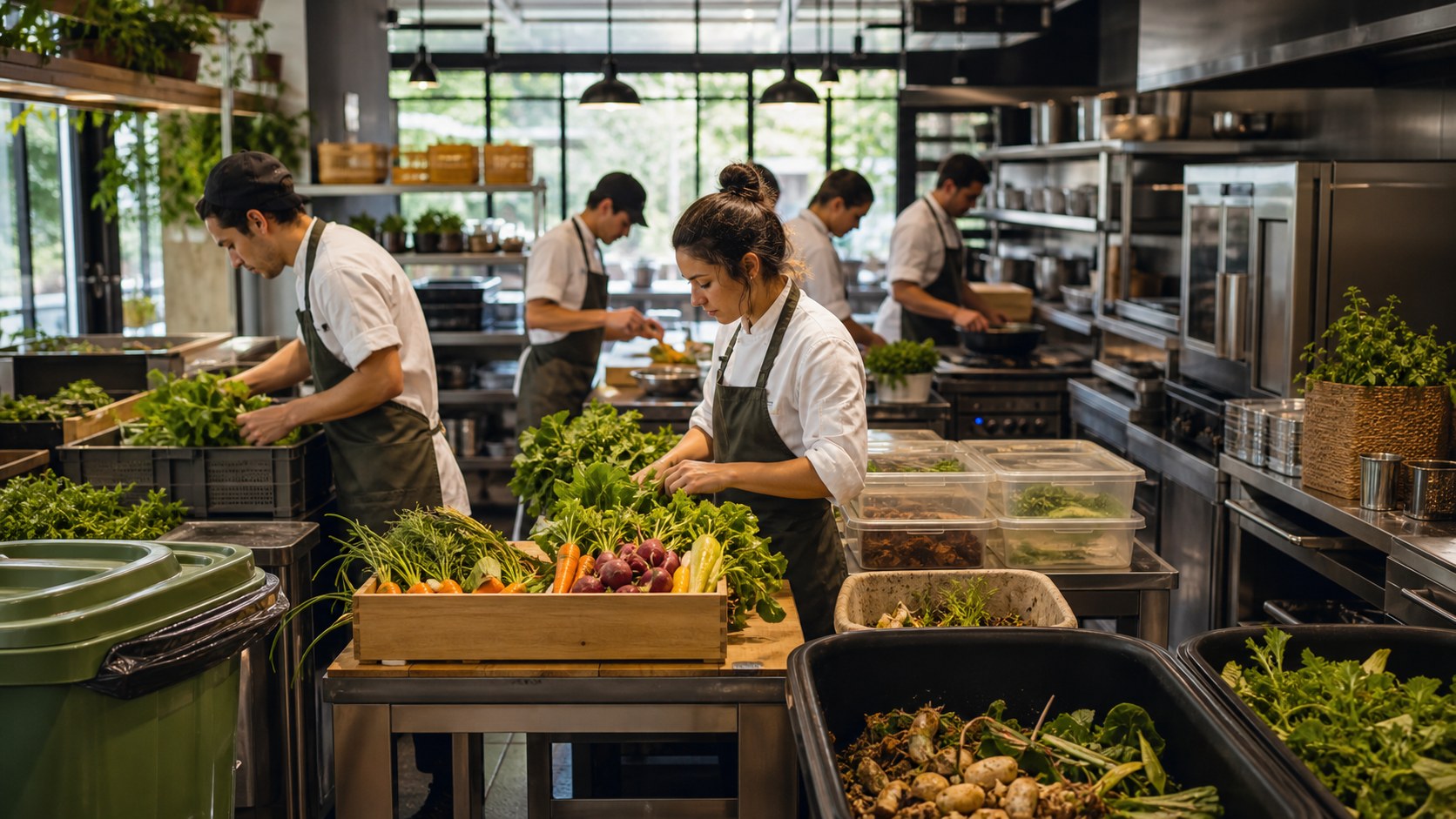
Good sustainability begins with measurement. Track what gets overproduced, spoiled, trimmed, returned, scraped from plates, or thrown away after service. A few days of honest waste logging can reveal patterns the team has normalized.
Measurement also prevents vague blame. The problem may be forecasting, portioning, storage, menu sprawl, supplier pack size, or unclear prep lists. Each cause needs a different fix.
Purchasing Shapes the Footprint
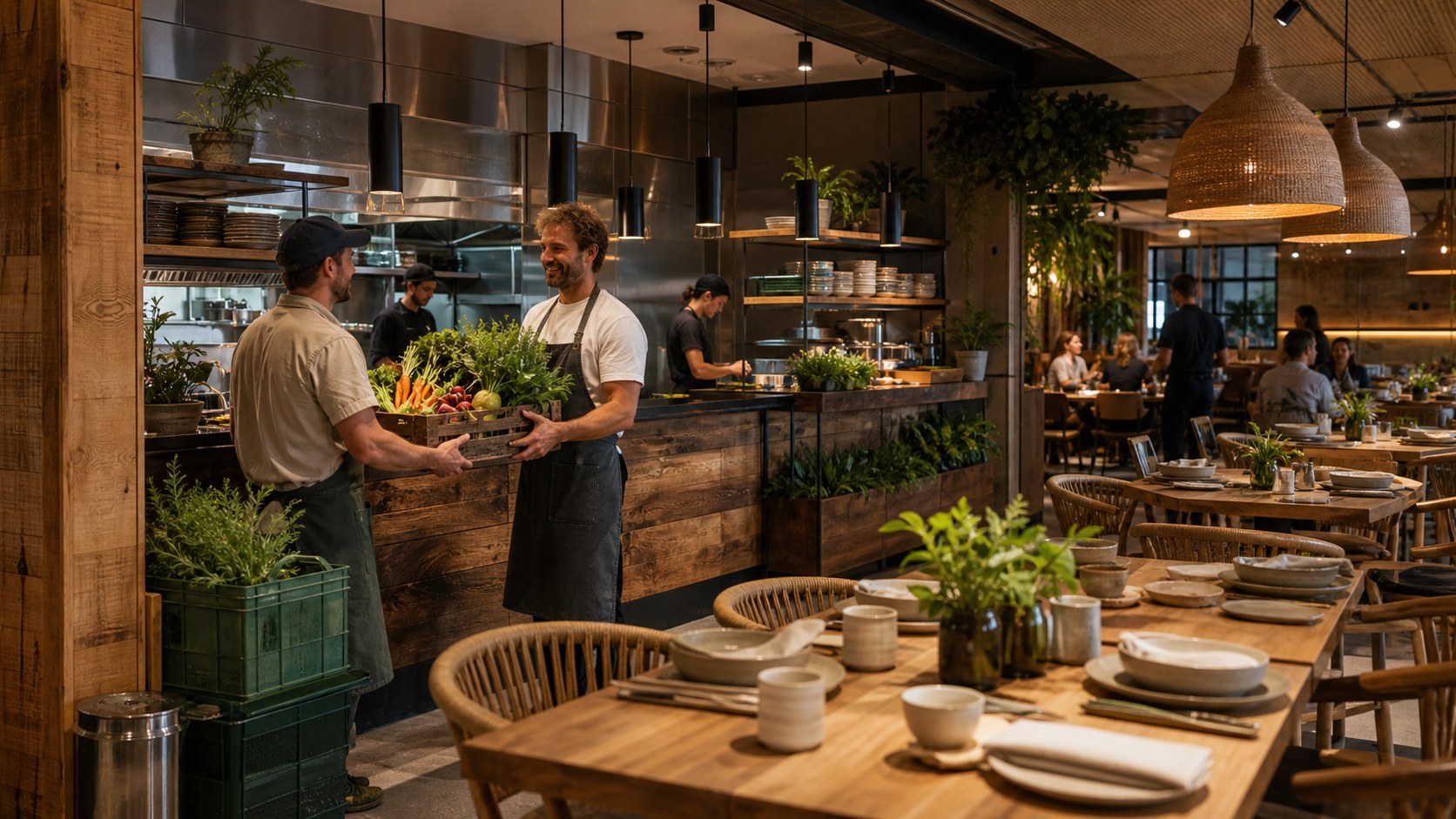
Sustainability starts before ingredients arrive. Supplier choices affect packaging, delivery frequency, seasonality, product quality, and waste. Restaurants can often reduce impact by ordering closer to real demand, choosing durable pack formats, and building relationships with producers who understand the menu.
Local sourcing can help, but local alone is not a guarantee. Reliability, farming practices, price stability, and product quality still matter. The best purchasing decisions serve the menu and the planet at the same time.
Waste Reduction Protects Quality
Reducing waste should not mean serving tired food or shrinking value. The strongest kitchens waste less because they store better, prep smarter, cross-utilize ingredients, and cook with clearer plans. Guests still receive food that feels generous and fresh.
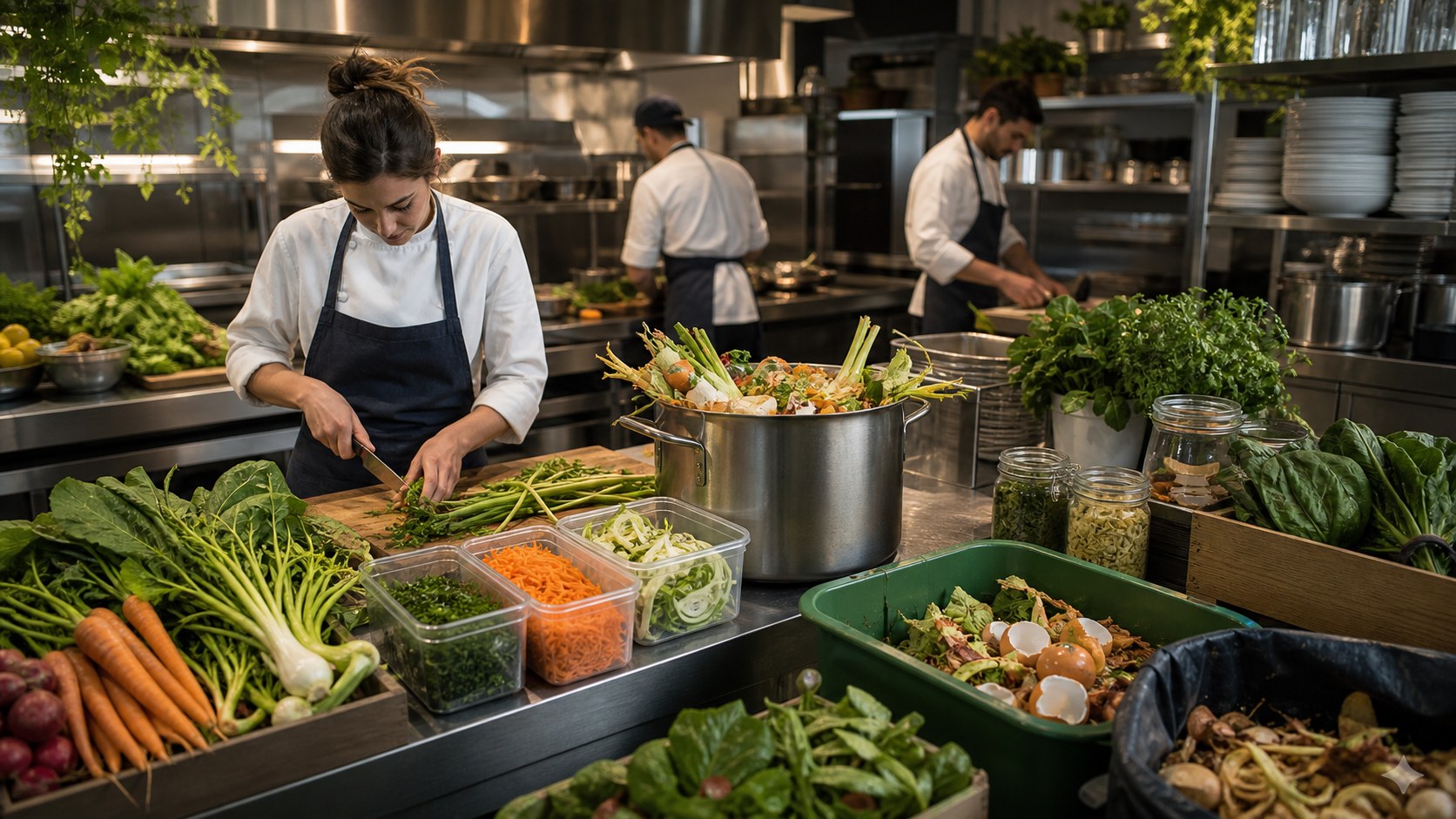
Trim use is a craft issue as much as a sustainability issue. Bones, stems, peels, herb stalks, and day-old bread can become stocks, sauces, crumbs, staff meal, garnishes, or specials when the kitchen plans for them early.
Energy and Water Are Margin Issues
Energy and water savings are not only environmental wins. They protect operating costs. Refrigeration maintenance, efficient lighting, induction where appropriate, smart ventilation habits, dish-area controls, and leak checks can reduce bills without changing the menu.
The key is maintenance. Efficient equipment wastes money if gaskets fail, coils clog, staff leave doors open, or controls are ignored. Sustainability becomes durable when it is assigned, checked, and managed.
Train the Whole Team
Sustainability cannot live only with the chef or owner. Dishwashers sort waste. Prep cooks control trim. Line cooks control portions. Servers explain menu choices. Managers order, schedule, and enforce routines. Everyone touches the system.
Training should be specific. Show what goes where, why a portion size matters, how to label correctly, when to save trim, and who checks the waste log. Practical instructions beat inspirational posters.
Design Menus for Lower Waste
Menus can reduce waste by cross-utilizing ingredients without making dishes feel repetitive. A vegetable might appear roasted in one dish, pickled in another, and used as trim in a stock. A sauce base can support several items when finished differently.
Menu discipline matters. Too many low-selling items create spoilage and training burden. A tighter menu can improve quality, purchasing, and speed while making sustainability easier to manage.
Make Packaging Choices Carefully
Packaging changes need operational honesty. Compostable packaging is not useful if the local waste stream cannot process it. Reusables save waste only when washing, storage, and loss rates make sense. Bulk purchasing helps when product freshness is protected.
Restaurants should ask where packaging actually goes after use. A sustainable-looking container that ends up in landfill may be less useful than a simpler system that prevents waste upstream.
Communicate Without Greenwashing
Guests appreciate sustainability when it feels real and connected to the meal. They are less patient with vague claims. Restaurants should communicate specific practices: seasonal sourcing, reduced waste specials, refill systems, compost partnerships, or energy improvements that are actually in place.
The tone should be confident but not preachy. Food still has to lead. Sustainability supports the experience; it should not make guests feel scolded for dining out.
Build a Step-by-Step System
A sustainable restaurant is built in steps. Start with waste measurement. Fix storage and labeling. Tighten purchasing. Train trim use. Improve energy and water routines. Add compost or donation only when prevention systems are already strong.
This sequence matters because visible programs can distract from bigger internal waste. A zero-waste kitchen starts with fewer mistakes, not more bins.
Track Savings and Results
Track results before and after changes. How much food waste dropped? Did utility bills move? Did spoilage fall? Did staff follow the process? Did quality stay steady? Without measurement, sustainability becomes hard to defend when the restaurant gets busy.
Numbers also build momentum. When staff see that a prep change saves money and reduces waste, the practice feels less like extra work and more like professional pride.
The Practical Bottom Line
The practical bottom line for Eco-Friendly Restaurant Ideas That Actually Save Money is that sustainability works best when it makes the restaurant more disciplined. Less waste, better storage, smarter sourcing, lower utilities, and clearer training can improve both values and margins.
The best sustainable restaurants do not choose between quality and responsibility. They build systems where good food, good operations, and lower waste support one another service after service.
Protect Food Safety First
Sustainability should never weaken food safety. Any plan for reuse, donation, trim use, cooling, storage, or composting has to respect time, temperature, sanitation, allergen control, and local health rules. A restaurant that protects guests earns the right to improve its footprint.
Food safety also makes sustainability more credible. Clear labels, clean containers, organized shelves, and disciplined cooling reduce both risk and waste. The same habits that protect guests often protect margins too.
Assign Ownership
A sustainability plan needs owners inside the operation. Someone should check waste logs, someone should train new staff, someone should maintain utility routines, and someone should follow up with suppliers. When everyone is vaguely responsible, the system fades during busy weeks.
Ownership does not have to mean bureaucracy. A simple weekly review can be enough: what was wasted, what changed, what saved money, what confused staff, and what needs adjustment. The rhythm matters more than the paperwork.
Use Staff Ideas
Staff often know where waste hides. Prep cooks know which trim is discarded. Dish teams know which plates come back full. Servers know what guests leave behind. Managers know which orders are overbuilt. A sustainable restaurant listens to these observations before buying a new program.
Inviting staff ideas also builds buy-in. People support systems they helped shape, especially when the system makes their work cleaner or less frustrating. Sustainability becomes culture when it moves from management language into daily kitchen problem-solving.
Make Small Wins Visible
Small wins keep momentum alive. A lower trash bill, fewer spoiled herbs, better stock yield, reduced water use, or a successful trim-based special can show the team that the effort matters. These wins should be shared plainly, with numbers when possible.
Visibility should stay honest. A restaurant does not need to exaggerate impact to build pride. Staff can respect practical progress: less waste, cleaner storage, fewer emergency orders, and a kitchen that feels more controlled.
Coordinate With Vendors
Vendors can help or hinder sustainability. Restaurants should ask about delivery frequency, reusable crates, case sizes, imperfect produce, local substitutions, and packaging reduction. A supplier may have options the restaurant never sees unless someone asks directly.
Good vendor coordination also protects quality. Smaller deliveries may reduce spoilage. Better pack sizes may reduce over-ordering. Seasonal conversations may help chefs plan menus around products that are abundant, flavorful, and cost-effective.
Donation Needs a System
Food donation can be valuable, but it needs a system. Restaurants should define which foods are eligible, how they are cooled, how they are labeled, who contacts partners, and when pickup happens. A rushed donation plan can create confusion or safety concerns.
Donation is not a replacement for waste prevention. The best kitchens first reduce overproduction, then donate safe surplus that remains. Prevention protects the business; donation supports the community when surplus still happens.
Design the Dish Area
The dish area is central to sustainability because it touches water, energy, chemicals, sorting, breakage, and labor. A messy dish area can undermine good intentions fast. Clear stations, proper scraping, efficient racks, and staff training can reduce both waste and frustration.
Water-saving changes should be tested with real volume. The goal is lower use without slowing sanitation. A system that saves water but causes backups may fail during service. Practical sustainability respects the pace of the room.
Review Monthly
Sustainability needs a monthly review because restaurant conditions change. Menus shift, suppliers change prices, staff turn over, equipment ages, and guest demand moves. A practice that worked in spring may need adjustment by winter.
The review can stay simple: waste, utility use, spoilage, staff feedback, supplier changes, and one next action. A steady review keeps sustainability alive after the initial enthusiasm fades.
Plan Specials Around Surplus
Specials can turn potential waste into a guest-facing strength when they are planned with care. A soup, pickle, pasta filling, staff meal feature, sauce, dessert component, or vegetable side can use surplus without making the menu feel like leftovers. The key is quality: the special must still taste intentional.
Chefs should create a few flexible formats that absorb safe surplus gracefully. This gives the kitchen creative options when demand shifts and helps managers avoid panic discounts or quiet disposal.
Keep Guest Trust
Guests respond best to sustainability when the restaurant remains generous and delicious. If portions shrink, quality drops, or language becomes preachy, the message can backfire. Sustainability should make the operation smarter, not make the guest feel punished for eating there.
Trust grows when claims are specific. A restaurant can mention a compost partner, seasonal sourcing, reduced waste specials, or reusable systems. Broad claims such as green or eco-friendly need proof behind them.
Build Habits Before Campaigns
Restaurants often want to announce sustainability before the habits are mature. It is better to build the routines first. Once staff know the system, numbers improve, and suppliers are aligned, communication becomes easier and more credible.
The strongest sustainable restaurants feel steady rather than performative. Their practices show up in ordering, prep, cleaning, training, and cost control. By the time guests hear about the work, the team is already living it.
What Success Looks Like
Success is not a perfect restaurant with no footprint at all. Success is a restaurant that wastes less this month than last month, buys more intelligently, trains more clearly, and keeps quality high while reducing avoidable harm.
That kind of progress is measurable and durable. It gives owners a reason to keep improving, staff a system they can follow, and guests a better meal with a better story behind it.