Meet the Producers Behind Michelin-Star Ingredients
Meet the Producers Behind Michelin-Star Ingredients is for food lovers and restaurant professionals who want to understand the craft behind luxury dining ingredients. It explains how the producers, growers, fishers, cheesemakers, and artisans behind exceptional restaurant ingredients shapes the food guests receive, the stories restaurants can honestly tell, and the operational discipline needed to make supplier relationships work.
A: They can include farmers, fishers, foragers, cheesemakers, millers, ranchers, fermenters, and specialty artisans.
A: Exceptional producers help chefs access flavor, consistency, rarity, provenance, and craft that standard supply may not offer.
A: No. Rarity matters only when the ingredient delivers quality and fits the dish.
A: Through markets, referrals, visits, supplier networks, travel, tastings, and long-term industry relationships.
A: It connects the ingredient to method, place, people, and flavor in a way guests can understand.
A: Often yes, because the ingredient's season, texture, and supply shape the chef's choices.
A: Small volume, seasonality, aging time, delivery constraints, and high handling standards can all create challenges.
A: Yes, when permission, accuracy, and staff knowledge support the claim.
A: They train staff, control storage, inspect quality, and design dishes that respect the product.
A: Behind a memorable ingredient is often years of craft before it reaches the restaurant.
Why Supplier Stories Matter
Meet the Producers Behind Michelin-Star Ingredients begins with a simple truth: restaurants are only as strong as the ingredients and relationships behind them. For food lovers and restaurant professionals who want to understand the craft behind luxury dining ingredients, the producers, growers, fishers, cheesemakers, and artisans behind exceptional restaurant ingredients is not a romantic detail; it is part of quality control, menu identity, cost discipline, and guest trust.
Supplier work also affects the restaurant’s identity. When a chef knows who grew, caught, aged, milled, or packed an ingredient, the menu can become more specific without becoming gimmicky.
That specificity should still serve the guest. A story is useful when it helps explain flavor, season, texture, scarcity, craft, or price in a way that makes the dish clearer.
A useful first step is to map the supplier’s role in one dish from order to guest. That map reveals where quality can be lost, where communication needs to happen, and which employees need better instructions.
This is where disciplined restaurants separate themselves from vague farm-to-table language. They ask better questions, document what arrives, and teach staff how to protect the value of the ingredient after purchase.
From Source to Service
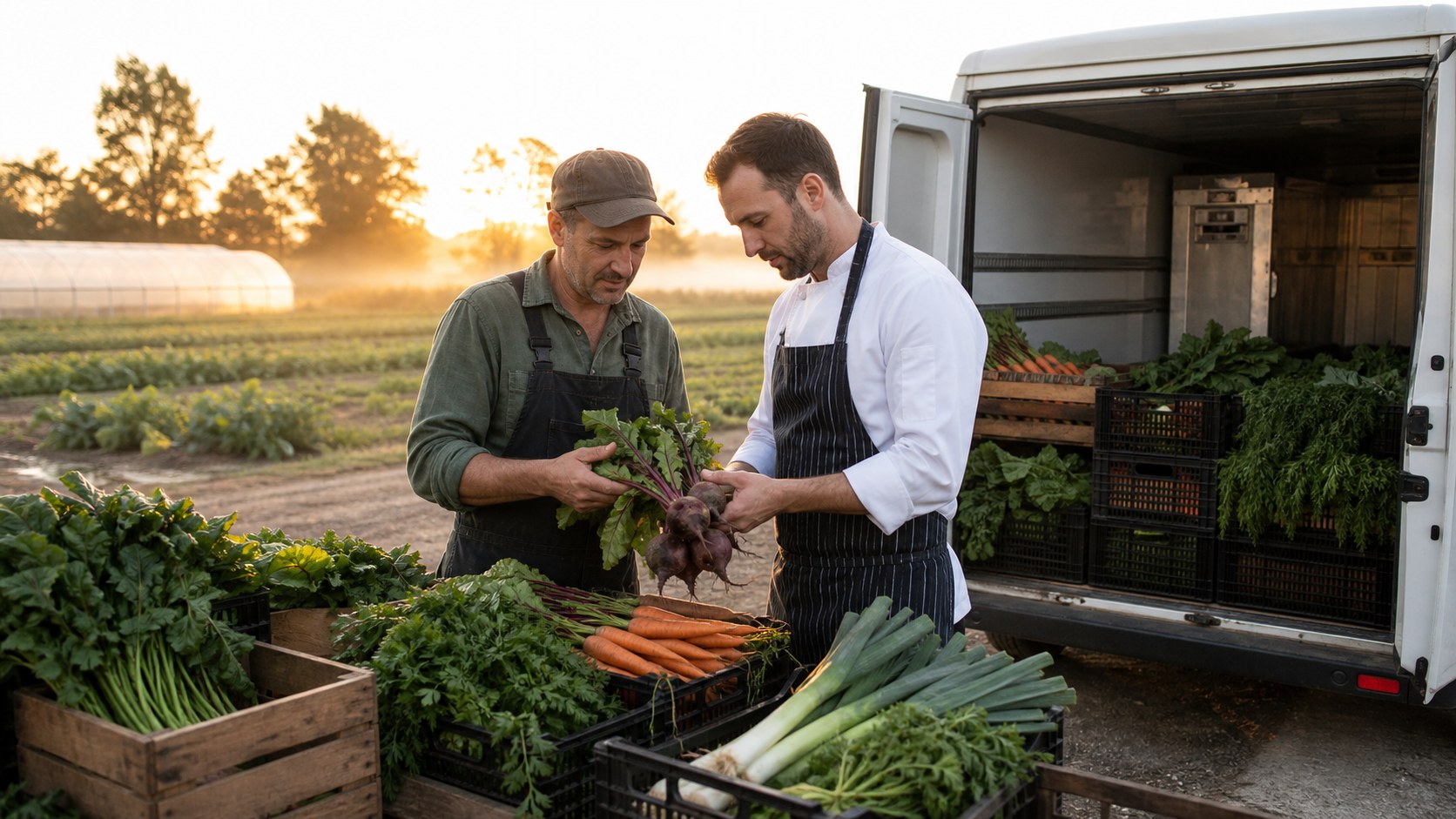
The work starts before the restaurant places an order. Chefs and managers need to understand availability, lead times, harvest or production limits, delivery windows, pack sizes, and how fragile products should be handled once they arrive.
A serious sourcing system also needs records. Restaurants should track who supplied the product, when it arrived, what condition it was in, how much yield it produced, and whether the team would order it again.
Those records protect the relationship because they turn vague impressions into useful feedback. A chef can praise what worked and discuss what failed with evidence instead of emotion.
Restaurants should review supplier performance on a schedule rather than only after a bad delivery. A monthly review can cover quality, fill rates, substitutions, invoice clarity, delivery timing, and how well products supported the menu.
The best operators also leave room for human relationship. A producer or supplier who feels respected is more likely to communicate early, suggest better options, and help solve problems when the market shifts.
That combination of structure and trust is what makes sourcing durable. It keeps the restaurant from depending on luck, and it gives the supplier a partner who understands the realities behind the product.
Quality Is More Than Freshness
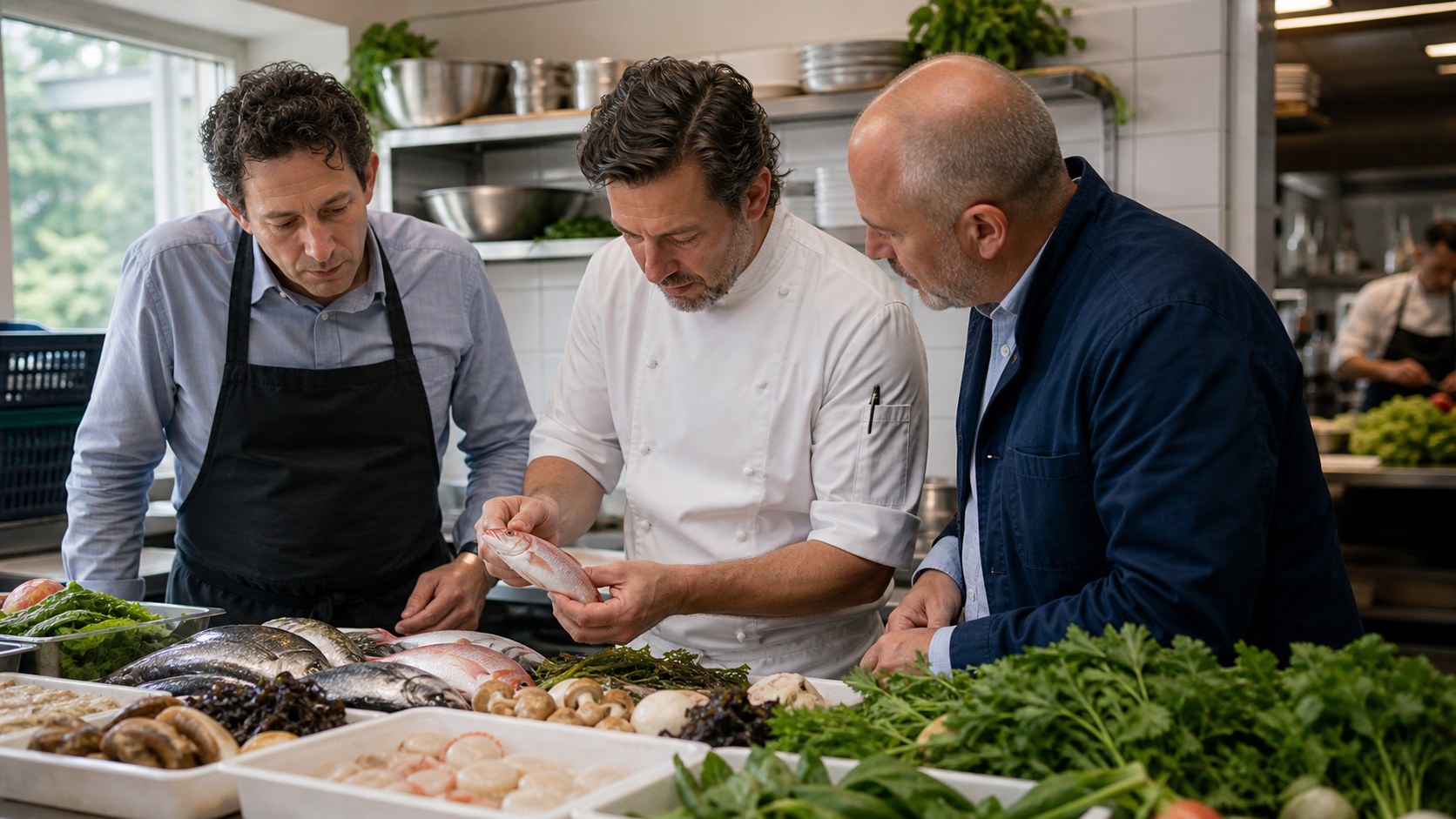
Freshness matters, but it is not the only measure. A product can be fresh and still be inconsistent, poorly packed, difficult to prep, or wrong for the dish. Strong restaurants evaluate ingredients through flavor, yield, texture, storage behavior, and how reliably they perform during service.
Quality should be judged by the people who actually handle the ingredient. The chef may love the flavor, while the prep team may notice trim loss, storage problems, or variation that affects execution.
The strongest restaurants collect those observations before making sourcing decisions permanent. That keeps the romance of the ingredient connected to the reality of production.
Chefs also need to understand how supplier choices affect prep labor. A product with better flavor but heavier trim may still be worthwhile, but the restaurant should price and schedule around that reality.
This is where disciplined restaurants separate themselves from vague farm-to-table language. They ask better questions, document what arrives, and teach staff how to protect the value of the ingredient after purchase.
Communication Keeps Menus Honest
Communication is the invisible infrastructure of supplier quality. When farms, producers, hubs, and distributors tell chefs what is changing early, menus can flex without disappointing guests. Silence turns normal supply variation into service stress.
Communication should also include limits. Suppliers should be able to say when a product is not at its best, when volume is unrealistic, or when a substitute would protect the restaurant better than forcing the original plan.
Restaurants that welcome honest limits usually get better advice. They become partners in problem-solving rather than accounts that only want perfect news.
The relationship becomes stronger when both sides can talk about money without shame. Producers and suppliers need viable margins, while restaurants need prices that make sense on the plate.
The best operators also leave room for human relationship. A producer or supplier who feels respected is more likely to communicate early, suggest better options, and help solve problems when the market shifts.
Logistics Protect Flavor
Logistics decide whether craft survives the journey. Cooling, packing, routing, receiving, and storage can protect or damage an ingredient before a cook ever touches it. Restaurants that care about sourcing have to care about the back door as much as the dining room.
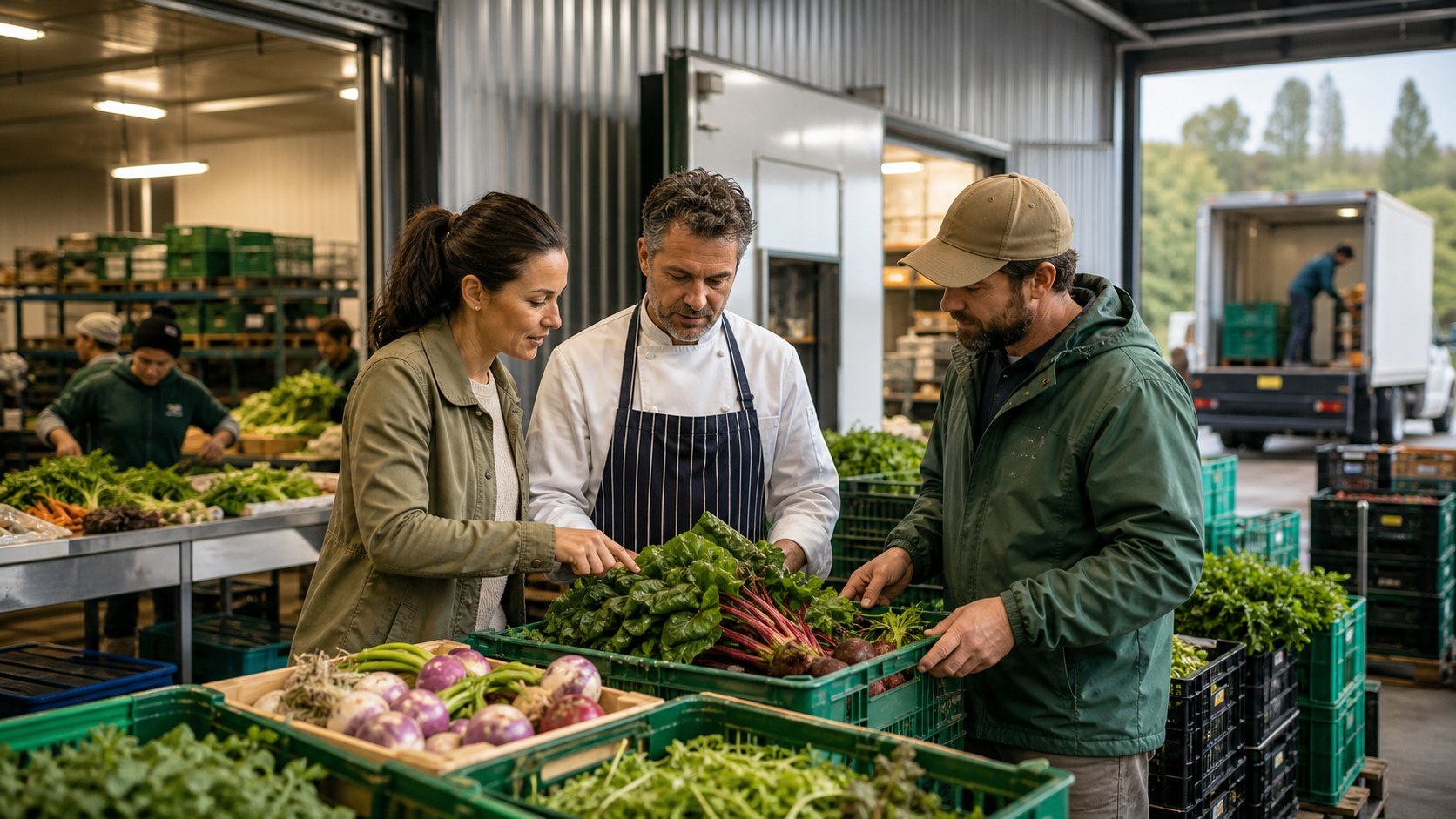
Receiving is often the most overlooked sourcing step. A beautiful supplier relationship can be wasted if boxes sit too long, cold items warm up, herbs are crushed, or invoices are checked after the kitchen is already busy.
The person at the back door needs enough training to recognize quality, urgency, and storage needs. Otherwise, the restaurant pays for premium sourcing and loses value immediately.
Managers should decide which products deserve backup suppliers and which products can be allowed to disappear seasonally. Not every ingredient needs a substitute; sometimes the honest answer is to change the dish.
This is where disciplined restaurants separate themselves from vague farm-to-table language. They ask better questions, document what arrives, and teach staff how to protect the value of the ingredient after purchase.
That combination of structure and trust is what makes sourcing durable. It keeps the restaurant from depending on luck, and it gives the supplier a partner who understands the realities behind the product.
Pricing and Trust
Pricing works best when both sides understand value. Restaurants need margins, but producers need payment that reflects labor, risk, skill, and delivery. A cheap ingredient that creates waste or inconsistency is rarely cheap by the end of service.
Fair pricing also supports future access. Producers remember restaurants that pay cleanly, order thoughtfully, and do not use every market swing as a reason to renegotiate aggressively.
This does not mean operators should ignore margins. It means both sides need a clear understanding of food cost, labor, risk, and the value the ingredient brings to the guest experience.
This is especially important for restaurants that make public sourcing claims. If staff cannot explain the source, and managers cannot verify the chain, the claim should be simplified until the operation can support it.
The best operators also leave room for human relationship. A producer or supplier who feels respected is more likely to communicate early, suggest better options, and help solve problems when the market shifts.
Training the Restaurant Team
The team needs training because supplier stories do not live only with the chef. Receivers inspect quality, prep cooks protect yield, servers answer guest questions, and managers resolve issues. If the story is real, the whole restaurant should know the practical parts.
Servers do not need a long speech about every producer, but they do need enough knowledge to answer natural questions. What makes this tomato different, why is the cheese seasonal, or why does the fish change this week.
Prep cooks also need training because their handling may determine whether the ingredient reaches the plate at its best. Sourcing is a team responsibility after the purchase order is placed.
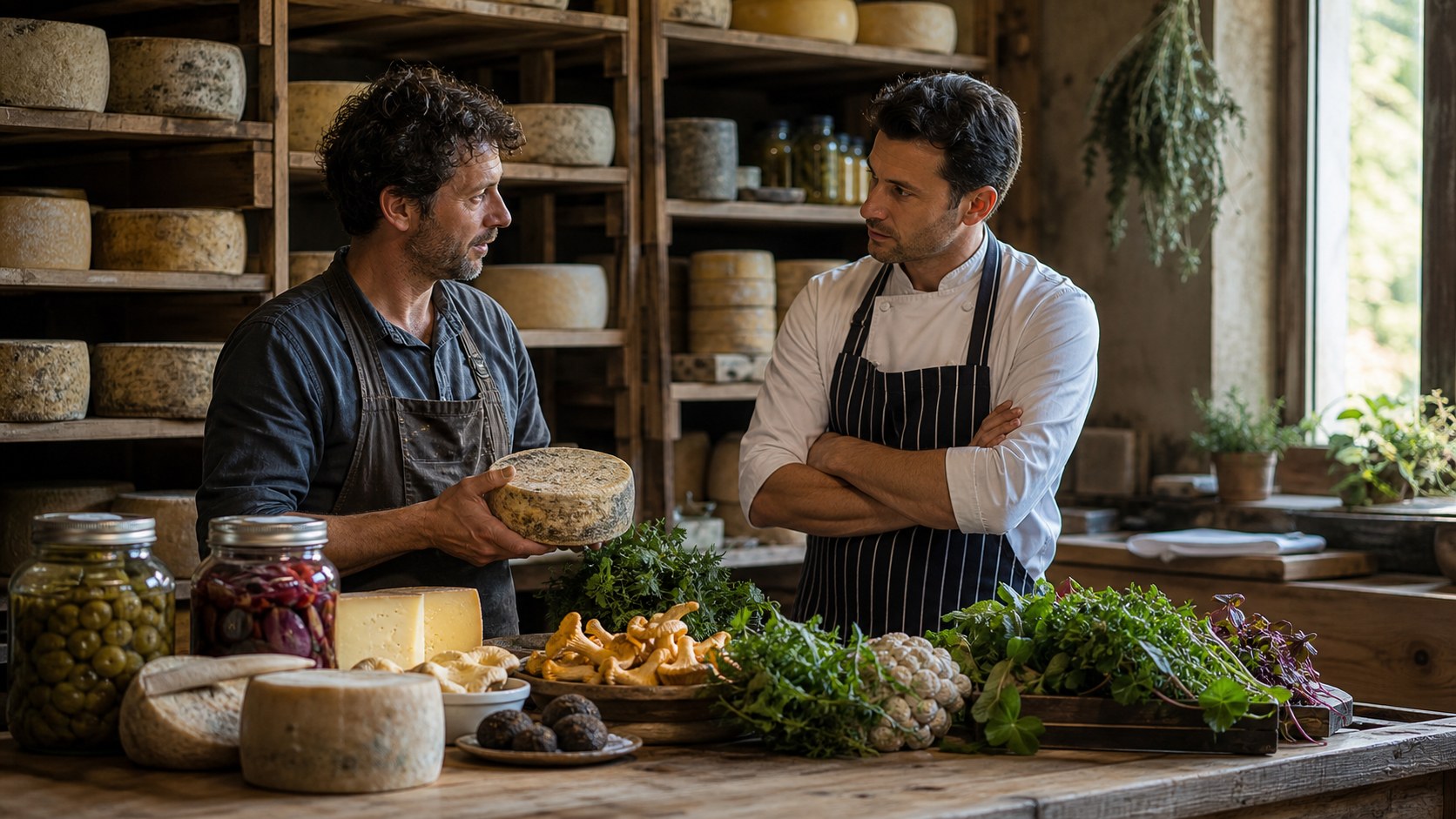
Supplier relationships also influence creativity. A farmer may suggest a variety before it is common, a fisher may explain a seasonal catch, and an artisan may offer a product that changes the direction of a dish.
This is where disciplined restaurants separate themselves from vague farm-to-table language. They ask better questions, document what arrives, and teach staff how to protect the value of the ingredient after purchase.
When Supply Changes
Supply will change because weather, harvest cycles, boats, aging rooms, labor, and transportation all change. Strong restaurants build backup plans without treating every change as betrayal. Flexibility is part of serious sourcing.
A strong menu can bend without breaking. If a farm loses a crop, a boat misses weather, or an aging room needs more time, the restaurant should know which dishes can flex and which guest promises must be changed.
Backup planning is not a lack of commitment to the supplier. It is respect for the real conditions that make excellent ingredients possible.
The restaurant still has to filter those opportunities through service. A beautiful ingredient that slows the line, confuses guests, or breaks food cost may need a different preparation or a smaller role.
The best operators also leave room for human relationship. A producer or supplier who feels respected is more likely to communicate early, suggest better options, and help solve problems when the market shifts.
That combination of structure and trust is what makes sourcing durable. It keeps the restaurant from depending on luck, and it gives the supplier a partner who understands the realities behind the product.
Guest Storytelling
Guest storytelling should be specific, brief, and connected to the plate. A producer name, place, variety, or method can make a dish more meaningful, but the explanation should support flavor rather than become a lecture.
The dining room should avoid turning supplier stories into performance. A few precise details are often more powerful than a long explanation that delays service or makes the guest feel tested.
When staff speak plainly and accurately, the story feels more trustworthy. Guests can then connect the ingredient to the people behind it without losing sight of the meal itself.
Strong sourcing also improves resilience. When a restaurant treats suppliers well during normal weeks, it is more likely to receive honest advice and practical help during shortages, storms, events, or sudden demand changes.
This is where disciplined restaurants separate themselves from vague farm-to-table language. They ask better questions, document what arrives, and teach staff how to protect the value of the ingredient after purchase.
The Practical Bottom Line
The practical bottom line for Meet the Producers Behind Michelin-Star Ingredients is that supplier relationships are operational assets. They help restaurants serve better food, respond to change earlier, and make sourcing claims that can be backed up by real systems.
The restaurants that do this well are not simply buying better ingredients. They are building better feedback loops between field, dock, aging room, delivery route, receiving station, prep table, service line, and dining room.
That loop is what makes a supplier story operational instead of decorative. It turns sourcing from a claim into a practice the restaurant can prove every day.
The habit to protect is curiosity with discipline. Ask where the ingredient comes from, how it was handled, what it needs next, and whether the restaurant’s systems are worthy of the work already invested in it.
The best operators also leave room for human relationship. A producer or supplier who feels respected is more likely to communicate early, suggest better options, and help solve problems when the market shifts.