

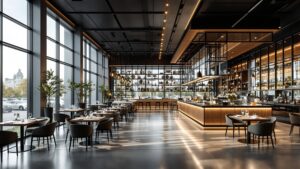
Modern Restaurant Architecture: Design Trends Shaping Dining Spaces in 2026
Restaurants in 2026 are more than places to eat—they’re immersive architectural experiences. Discover how open kitchens, sustainable materials, biophilic design, and flexible layouts are redefining dining environments. From rooftop gardens to storytelling interiors, modern restaurant architecture blends creativity, technology, and hospitality to create unforgettable spaces where food, design, and atmosphere come together.
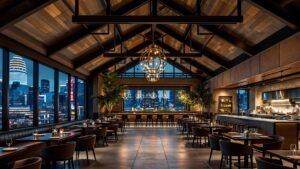
How Restaurant Architecture Influences Customer Experience and Dwell Time
Great restaurants are built long before the first dish is served. Discover how architecture—from lighting and layout to materials and spatial flow—shapes how guests feel, how long they stay, and why they return. This guide explores the powerful connection between restaurant design and unforgettable dining experiences.

Small Restaurant Architecture Ideas for Compact Urban Spaces
Small spaces can create big dining experiences. Explore innovative restaurant architecture ideas designed for compact urban locations—from clever layouts and open kitchens to lighting and seating strategies that maximize space, atmosphere, and profitability. Discover how thoughtful design can transform even the tiniest restaurant into a vibrant destination guests love to visit.