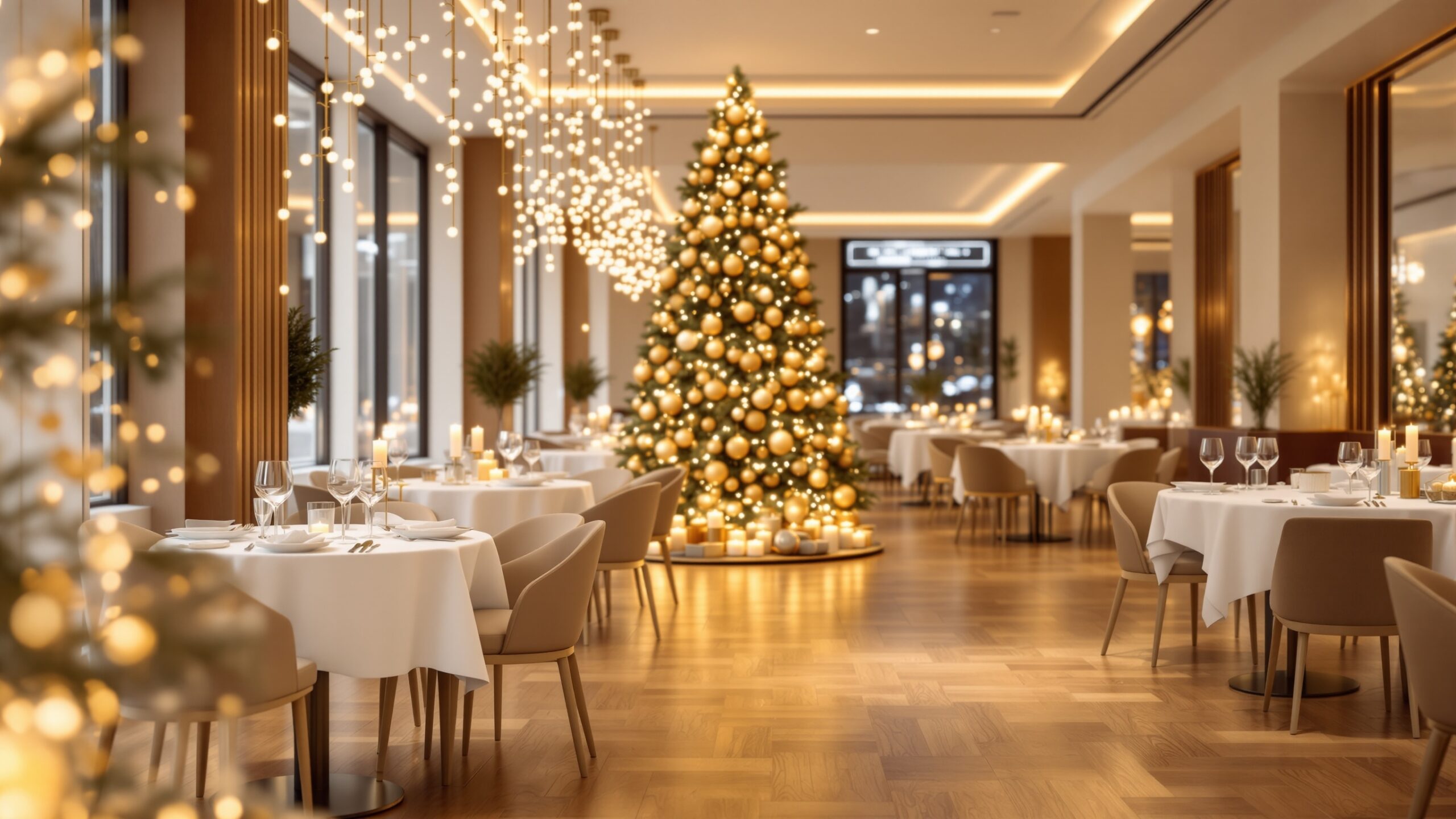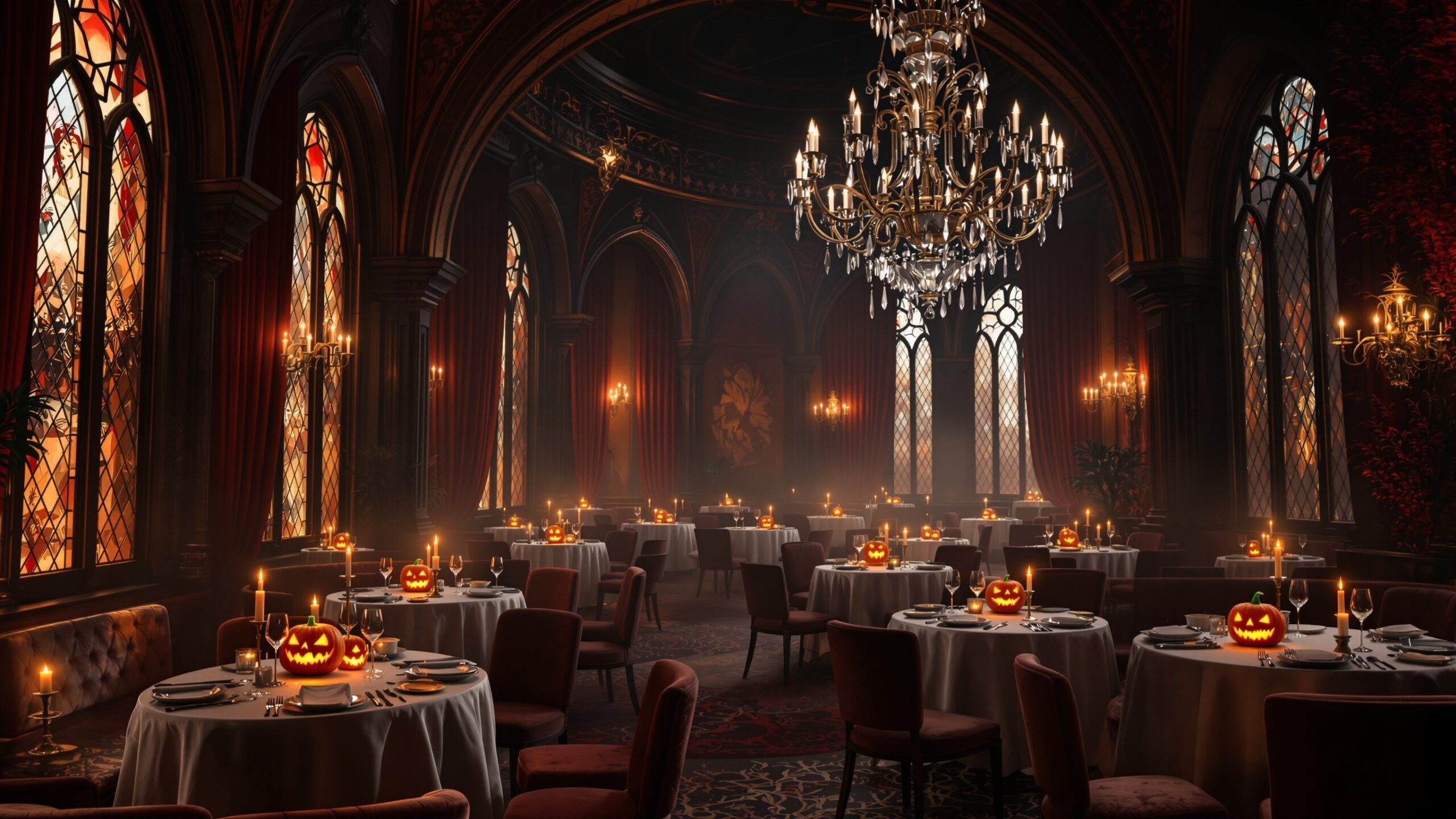
Halloween is no longer just a one-night celebration—it’s a multi-week experience that diners actively seek out. For restaurants, this creates a powerful opportunity: immersive, well-executed Halloween decor can directly influence reservations, social media exposure, and customer loyalty. Today’s diners aren’t just looking for a meal; they’re looking for an experience worth sharing. Restaurants that understand this shift can transform seasonal decor into a strategic revenue driver. When thoughtfully designed, Halloween decor becomes a silent marketer. It sets expectations before guests even sit down, encourages longer stays, and often justifies premium pricing through perceived value. The goal is not to overwhelm guests with cheap scares, but to create a cohesive atmosphere that aligns with your brand while tapping into the emotional excitement of the season.
A: Warm tones like red, orange, and yellow are commonly linked with energy, warmth, and appetite stimulation.
A: Blue can feel clean and stylish, but it is generally less associated with hunger and warmth than food-friendly warm tones.
A: No. Red can be powerful, but it works best when it fits the brand, cuisine, pace, and lighting strategy.
A: Deep neutrals, jewel tones, warm woods, and low-saturation palettes often support a more intimate and upscale atmosphere.
A: Greens, soft neutrals, and natural earth tones often communicate freshness, wellness, and ingredient-driven dining.
A: Yes. Overuse of bright colors can feel chaotic, visually tiring, and less comfortable for guests who want to relax.
A: They can. Brighter energetic palettes may encourage quicker turnover, while softer darker tones can support longer stays.
A: Not exactly. The interior should support the brand identity without making the room feel overly literal or repetitive.
A: Absolutely. Color and lighting are inseparable, and the wrong light temperature can completely alter a palette.
A: A balanced palette that fits the food, target audience, service style, and mood of the space usually performs best.
Designing an Immersive Halloween Atmosphere
The most successful Halloween-themed restaurants treat decor as a narrative rather than a collection of random elements. Instead of scattering pumpkins and cobwebs, build a story that guests can step into. Whether it’s a haunted Victorian dining room, a mysterious forest, or a sleek modern gothic aesthetic, the theme should guide every design decision.
Lighting plays a critical role in this transformation. Soft amber glows, flickering candlelight, and subtle shadows can dramatically change the mood without requiring extensive physical decor. Strategic lighting can make even simple elements feel cinematic, elevating the entire dining experience. Restaurants that invest in layered lighting—combining ambient, accent, and focal lighting—often achieve the most memorable results.
Sound design is another underutilized tool. Subtle background audio, such as distant thunder, eerie wind, or low instrumental tracks, can deepen immersion without distracting from conversation. The key is balance; the atmosphere should feel intentional, not overwhelming.
Creating Instagram-Worthy Moments
In the age of social media, one of the most powerful drivers of reservations is visual shareability. Diners are more likely to choose a restaurant that offers unique photo opportunities, especially during a visually rich season like Halloween. Designing specific “photo moments” within your space can significantly increase organic marketing. These moments might include a dramatic entrance display, a themed backdrop near the bar, or a statement table centerpiece. The most effective setups combine strong visual contrast, clear focal points, and just enough lighting to ensure photos turn out well. Avoid clutter; clean, intentional compositions perform better on platforms like Instagram. Restaurants that embrace this strategy often see a ripple effect. One well-designed photo spot can generate dozens or even hundreds of social media posts, each acting as a personal recommendation to new potential guests. Over time, this creates a perception that your restaurant is the place to be during Halloween season.
Entrance and Exterior Decor That Pulls People In
First impressions matter, and your exterior decor is your first opportunity to capture attention. A compelling entrance can turn passersby into walk-ins and convert online interest into confirmed reservations. Think of your storefront as a preview of the experience inside.
Layered elements work best here. Start with a strong focal point, such as an archway of twisted branches, oversized pumpkins, or a gothic-inspired doorway. Add depth with smaller details like lanterns, subtle fog effects, or textured fabrics. Movement—such as gently swaying decorations or flickering lights—can make the display feel alive and dynamic.
Signage should also be considered carefully. Instead of standard promotional signs, incorporate them into the theme. A chalkboard styled as an “ancient spell menu” or a distressed sign hinting at the evening’s specials can reinforce the immersive experience while still serving a practical purpose.
Tabletop Decor That Enhances, Not Distracts
While large-scale decor creates impact, tabletop design is where guests spend most of their time. The challenge is to enhance the theme without interfering with comfort or functionality. Overly large or obstructive centerpieces can quickly become frustrating.
Opt for low-profile elements that add texture and mood. Dark linens, metallic accents, and subtle seasonal touches like miniature gourds or candle clusters can elevate the table without overwhelming it. Consistency across tables is important, but small variations can make the experience feel more curated and less mass-produced.
Menus and place settings offer another opportunity for thematic integration. Custom menu designs with Halloween-inspired typography, textures, or storytelling elements can reinforce the concept while remaining practical. These details, though subtle, contribute significantly to the overall perception of quality.
Themed Zones That Encourage Exploration
Breaking your space into themed zones can make the experience more dynamic and encourage guests to explore. This approach works particularly well in larger restaurants or venues with multiple rooms or levels. Each zone can represent a different interpretation of Halloween. One area might lean into classic haunted house elements, while another adopts a more elegant, gothic aesthetic. This variety keeps the experience fresh and gives guests a reason to move through the space, increasing engagement and time spent in the restaurant. From a business perspective, themed zones can also support upselling. For example, a premium dining area with a more refined Halloween theme can justify higher-priced menu items, while a livelier, more playful zone near the bar can drive beverage sales.
Incorporating Seasonal Materials and Textures
Authenticity is a key factor in creating memorable decor. Incorporating real or realistic seasonal materials can elevate your design beyond generic decorations. Natural textures such as wood, stone, dried foliage, and fabric can add depth and sophistication.
Pumpkins, for instance, don’t have to feel cliché. When used creatively—painted in matte black, carved with intricate patterns, or arranged in architectural displays—they can become a central design element. Similarly, fabrics like velvet, lace, or distressed linen can add richness and visual interest.
The goal is to create a layered environment that feels thoughtfully designed rather than hastily assembled. Guests notice these details, even if only subconsciously, and they contribute to the overall sense of quality.
Interactive Elements That Engage Guests
Interactive decor can transform a passive dining experience into an active one. When guests can engage with the environment, they are more likely to remember the experience and share it with others. This might include elements like hidden details that guests can discover, subtle illusions, or even small participatory features such as themed table cards with prompts or stories. For restaurants willing to go further, live elements like costumed staff or scheduled mini-performances can add another layer of engagement. The key is to ensure that interactivity enhances rather than disrupts the dining experience. It should feel like an optional layer of fun, not an obligation or distraction.
Aligning Decor With Menu and Branding
The most successful Halloween concepts are those where decor, menu, and branding work together seamlessly. A disconnect between these elements can break immersion and reduce the overall impact.
Consider how your decor can complement your menu offerings. Dark, moody aesthetics pair well with rich, indulgent dishes, while a playful Halloween theme might align better with creative cocktails and shareable plates. Even small touches, such as themed dish names or presentation styles, can reinforce the concept.
Brand alignment is equally important. A fine dining restaurant might opt for a sophisticated, gothic approach, while a casual venue might embrace a more whimsical or family-friendly theme. Staying true to your brand ensures that the decor feels authentic rather than forced.
Timing Your Decor for Maximum Impact
Timing can significantly influence the effectiveness of your Halloween decor. Starting too early may dilute excitement, while starting too late can mean missed opportunities. The ideal window typically begins in early October, building anticipation as the holiday approaches.
Gradual rollouts can be particularly effective. Introducing decor in phases—starting with subtle elements and building to a full transformation—can create a sense of progression that keeps guests engaged over multiple visits. This strategy also provides multiple opportunities for social media content and promotions.
Extending the theme slightly beyond Halloween can also capture late-season demand, especially if the decor leans toward a broader autumn or gothic aesthetic.
Leveraging Lighting as a Profit Multiplier
Lighting is one of the most cost-effective ways to elevate decor while directly influencing guest behavior. Warm, flattering lighting can make food look more appealing, encourage longer stays, and enhance the overall atmosphere. Dynamic lighting, such as subtle color changes or flickering effects, can add movement and interest without requiring additional physical decor. Restaurants that invest in programmable lighting systems gain flexibility, allowing them to adjust the mood throughout the evening or across different zones. Importantly, lighting also impacts photography. Ensuring that key areas are well-lit for photos can significantly increase social media sharing, amplifying your marketing reach.
Creating a Sense of Exclusivity
Scarcity and exclusivity are powerful psychological drivers. Limited-time Halloween decor can create urgency, encouraging guests to book before the experience disappears. This can be reinforced through messaging, reservation systems, and promotional campaigns.
Consider offering special themed nights, exclusive menu items, or limited seating experiences tied to the decor. These elements can make the experience feel more premium and increase perceived value. Reservations often spike when guests feel they might miss out. By positioning your Halloween decor as a must-see, limited-time experience, you can drive higher booking rates and maximize revenue during the season.
Staff Integration and Experience Consistency
Your staff plays a crucial role in bringing the decor to life. Even the most beautifully designed space can fall flat if the service experience doesn’t match the theme. Subtle costume elements, themed greetings, or small touches in presentation can reinforce the atmosphere without compromising professionalism. Training staff to understand and embrace the concept ensures consistency across every guest interaction. When decor and service align, the result is a seamless experience that feels intentional and memorable. This level of cohesion is often what separates good restaurants from truly exceptional ones during seasonal events.
Measuring the Impact of Halloween Decor
To fully leverage Halloween decor as a business strategy, it’s important to measure its impact. Tracking reservation trends, average spend, and social media engagement can provide valuable insights into what works and what doesn’t.
Comparing performance during the Halloween period to previous months or years can help quantify the return on investment. Guest feedback, both in-person and online, can also highlight which elements resonated most strongly.
Over time, these insights can inform future seasonal strategies, allowing you to refine your approach and achieve even greater results.
Turning Atmosphere Into Opportunity
Halloween offers a unique opportunity for restaurants to transform their spaces, captivate guests, and drive meaningful business growth. When approached strategically, decor becomes more than just a visual enhancement—it becomes a powerful tool for storytelling, marketing, and revenue generation. By focusing on immersion, shareability, and alignment with your brand, you can create an experience that not only attracts guests but keeps them coming back. In a competitive dining landscape, those who invest in thoughtful, high-quality Halloween decor will stand out—and ultimately, secure more reservations.