In today’s hyper-competitive dining landscape, great food alone is no longer enough to guarantee success. Diners are no longer just choosing meals—they’re choosing experiences, identities, and emotional connections. This is where restaurant branding becomes essential. From the moment a customer sees your logo to the second they walk through your doors, every visual and sensory detail contributes to a lasting impression. Restaurant branding is the strategic process of shaping how your business is perceived. It encompasses your logo, color palette, typography, interior design, tone of voice, and even the subtle cues like lighting and music. When done well, branding creates recognition, builds trust, and fosters loyalty. When done poorly, it can confuse customers or fail to communicate what makes your restaurant special. This guide explores the foundational elements of restaurant branding—logo, colors, fonts, and atmosphere—and explains how to bring them together into a cohesive identity that resonates with your audience.
A: It is the complete identity of a restaurant, including its logo, colors, fonts, voice, atmosphere, and customer experience.
A: It creates recognition and helps communicate the concept quickly across signage, menus, packaging, and digital platforms.
A: Usually two to four core colors create a strong, manageable system without overwhelming the identity.
A: Yes, because typography affects readability and instantly signals whether the brand feels elegant, casual, playful, modern, or traditional.
A: Atmosphere turns the visual brand into a physical experience through lighting, music, materials, layout, and overall mood.
A: Absolutely; the visuals and environment should support the cuisine, pricing, and service expectations.
A: Yes, consistency, clarity, and good design decisions often matter more than expensive materials or large-scale decor.
A: Sending mixed signals through mismatched visuals, unclear positioning, or an atmosphere that does not fit the concept.
A: Yes, packaging should feel like an extension of the dining experience and reinforce the same identity.
A: When the current identity feels outdated, inconsistent, forgettable, or no longer reflects the audience and dining experience.
Defining Your Brand Identity Before Design Begins
Before diving into visuals, it’s critical to define the core of your brand. This foundational step ensures that every design decision aligns with your restaurant’s purpose and personality. Think of your brand identity as the story you want to tell and the feeling you want customers to experience.
Start by clarifying your concept. Are you a cozy neighborhood bistro, a high-end fine dining destination, or a fast-casual spot focused on convenience? Each concept carries its own expectations and emotional tone. Next, consider your target audience. A restaurant catering to young professionals will look and feel very different from one designed for families or luxury travelers.
Your brand voice also plays a role. Is your tone playful and energetic, or refined and sophisticated? These qualities should influence everything from menu descriptions to signage. Once your identity is clear, you can begin translating it into visual elements that communicate your message instantly.
Crafting a Memorable Restaurant Logo
Your logo is often the first visual interaction customers have with your brand. It acts as a symbol of your restaurant’s identity and should be both memorable and versatile. A strong restaurant logo doesn’t just look good—it tells a story and sets expectations.
Simplicity is key. Overly complex logos can be difficult to recognize or reproduce across different mediums. A clean, well-balanced design ensures your logo works on everything from signage and menus to social media and packaging. Consider scalability as well; your logo should remain clear and impactful whether it’s displayed on a large storefront sign or a small delivery sticker.
The style of your logo should align with your brand personality. A modern café might use sleek lines and minimalist typography, while a rustic farm-to-table restaurant could incorporate hand-drawn elements or organic shapes. Symbols can be effective when used thoughtfully, but they should feel authentic rather than generic. Avoid clichés unless you can reinterpret them in a unique way.
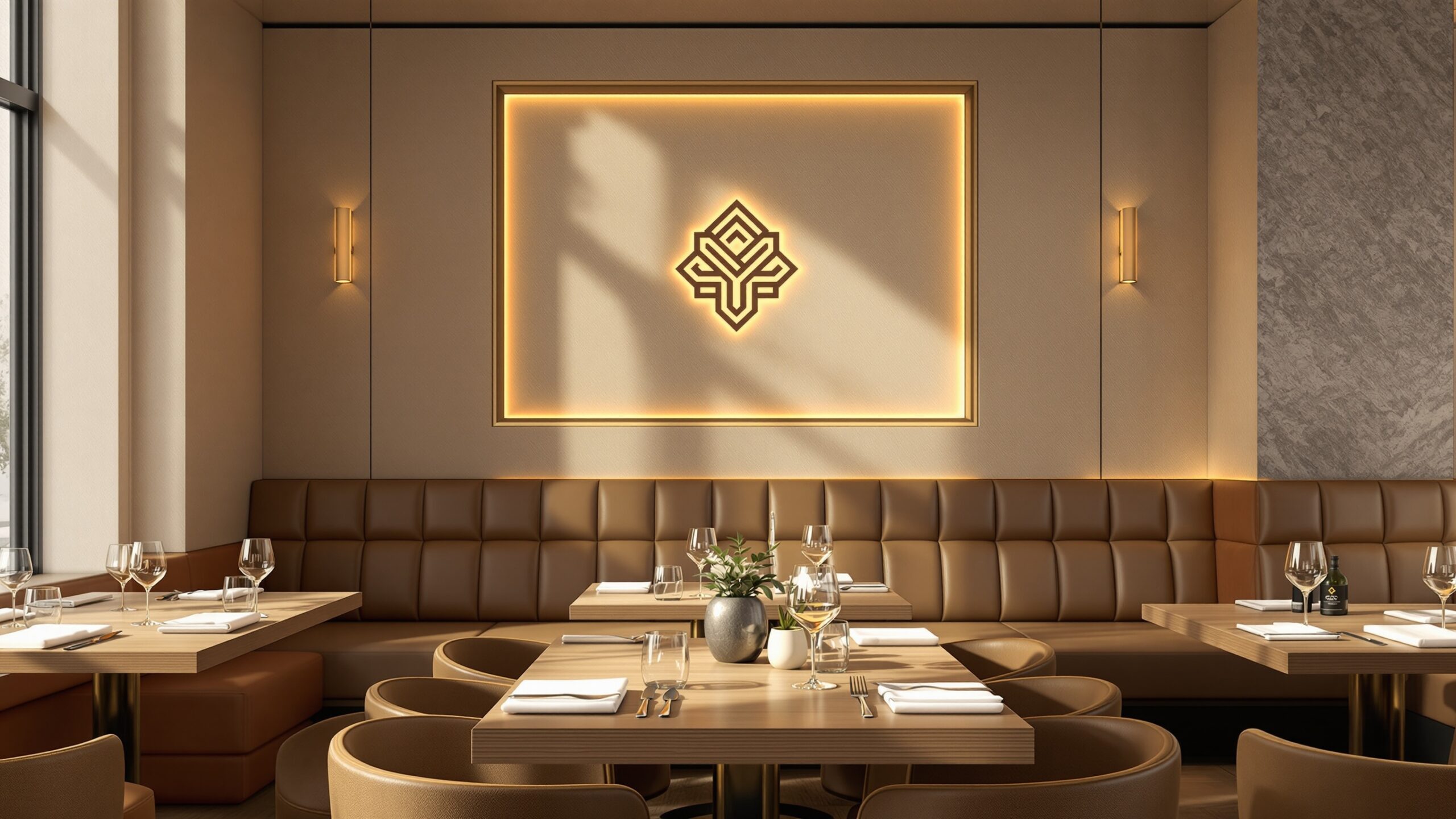
Color and typography choices within the logo also matter. They should harmonize with your broader brand palette and font system. Ultimately, your logo should serve as a visual anchor—something customers can instantly recognize and associate with your restaurant’s experience.
The Psychology of Color in Restaurant Branding
Color is one of the most powerful tools in branding because it influences perception and emotion almost instantly. In a restaurant setting, color choices can even affect appetite, mood, and how long customers choose to stay.
Warm colors like red, orange, and yellow are often associated with energy and appetite stimulation. This is why many fast-casual and quick-service restaurants incorporate these tones. Red can create a sense of urgency and excitement, while orange feels friendly and inviting. Yellow, when used carefully, can convey warmth and optimism.
Cool colors like blue and green tend to evoke calmness and trust. Green is especially popular for restaurants emphasizing freshness, sustainability, or plant-based menus. Blue is less common in food branding because it can suppress appetite, but it can work well in seafood or upscale concepts when paired with complementary tones.
Neutral colors such as black, white, and gray provide balance and sophistication. Black can suggest luxury and elegance, while white communicates cleanliness and simplicity. Earth tones like brown and beige often signal comfort and authenticity, making them ideal for casual dining or artisanal concepts.
The key is not just choosing appealing colors but creating a cohesive palette. Your primary colors should define your brand, while secondary and accent colors add depth and flexibility. Consistency across all touchpoints—from menus to interiors—reinforces recognition and strengthens your identity.
Choosing the Right Fonts for Your Restaurant
Typography is often overlooked, yet it plays a crucial role in shaping how your brand is perceived. The fonts you choose communicate tone, readability, and professionalism, all while reinforcing your visual identity.
Serif fonts, which feature small decorative strokes, tend to feel traditional, elegant, and refined. They are often used in fine dining or classic restaurant concepts. Sans-serif fonts, on the other hand, are clean and modern, making them popular for contemporary and casual brands.
Script fonts can add personality and charm, especially for boutique or artisanal restaurants, but they should be used sparingly to maintain readability. Display fonts, which are more stylized and expressive, can work well for headlines or logos but are not ideal for body text.
Hierarchy is essential when working with typography. Your menu, website, and signage should clearly guide the reader’s eye through different levels of information. This is achieved by varying font sizes, weights, and spacing. Consistency is equally important; limiting your brand to two or three complementary fonts ensures a polished and cohesive look.
Legibility should never be sacrificed for style. No matter how beautiful a font may be, it must be easy to read in various lighting conditions and formats. This is especially important for menus, where clarity directly impacts the customer experience.
Designing an Atmosphere That Reflects Your Brand
While logos, colors, and fonts establish your visual identity, your restaurant’s atmosphere brings that identity to life. The physical environment is where customers fully experience your brand, making it one of the most critical components of your overall strategy.
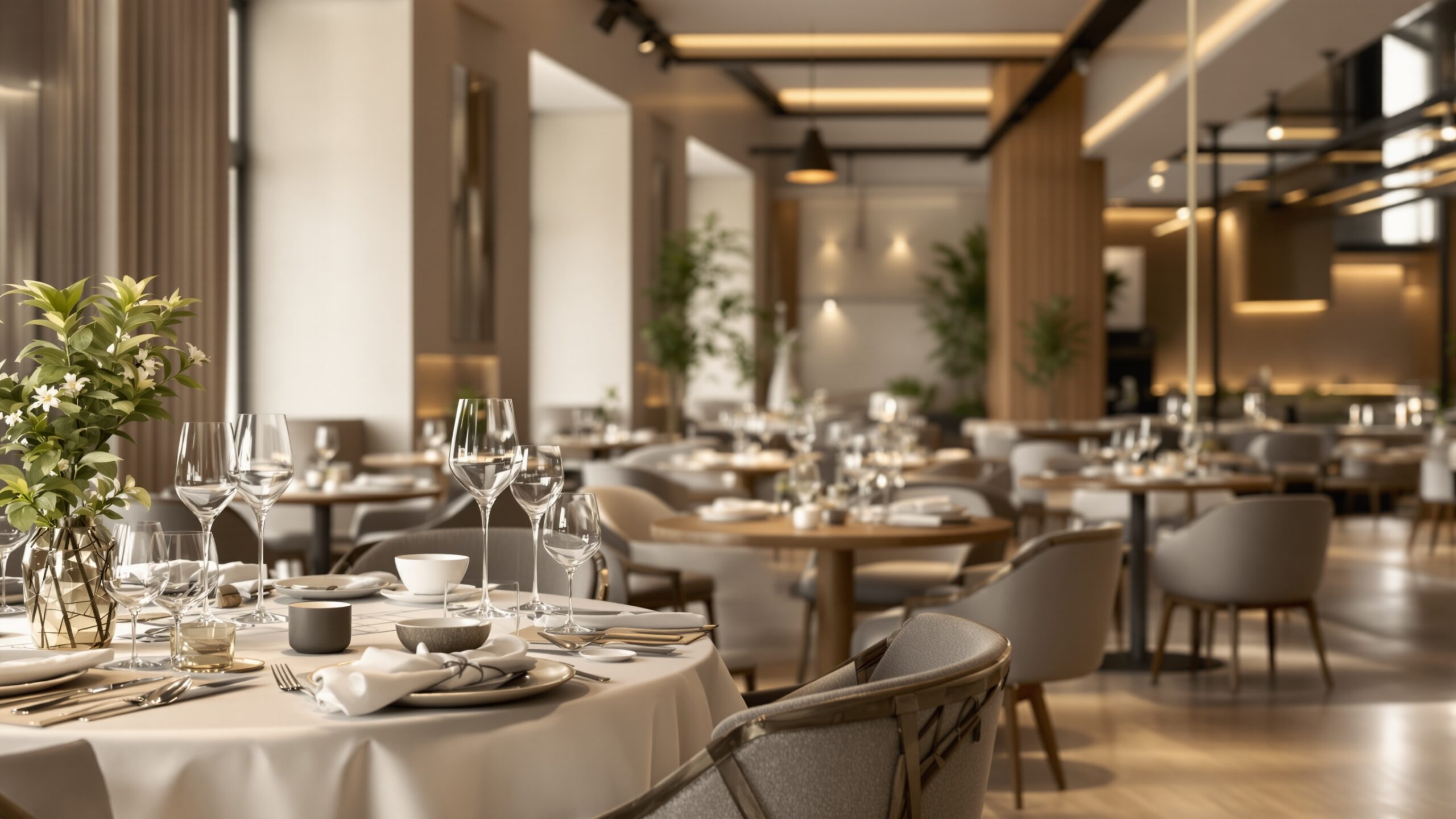
Atmosphere encompasses everything from interior design and lighting to music and scent. Each element should align with your brand’s personality and reinforce the experience you want to create. A modern, upscale restaurant might feature sleek materials, dim lighting, and curated playlists, while a casual eatery could embrace bright colors, open spaces, and lively music.
Layout also plays a role in shaping perception. Spacious seating arrangements can create a sense of luxury, while closer seating can encourage a more social and energetic environment. The flow of the space should feel intuitive, guiding customers seamlessly from entrance to table.
Lighting is particularly influential. Warm, soft lighting can create intimacy and comfort, while bright lighting feels more energetic and practical. The choice of materials—wood, metal, stone, or fabric—adds texture and depth, further enhancing the atmosphere.
Even small details matter. The design of your menus, the presentation of your dishes, and the uniforms of your staff all contribute to the overall experience. When these elements are aligned, they create a cohesive and immersive environment that leaves a lasting impression.
Creating Consistency Across All Touchpoints
A strong restaurant brand is consistent across every interaction customers have with your business. This includes both physical and digital touchpoints, from your website and social media to your packaging and signage.
Consistency builds recognition and trust. When customers encounter the same visual language and tone across different platforms, it reinforces your identity and makes your brand more memorable. Inconsistency, on the other hand, can create confusion and weaken your message.
Your website should reflect the same colors, fonts, and imagery as your physical space. Social media content should align with your brand voice and visual style. Even your takeout packaging should feel like an extension of your restaurant’s identity.
Staff training is another often-overlooked aspect of branding. The way your team interacts with customers should reflect your brand values. A high-end restaurant might emphasize formal and attentive service, while a casual spot might prioritize friendliness and approachability.
By ensuring consistency across all touchpoints, you create a seamless experience that strengthens your brand and fosters customer loyalty.
Balancing Trends with Timeless Design
The restaurant industry is constantly evolving, and it can be tempting to follow the latest design trends. While trends can provide inspiration, relying too heavily on them can make your brand feel outdated as styles change.
Timeless design focuses on clarity, simplicity, and authenticity. It prioritizes elements that will remain relevant over time, ensuring your brand has longevity. This doesn’t mean avoiding trends altogether, but rather incorporating them thoughtfully and in moderation.
For example, minimalist design has been popular for years because of its clean and adaptable nature. Similarly, natural materials and earthy color palettes have enduring appeal. By grounding your brand in timeless principles, you create a foundation that can evolve without losing its identity.
The Role of Storytelling in Restaurant Branding
At its core, branding is about storytelling. Every element of your restaurant’s identity should contribute to a narrative that resonates with your audience. This story might be rooted in your culinary inspiration, your cultural heritage, or your commitment to sustainability.
Storytelling adds depth and meaning to your brand. It transforms your restaurant from a place that serves food into a destination with a purpose. Customers are more likely to connect with and remember brands that have a clear and compelling story.
Your story should be reflected in your visuals, your messaging, and your customer experience. It should feel authentic and consistent, reinforcing your brand at every touchpoint.
Bringing It All Together
Restaurant branding is not about isolated elements—it’s about how those elements work together to create a cohesive and memorable experience. Your logo, colors, fonts, and atmosphere should all align with your brand identity and reinforce your story.
When these components are thoughtfully designed and consistently applied, they create a powerful impression that goes beyond the food itself. They shape how customers perceive your restaurant, influence their decisions, and ultimately determine whether they return.
In a world where diners have countless options, a strong brand can be the difference between being overlooked and becoming a destination. By investing in your branding and paying attention to every detail, you can create an experience that stands out, resonates, and endures.