Walk into any memorable restaurant, and you’ll likely remember more than just the food. You’ll remember how it felt. That emotional layer—often subtle but incredibly powerful—is shaped in large part by music. The right soundtrack doesn’t just fill silence; it defines the rhythm of the room, influences customer behavior, and can even impact how long guests stay and how much they spend. Music is one of the most cost-effective tools a restaurant can use to shape its identity. Whether you’re crafting an upscale fine dining experience or a lively neighborhood bar, the audio environment sets expectations before the first bite even hits the table. Tempo, genre, volume, and familiarity all play roles in how customers perceive your brand and interact with your space. This guide explores the best music choices for different restaurant concepts—from elegant fine dining establishments to cozy cafés and high-energy bars—so you can create a soundtrack that elevates every aspect of your guest experience.
A: Refined, low-volume music such as jazz, piano, modern classical, or elegant lounge usually fits best.
A: Warm, inviting genres like acoustic, indie, light jazz, lo-fi, and mellow soul often work very well.
A: Usually no; it should support the atmosphere without making guests strain to talk.
A: It can; slower, calmer music often encourages a more relaxed pace and longer-feeling visits.
A: It can, but most concepts benefit from changing the energy by daypart.
A: Not always, but instrumental tracks are often easier to keep in the background.
A: Playing music that clashes with the concept, volume needs, or guest expectations.
A: Not necessarily; lounges often need smoother sophistication, while bars can handle more energy.
A: Regularly enough to stay fresh, but not so often that the brand identity disappears.
A: Curation; even the right genre can fail if the sequencing, tempo, and overall mood are off.
Fine Dining: Sophisticated Soundscapes That Elevate the Experience
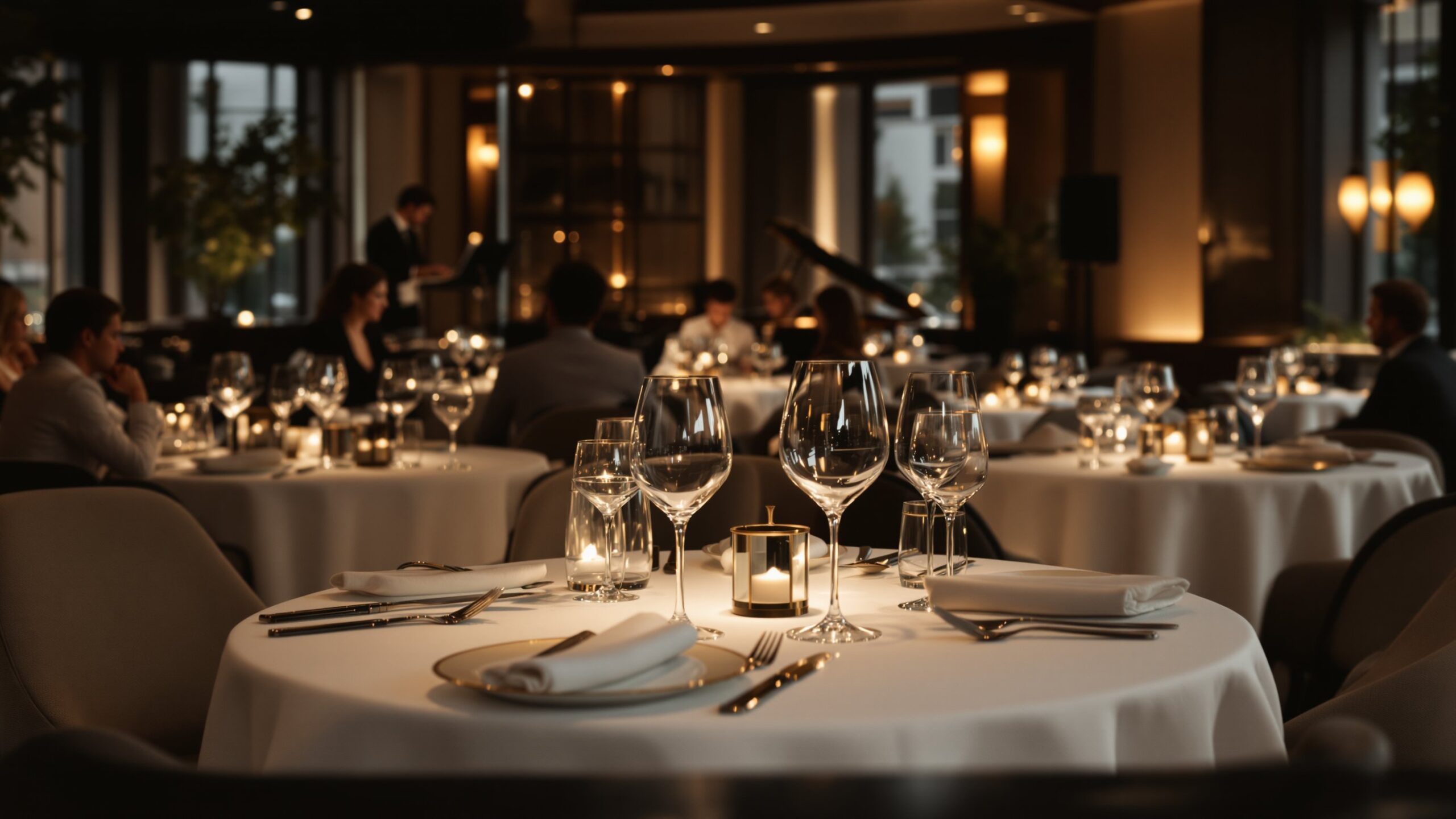
Fine dining is all about refinement, attention to detail, and creating an atmosphere of exclusivity. Music in this setting should enhance the experience without ever becoming the focus. It should feel seamless—almost invisible—while subtly guiding the emotional tone of the evening.
Classical music remains a timeless choice for fine dining, particularly instrumental compositions that evoke elegance and calm. Think string quartets, piano sonatas, or orchestral pieces played at a low volume. Jazz—especially smooth or instrumental jazz—can also be highly effective, adding warmth and sophistication without overpowering conversation.
Tempo is critical in fine dining environments. Slower music encourages guests to linger, relax, and savor each course. Studies have shown that slower tempos can even lead to higher spending, as diners take their time ordering additional items like desserts or wine.
Volume should remain low enough to allow effortless conversation. Guests in fine dining settings expect intimacy and comfort, not distraction. The music should feel like part of the architecture—present, but never intrusive.
Ultimately, fine dining music should communicate one thing above all: this is a place where time slows down, and every detail matters.
Cafés: Cozy, Inviting, and Creatively Energizing
Cafés thrive on comfort, familiarity, and a sense of creative energy. Unlike fine dining, where music fades into the background, café music often becomes part of the identity itself. It shapes how long people stay, whether they work or socialize, and how often they return.
Indie, acoustic, folk, and soft pop are popular choices for cafés because they strike a balance between engaging and relaxing. These genres create a welcoming atmosphere without overwhelming customers who may be reading, working, or chatting.
Morning playlists might lean toward lighter, more uplifting sounds—acoustic guitar, mellow pop, or lo-fi beats—while afternoons can transition into slightly more energetic tracks to match the buzz of the space. Evening café environments may adopt a softer, more ambient tone as the day winds down.
Volume plays a unique role in cafés. It should be loud enough to create a sense of energy but not so loud that it disrupts focus. Many successful cafés carefully curate playlists that feel personal and intentional, giving the space a distinct personality that customers associate with comfort and creativity.
The best café music makes people want to stay just a little longer—and come back again tomorrow.
Bars: High Energy, Social Vibes, and Late-Night Momentum
Bars are where music takes center stage. Unlike other restaurant concepts, the soundtrack here is often a primary driver of the experience. It sets the pace of the night, influences crowd behavior, and defines the identity of the venue.
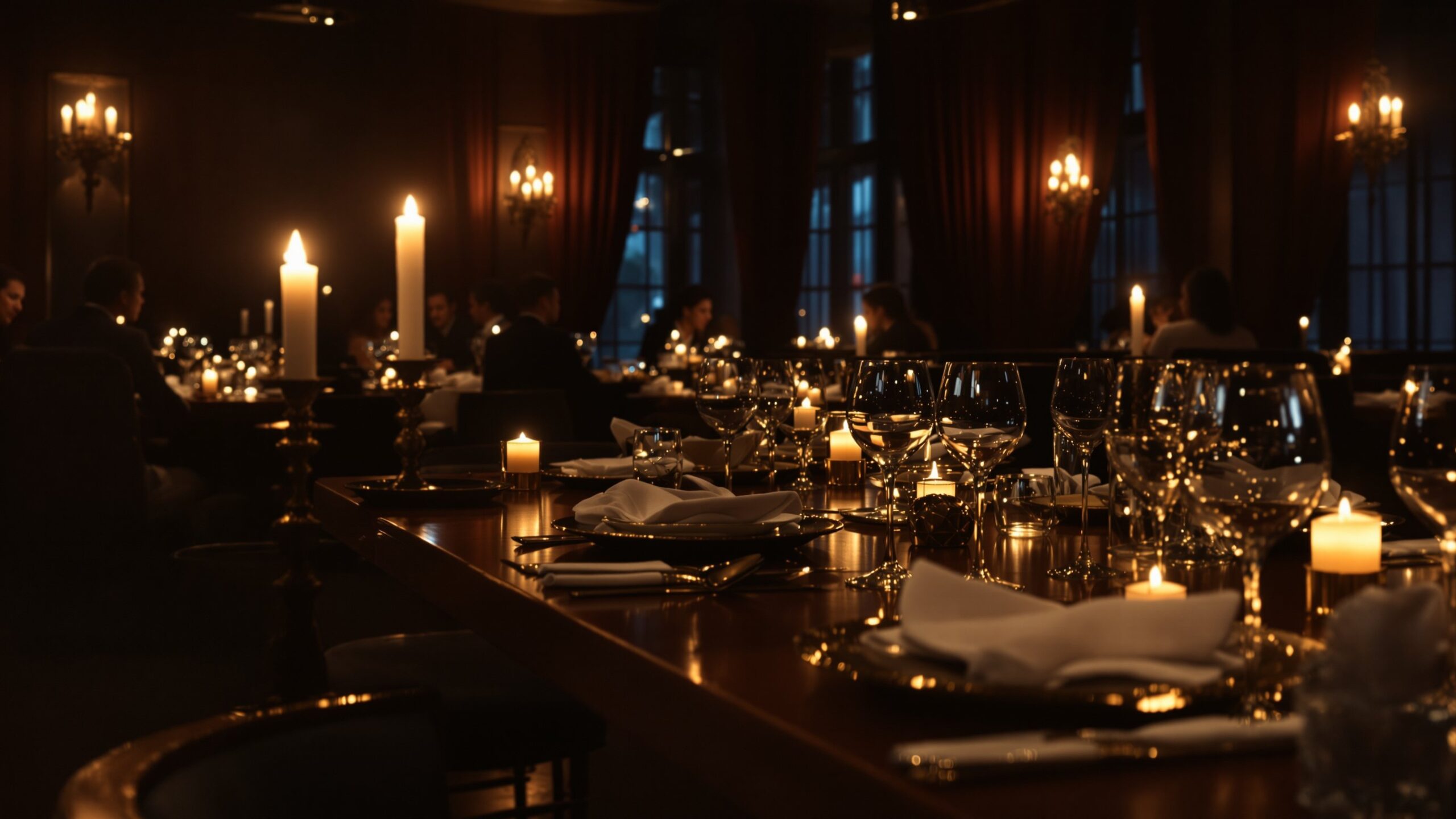
Different types of bars call for different musical approaches. A high-energy nightclub-style bar may lean heavily on electronic dance music, hip-hop, or top 40 hits to keep the energy elevated. A cocktail lounge, on the other hand, might favor curated playlists of chill house, jazz-infused beats, or downtempo electronic music to create a sophisticated yet lively vibe.
Tempo is key in bar settings. Faster music increases energy levels, encourages movement, and can lead to higher drink turnover. As the night progresses, many bars intentionally increase tempo and volume to match the rising energy of the crowd.
Volume in bars is typically higher than in other restaurant types, but it should still be carefully controlled. Too loud, and it becomes uncomfortable; too quiet, and the space may feel flat or lifeless. The goal is to create a dynamic environment where music enhances social interaction rather than stifling it.
Great bar music doesn’t just entertain—it energizes, connects, and keeps the night moving.
Casual Dining: Balanced Playlists for Broad Appeal
Casual dining restaurants sit in the middle ground between fine dining and fast casual. Their music needs to appeal to a wide audience while maintaining a consistent and welcoming atmosphere.
Popular hits, soft rock, contemporary pop, and light R&B are often effective choices because they are familiar and broadly appealing. The key is to avoid extremes—music that is too niche, too loud, or too slow can disrupt the balance.
Tempo should be moderate, encouraging a steady flow of customers without rushing them. Casual dining establishments benefit from a rhythm that supports both relaxed meals and efficient table turnover.
Volume should allow for easy conversation while still contributing to the overall energy of the space. Many successful casual restaurants use carefully curated playlists that reflect their brand identity—whether that’s modern and upbeat or warm and nostalgic.
In casual dining, music acts as a unifier. It brings together diverse customers and creates a consistent, enjoyable experience for everyone.
Fast Casual and Quick Service: Speed, Efficiency, and Energy
Fast casual and quick service restaurants operate on speed and efficiency, and their music should reflect that pace. The goal is to create an environment that feels energetic and upbeat without being chaotic.
Up-tempo pop, light electronic, and modern hits are common choices because they keep the atmosphere lively and encourage quick decision-making. Faster music can subtly influence customers to eat more quickly, helping maintain a steady flow during busy periods.
Unlike fine dining or cafés, where lingering is encouraged, fast casual environments benefit from music that supports movement and turnover. However, it’s important to strike a balance—music should energize without making customers feel rushed or stressed.
Volume should be slightly higher than in traditional dining settings to match the fast-paced environment, but still comfortable enough for brief conversations.
The right music in a quick service setting creates a sense of momentum, keeping both customers and staff in sync.
Thematic and Concept Restaurants: Storytelling Through Sound
For themed or concept-driven restaurants, music becomes a storytelling tool. It reinforces the identity of the space and immerses guests in a cohesive experience.
A Mediterranean restaurant might feature soft instrumental guitar or regional folk music, while a Japanese-inspired space could incorporate ambient or traditional sounds that reflect cultural authenticity. A retro diner might lean into nostalgic hits from a specific era, creating a sense of time travel.
The key is authenticity without cliché. Music should enhance the theme without feeling forced or overly predictable. Blending traditional elements with modern interpretations can create a more dynamic and engaging atmosphere.
In these environments, music is not just background—it’s part of the narrative. It helps transport guests to another place, another time, or another state of mind.
How to Choose the Right Music Strategy for Your Restaurant
Choosing the right music isn’t about picking a playlist and pressing play. It requires intentional design, regular updates, and a deep understanding of your audience.
Start by defining your brand identity. Are you aiming for elegance, energy, comfort, or creativity? Your music should align with that vision. Consider your target audience—their age, preferences, and expectations—and tailor your selections accordingly.
Time of day also plays a crucial role. Morning, lunch, and dinner crowds often respond differently to music, and adjusting your playlists throughout the day can enhance the overall experience. Consistency is key. Random or mismatched playlists can confuse customers and dilute your brand. Instead, curate a cohesive sound that becomes part of your restaurant’s identity.
Finally, pay attention to feedback—both direct and indirect. Customer behavior, dwell time, and spending patterns can all provide valuable insights into how your music choices are performing.
Crafting the Perfect Soundtrack for Success
Music is one of the most powerful—and often underestimated—tools in the restaurant industry. It shapes perception, influences behavior, and creates emotional connections that go far beyond the plate. From the refined elegance of fine dining to the energetic pulse of a late-night bar, each restaurant concept requires a carefully tailored soundtrack. When done right, music doesn’t just complement the experience—it defines it.
The most successful restaurants understand that every detail matters, and music is no exception. By choosing the right genres, tempos, and volumes for your concept, you can create an atmosphere that keeps customers engaged, comfortable, and eager to return.
In the end, great food may bring people in—but the right music helps make the experience unforgettable.