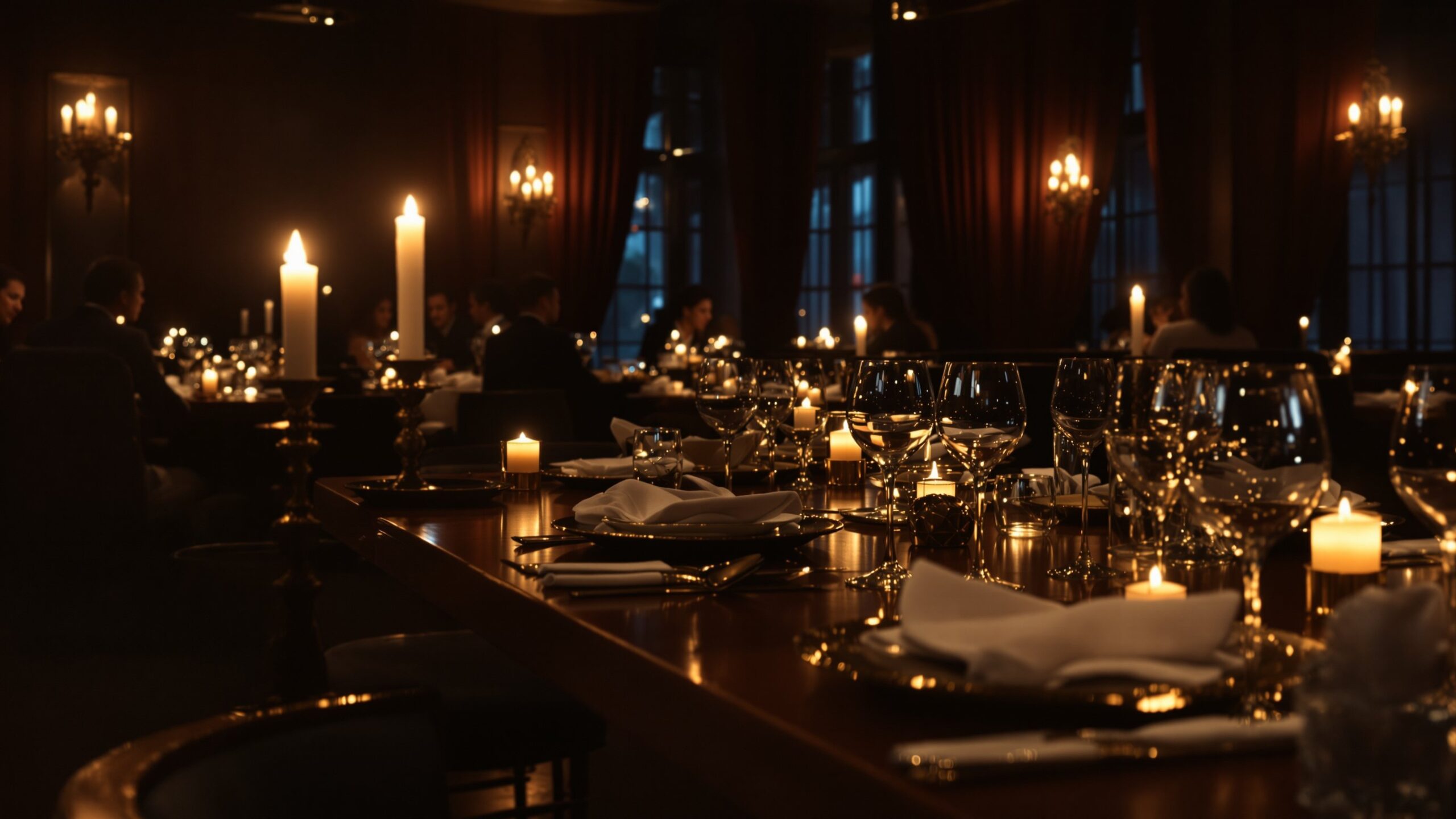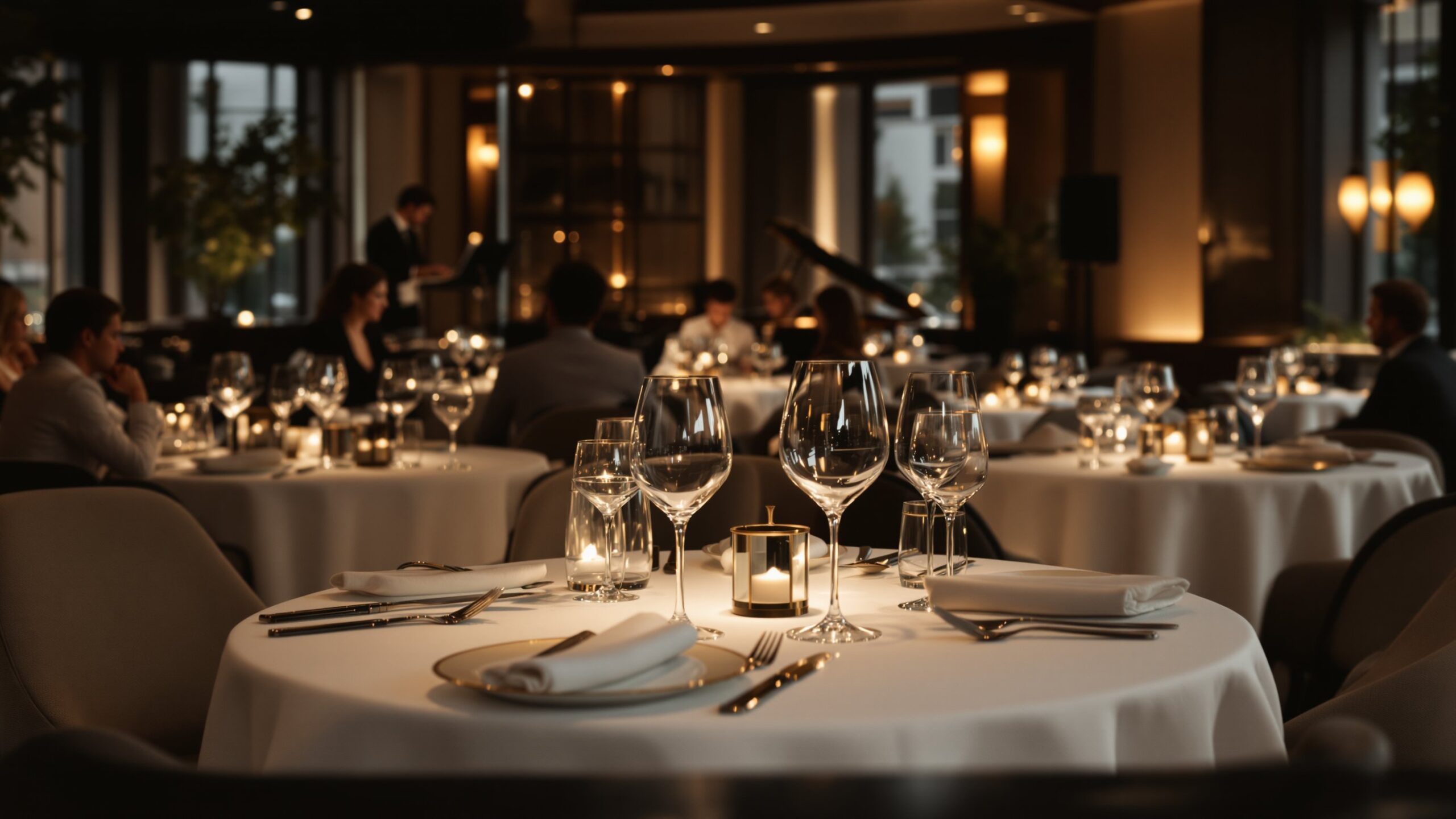
Walk into any restaurant and you’ll notice the lighting, the décor, the aroma of food, and the hum of conversation. But there’s another powerful element shaping your experience—one that often goes unnoticed: music. Carefully chosen or casually overlooked, restaurant music has a profound psychological influence on how customers feel, how long they stay, what they order, and ultimately how much they spend. For restaurant owners and hospitality professionals, music is not just background noise—it is a strategic tool. When used intentionally, it can elevate a dining experience, reinforce brand identity, and significantly boost revenue. For customers, it subtly guides mood, pace, and perception in ways that feel natural rather than engineered. Understanding how music affects customer behavior is essential for anyone looking to create memorable dining environments or optimize business performance in the competitive restaurant industry.
A: Yes, it can influence mood, pace, dwell time, and willingness to order more drinks, desserts, or extra courses.
A: The best choice depends on the concept, audience, cuisine, and desired pace of service.
A: Often yes, especially when it encourages guests to stay longer and order more.
A: Not always, but it can reduce comfort and conversation in many dining environments if overused.
A: Softer, elegant music often supports a premium atmosphere and helps diners focus on the experience.
A: Yes, tempo and energy can subtly influence dining speed and table turnover.
A: Often yes, because it adds atmosphere without competing too strongly with guest conversation.
A: Absolutely—music can make a space feel calm, fun, luxurious, lively, or stressful.
A: Yes, many restaurants benefit from adjusting music for breakfast, lunch, dinner, and late-night service.
A: Treating it like an afterthought instead of part of the overall brand and guest experience.
The Psychology of Sound in Dining Spaces
Music interacts directly with the human brain, influencing emotions, cognition, and even physical behavior. When diners enter a space, their brains begin processing auditory cues almost immediately, setting the tone for the entire experience.
Slow, soft music tends to relax customers, encouraging them to linger. Fast-paced, upbeat tracks increase energy levels and can lead to quicker decision-making and faster eating. Volume also plays a crucial role—quiet music fosters intimacy and conversation, while louder music energizes spaces and can increase turnover.
These psychological effects are not accidental. They are rooted in how humans respond to rhythm, tempo, and familiarity. Restaurants that understand this can shape not only how customers feel but also how they behave.
Tempo and Its Impact on Dining Pace
Tempo is one of the most influential aspects of restaurant music. It directly affects how quickly customers eat and how long they stay. When slow-tempo music is played, diners tend to eat more slowly and spend more time at the table. This often leads to additional orders, such as desserts or drinks, increasing the overall bill. Fine dining establishments frequently use slower music to create a relaxed, luxurious atmosphere that encourages extended stays.
In contrast, fast-tempo music increases the pace of dining. Customers eat more quickly, make faster decisions, and are more likely to leave sooner. This is ideal for high-turnover environments such as fast-casual restaurants or busy cafés, where maximizing table availability is key. The tempo of music essentially acts as a metronome for customer behavior, subtly guiding the rhythm of the dining experience.
Volume: The Balance Between Energy and Comfort
Volume is another critical factor that influences customer perception and behavior. The difference between a comfortable and overwhelming environment often comes down to how loud the music is.
Low-volume music creates a calm and intimate atmosphere. It encourages conversation, making it ideal for date nights, family dinners, and upscale dining experiences. Customers in quieter environments often perceive the restaurant as more refined and are more likely to spend time—and money—there.
Higher volume levels, on the other hand, create energy and excitement. This can be beneficial in bars, casual eateries, and social dining spaces where a lively atmosphere is part of the appeal. However, excessively loud music can have negative effects, causing discomfort and shortening customer visits.
The key is alignment. Volume should match the restaurant’s concept, target audience, and desired customer behavior.
Genre and Brand Identity
Music genre plays a powerful role in shaping how customers perceive a restaurant. It communicates brand identity just as clearly as menu design or interior décor.
Classical music often signals sophistication and elegance. Studies have shown that when classical music is played, customers are more likely to order higher-priced items, including premium wines and upscale dishes. The music creates an environment that feels refined, encouraging more luxurious choices.
Jazz and acoustic genres evoke warmth and intimacy, making them ideal for cozy, relaxed dining experiences. Pop and contemporary music appeal to younger audiences and create a modern, energetic vibe. Cultural or regional music can reinforce authenticity, especially in restaurants serving specific cuisines.
The genre chosen should reflect the restaurant’s identity and reinforce the story it wants to tell. When music aligns with brand positioning, it enhances credibility and customer satisfaction.
Music and Spending Behavior
One of the most fascinating aspects of restaurant music is its direct impact on spending. Research consistently shows that music influences how much customers are willing to pay and what they choose to order.
Slower music encourages longer stays, which often leads to higher bills. Customers may order additional courses, drinks, or desserts simply because they feel comfortable and unhurried. In contrast, faster music can lead to quicker turnover but may reduce the likelihood of add-on purchases.
Music also affects perceived value. When the ambiance feels upscale—through carefully curated playlists—customers are more willing to spend more. The environment shapes expectations, and those expectations influence purchasing decisions.
Even subtle changes, such as switching from pop to instrumental music, can alter spending patterns. The psychological cues embedded in music create an environment where customers make decisions that feel natural but are actually influenced by sound.
Cultural and Emotional Connections
Music has the power to evoke memories and emotions, which can significantly impact the dining experience. Familiar songs can create a sense of comfort and nostalgia, making customers feel more connected to the space.
This emotional connection often translates into positive associations with the restaurant. Customers who feel emotionally engaged are more likely to return, recommend the establishment, and spend more during their visit.
Cultural relevance is equally important. Playing music that aligns with the cuisine or theme of the restaurant enhances authenticity and immersion. For example, traditional Italian music in an Italian restaurant or Latin rhythms in a Mexican eatery can deepen the overall experience.
When customers feel that every element of the environment is thoughtfully curated, including music, it elevates the perception of quality and attention to detail.
The Role of Music in Customer Flow and Turnover
Restaurant owners must carefully balance ambiance with operational efficiency. Music can be used strategically to manage customer flow and optimize table turnover.
During peak hours, slightly increasing tempo and volume can encourage faster dining without making customers feel rushed. This helps accommodate more guests and maximize revenue during busy periods.
During slower periods, softer and slower music can encourage customers to stay longer, creating a more relaxed environment that may lead to additional spending.
This dynamic approach allows restaurants to adapt to different times of day, aligning music with business goals while maintaining a consistent brand experience.
Music as a Tool for Staff Performance
While much of the focus is on customers, music also affects staff performance. The right playlist can boost employee morale, increase energy levels, and improve efficiency. Upbeat music can make repetitive tasks feel more engaging, while calm music can reduce stress during quieter shifts. However, it is important to balance staff preferences with customer expectations.
A well-designed music strategy considers both groups, creating an environment where employees feel motivated and customers feel comfortable. When staff are energized and engaged, it often translates into better service, which further enhances the overall dining experience.
The Science Behind Multisensory Dining
Dining is a multisensory experience, and music plays a key role in how other senses are perceived. Research shows that sound can influence taste perception, altering how food and beverages are experienced. For example, certain types of music can enhance sweetness or reduce bitterness in perceived flavor. This means that the right soundtrack can subtly improve how dishes are experienced, adding another layer of value to the meal. This concept, often referred to as “sonic seasoning,” highlights the interconnected nature of sensory perception. Restaurants that understand this can create more immersive and memorable dining experiences.
Strategic Playlist Design
Creating the right playlist is both an art and a science. It requires an understanding of the restaurant’s concept, target audience, and operational goals.
A well-designed playlist evolves throughout the day. Morning service may feature light, uplifting music that gently energizes customers. Lunch hours might incorporate slightly faster tempos to accommodate busy schedules. Evening dining often shifts to slower, more atmospheric tracks that encourage relaxation and indulgence.
Consistency is crucial. Random or mismatched music can disrupt the dining experience and weaken brand identity. Instead, playlists should feel intentional and cohesive, reinforcing the restaurant’s overall theme. Technology has made it easier than ever to curate and manage playlists. Many restaurants use streaming services or specialized music platforms designed for commercial environments, allowing for precise control over mood and timing.
Common Mistakes Restaurants Make with Music
Despite its importance, music is often overlooked or poorly managed in restaurant settings. One common mistake is treating it as an afterthought, resulting in inconsistent or inappropriate selections.
Another issue is failing to align music with brand identity. A mismatch between music and concept can create confusion and diminish the overall experience. For example, playing high-energy dance music in a fine dining restaurant can feel jarring and out of place.
Volume mismanagement is also a frequent problem. Music that is too loud or too quiet can negatively impact customer satisfaction and behavior.
Finally, neglecting to update playlists can lead to repetition, which may annoy both customers and staff. Regularly refreshing music selections helps maintain a dynamic and engaging environment.
Case Studies: Music in Action
Many successful restaurants use music strategically to enhance customer experience and drive revenue. Upscale establishments often rely on curated playlists featuring classical or instrumental music to create an elegant atmosphere. Casual dining chains may use popular music to create familiarity and appeal to a broad audience.
Fast-food restaurants frequently use faster tempos to encourage quick turnover, while cafés often strike a balance between energy and relaxation to accommodate both socializing and productivity. These examples demonstrate that there is no one-size-fits-all approach. The effectiveness of music depends on how well it aligns with the restaurant’s goals and customer expectations.
The Future of Music in Restaurants
As technology continues to evolve, the role of music in restaurants is becoming more sophisticated. Advanced systems can now adjust playlists based on time of day, customer demographics, and even real-time data such as occupancy levels. Artificial intelligence is also playing a role in music curation, helping restaurants create highly personalized and adaptive soundscapes. This allows for greater precision in influencing customer behavior and optimizing business outcomes. In the future, music may become even more integrated with other elements of the dining experience, such as lighting and digital interfaces, creating fully immersive environments that respond dynamically to customer needs.
Turning Sound Into Strategy
Restaurant music is far more than a background element—it is a powerful driver of customer behavior and spending. From influencing mood and pace to shaping perception and purchase decisions, music plays a central role in the dining experience.
For restaurant owners, the opportunity lies in treating music as a strategic asset rather than an afterthought. By carefully selecting tempo, volume, and genre, and aligning these elements with brand identity and operational goals, it is possible to create environments that delight customers and drive revenue.
For diners, the experience may feel effortless and natural. But behind the scenes, every note and rhythm is part of a carefully orchestrated strategy designed to enhance enjoyment and subtly guide behavior. In the world of hospitality, where every detail matters, music stands out as one of the most powerful—and often underestimated—tools for success.