A restaurant is never just about food. It is about perception, emotion, and memory. Long before a guest takes their first bite, they are already forming opinions based on what they see, feel, and expect. A powerful restaurant brand identity is what shapes those expectations and transforms a simple meal into a meaningful experience. In today’s competitive dining landscape, where countless options are only a tap away, branding is no longer optional. It is the foundation that determines whether a restaurant becomes a forgettable stop or a beloved destination. A strong brand identity tells a clear story, builds trust, and creates a lasting impression that keeps customers coming back. Creating that identity from scratch may feel overwhelming, but when approached strategically, it becomes an exciting creative journey. It is the process of defining who you are, what you stand for, and how you want the world to experience your restaurant.
A: It is the full personality of a restaurant, including its visuals, voice, atmosphere, promise, and customer perception.
A: Start with your concept, target audience, competitive position, and the experience you want guests to remember.
A: No. A logo supports the brand, but the brand also includes service, décor, menu design, tone, and guest experience.
A: Focus on a clear point of difference, a memorable story, and consistent execution across every touchpoint.
A: Yes. The menu should visually and verbally reinforce the same mood and positioning as the rest of the restaurant.
A: Absolutely. Independent restaurants often build powerful brands by being distinctive, personal, and deeply consistent.
A: Very important. It often shapes first impressions and should reflect the same identity guests experience in person.
A: You can still refine it by clarifying your message, updating visuals, and aligning the guest experience more intentionally.
A: Refresh only when needed, keeping core recognition intact while improving weak or outdated elements.
A: Clarity, consistency, emotional resonance, and an experience strong enough that guests want to return and recommend it.
Defining Your Core Concept and Vision
Every powerful restaurant brand begins with clarity. Before choosing colors, logos, or menus, you need to define your core concept. This is the heartbeat of your restaurant and the guiding force behind every decision you make.
Start by asking what kind of experience you want to create. Are you building a cozy neighborhood café, a bold modern fusion concept, or a refined fine dining destination? Your concept should go beyond cuisine and pricing. It should capture the atmosphere, the tone, and the emotional experience you want guests to feel.
Your vision should also include your long-term goals. Consider how you want your brand to evolve. Are you aiming to expand into multiple locations, launch a product line, or become a cultural landmark in your city? Thinking ahead ensures that your brand identity has the flexibility to grow without losing its essence.
A clearly defined concept and vision create alignment. They ensure that every element of your brand, from menu design to staff interactions, feels cohesive and intentional.
Understanding Your Target Audience
A powerful brand identity is not built in isolation. It is shaped by the people you want to attract. Understanding your target audience allows you to design an experience that resonates deeply and authentically.
Think about who your ideal customers are. Consider their age, lifestyle, preferences, and dining habits. Are they young professionals seeking trendy experiences, families looking for comfort and reliability, or food enthusiasts searching for culinary innovation?
Beyond demographics, explore psychographics. What motivates them? What kind of atmosphere makes them feel comfortable or excited? What values do they care about, such as sustainability, authenticity, or luxury? When you truly understand your audience, you can craft a brand identity that speaks directly to them. Your messaging becomes more compelling, your design choices more intentional, and your overall experience more memorable.
Crafting a Unique Brand Story
A strong restaurant brand is built on storytelling. Your brand story is what gives your restaurant depth and personality. It is what transforms your concept into something meaningful and relatable.
Your story might be rooted in heritage, inspiration, or passion. It could reflect a family tradition, a cultural journey, or a desire to redefine a particular cuisine. Whatever the source, it should feel authentic and compelling.
The most powerful brand stories are simple and clear. They communicate who you are, why you exist, and what makes you different. This story should be woven into every aspect of your restaurant, from your website and menu descriptions to your social media presence.
When customers connect with your story, they are not just choosing a place to eat. They are choosing to be part of something bigger.
Naming Your Restaurant with Purpose
A restaurant name is one of the most important elements of your brand identity. It is often the first thing people encounter and the word they will remember and share. A great name is distinctive, easy to pronounce, and aligned with your concept. It should evoke curiosity or emotion while giving a hint of what your restaurant represents. Avoid overly complex or generic names that can easily be forgotten.
Consider how your name will look in design. It should work well on signage, menus, and digital platforms. It should also be easy to search and unique enough to stand out online. Choosing the right name is both a creative and strategic decision. It sets the tone for your entire brand and becomes a central part of your identity.
Designing a Memorable Visual Identity
Visual identity is what brings your brand to life in a tangible way. It includes your logo, color palette, typography, and overall design language. These elements work together to create a cohesive and recognizable look. Your logo should be simple, versatile, and meaningful. It does not need to be overly complex to be effective. In fact, the most memorable logos are often the simplest ones. Focus on creating something that reflects your concept and feels timeless rather than trendy.
Color plays a powerful role in shaping perception. Warm tones can create a sense of comfort and energy, while cooler tones can convey sophistication and calm. Choose a palette that aligns with your brand personality and use it consistently across all touchpoints.
Typography should complement your overall style. Whether you choose elegant serif fonts or modern sans-serif options, consistency is key. Every visual element should feel like part of the same story. A strong visual identity ensures that your restaurant is instantly recognizable and visually appealing, both in person and online.
Creating a Distinctive Brand Voice
Your brand voice is how your restaurant communicates with the world. It is expressed through your menu descriptions, website copy, social media posts, and even the way your staff interacts with guests.
A consistent brand voice helps reinforce your identity and build trust. It should reflect your personality and resonate with your audience. Whether your tone is playful, sophisticated, or warm and welcoming, it should feel natural and authentic.
Think about the words you use and the way you structure your messaging. Are you conversational and friendly, or refined and descriptive? Do you use humor or keep things more formal?
A clear and consistent voice creates a sense of familiarity. It makes your brand feel human and approachable, which is essential for building strong connections with your customers.
Designing an Immersive Guest Experience
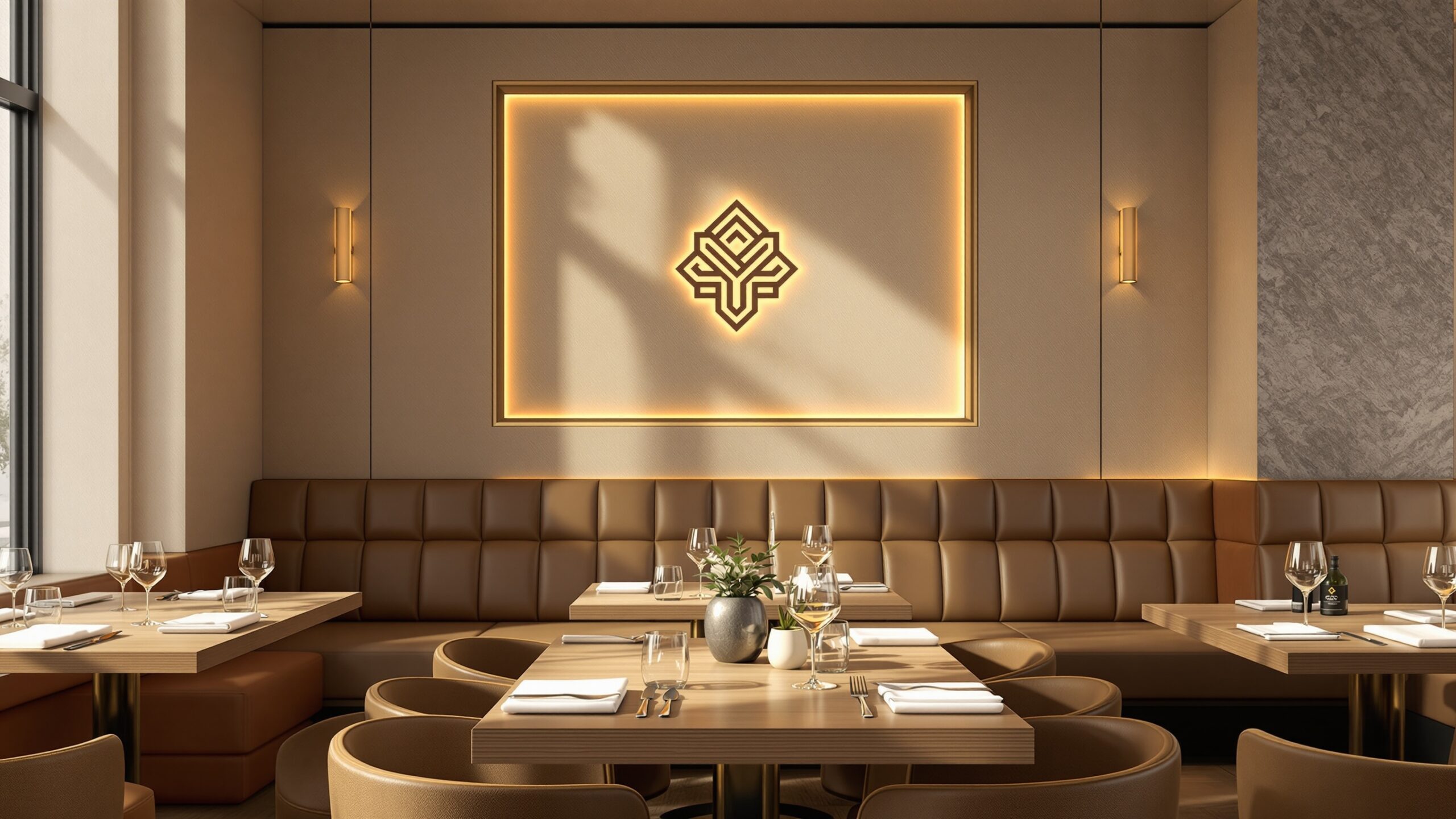
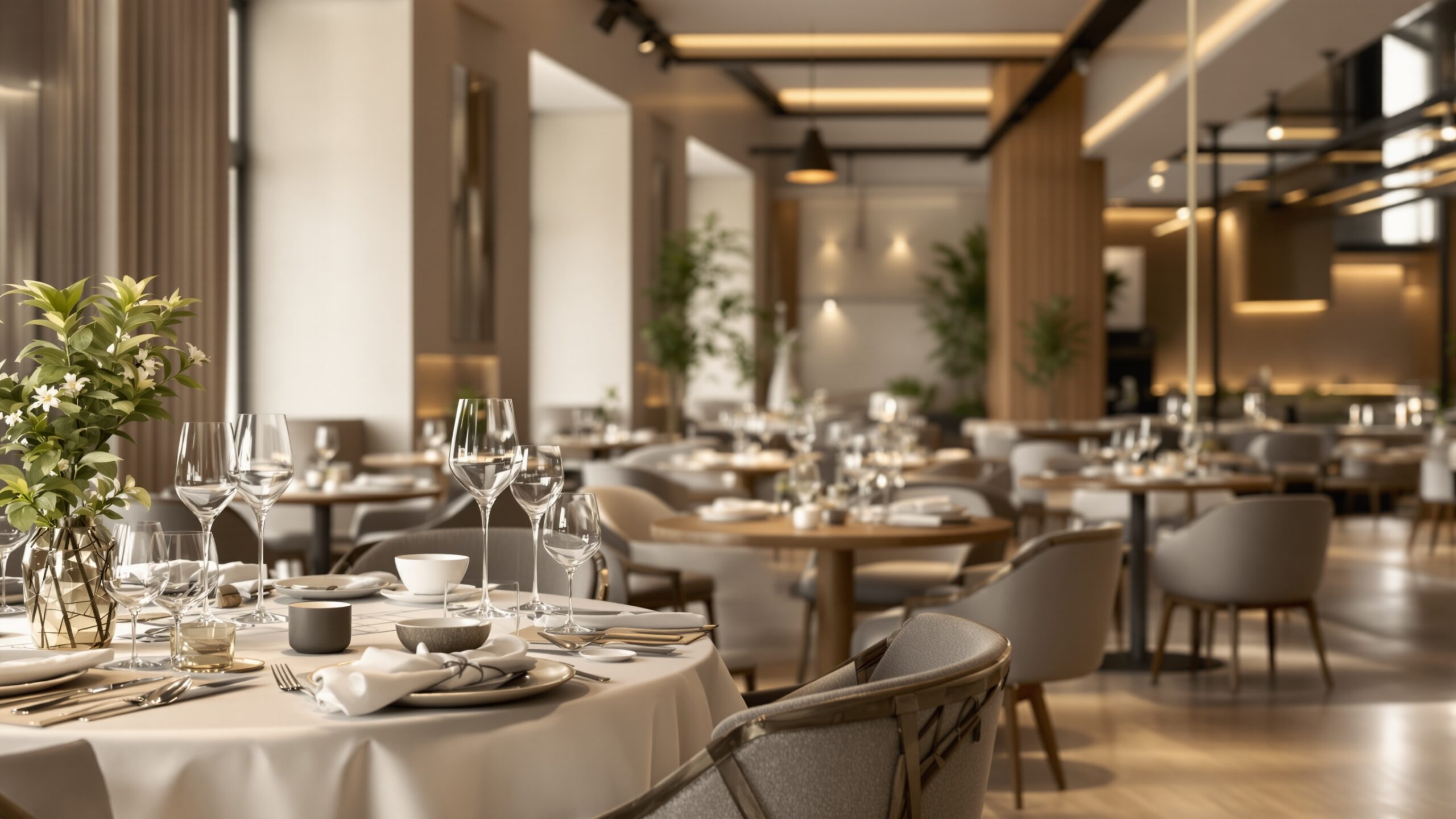
A powerful restaurant brand goes beyond visuals and messaging. It is experienced in every detail of the guest journey. From the moment someone discovers your restaurant to the moment they leave, every interaction should reflect your identity. Your interior design plays a significant role in shaping this experience. Lighting, materials, layout, and décor all contribute to the atmosphere. They should align with your concept and enhance the overall mood.
Music, scent, and even the way tables are set can influence how guests feel. These sensory elements should be carefully curated to create a cohesive and immersive environment.
Service is another critical component. Your staff should embody your brand values and deliver a consistent experience. Training your team to understand and represent your brand ensures that every guest interaction reinforces your identity. When all these elements come together, they create an experience that feels intentional and memorable.
Aligning Your Menu with Your Brand
Your menu is more than a list of dishes. It is a key expression of your brand identity. The way it is designed, written, and presented should align with your overall concept.
The dishes you offer should reflect your story and vision. Whether you focus on seasonal ingredients, innovative techniques, or traditional recipes, your menu should feel cohesive and purposeful.
Menu descriptions are an opportunity to reinforce your brand voice. They should be engaging and informative without being overly complicated. The goal is to entice and guide your guests while maintaining consistency with your tone.
Presentation also matters. The layout, typography, and materials used for your menu should complement your visual identity. Even small details can have a significant impact on how your brand is perceived.
A well-aligned menu enhances the overall experience and strengthens your brand.
Building a Strong Online Presence
In the digital age, your online presence is often the first point of contact for potential customers. A strong digital identity is essential for building awareness and attracting new guests.
Your website should be visually appealing, easy to navigate, and optimized for search engines. It should clearly communicate your concept, showcase your menu, and provide essential information such as location and hours.
Social media is a powerful tool for storytelling and engagement. It allows you to share your brand personality, highlight your dishes, and connect with your audience in real time. Consistency in visuals and messaging is key to maintaining a strong presence.
Online reviews also play a significant role in shaping perception. Encouraging positive reviews and responding thoughtfully to feedback helps build credibility and trust.
A cohesive online presence ensures that your brand identity extends beyond your physical space.
Consistency as the Cornerstone of Branding
Consistency is what turns a good brand into a great one. It ensures that every interaction, whether online or in person, feels cohesive and aligned with your identity.
This means maintaining the same visual style, voice, and experience across all touchpoints. From your website and social media to your signage and packaging, everything should feel connected.
Consistency builds recognition. It makes your brand more memorable and reinforces trust. When customers know what to expect, they are more likely to return and recommend your restaurant to others.
Achieving consistency requires attention to detail and a commitment to your brand guidelines. It is an ongoing process that evolves as your restaurant grows.
Differentiating Your Brand in a Competitive Market
Standing out in a crowded market requires more than just quality food. It requires a clear and compelling identity that sets you apart.
Differentiation can come from various sources. It might be your unique concept, your storytelling, your design, or the way you engage with your community. The key is to identify what makes you different and highlight it consistently.
Avoid trying to appeal to everyone. A strong brand is focused and specific. It embraces its uniqueness and communicates it confidently.
When your brand stands out, it becomes easier to attract attention and build a loyal customer base.
Evolving Your Brand Over Time
A restaurant brand is not static. It evolves as your business grows and your audience changes. Staying relevant requires a willingness to adapt while maintaining your core identity.
This might involve updating your visual design, refining your menu, or exploring new ways to engage with your audience. The key is to make changes thoughtfully and intentionally.
Listening to feedback and staying aware of industry trends can provide valuable insights. However, it is important to remain true to your brand and avoid chasing trends that do not align with your identity.
Evolution should feel like a natural progression rather than a complete transformation.
Building Emotional Connections with Your Guests
At its core, a powerful restaurant brand is about connection. It is about creating moments that resonate with your guests and leave a lasting impression.
Emotional connections are built through authenticity, consistency, and attention to detail. They are reinforced by positive experiences and meaningful interactions.
When customers feel connected to your brand, they become more than just patrons. They become advocates who share your story and contribute to your growth.
Creating these connections requires a genuine commitment to your values and a focus on delivering exceptional experiences.
Bringing Your Brand to Life
Creating a powerful restaurant brand identity from scratch is both an art and a strategy. It requires creativity, clarity, and consistency. It is about defining who you are, understanding your audience, and crafting an experience that feels authentic and memorable. Every element, from your concept and story to your design and service, plays a role in shaping your identity. When these elements work together seamlessly, they create a brand that stands out and endures. The journey may be complex, but the rewards are significant. A strong brand not only attracts customers but also builds loyalty, trust, and long-term success. It transforms your restaurant into a destination that people remember, recommend, and return to again and again.