Hidden Gems Restaurants in Every Major U.S. City (Ultimate Insider Guide)
Hidden gem restaurants in every major U.S. city are rarely hidden in the dramatic sense. They are usually woven into daily life: the counter beside a market, the family place in a plain strip mall, the late-night kitchen down a side street, or the tiny dining room that regulars mention only after they trust your appetite. This guide is for travelers and curious locals who want better meals without chasing the same famous reservation everyone else is chasing.
A: No. Many are good values, but the better definition is excellent food, honest identity, and less public attention than the quality deserves.
A: Use them as leads, then verify with recent menus, local comments, and signs of steady repeat business.
A: Ask a local food worker where they eat after a shift, then search that dish and neighborhood.
A: Absolutely. In many U.S. cities, some of the most serious regional cooking happens in plain retail centers.
A: Move a few blocks away from landmarks, avoid giant catch-all menus, and look for regulars instead of photo crowds.
A: Yes, especially when a chef-led room cooks beautifully without national awards or heavy media attention.
A: Share thoughtfully. A useful review can help, but sensational language can overwhelm a fragile small business.
A: Judge by smell, pace, care, and food coming out of the kitchen before judging the decor.
A: Two or three well-chosen hidden gems reveal more than a rushed checklist of ten.
A: Be curious, flexible, and respectful; the goal is a better meal, not a trophy.
Why Hidden Gems Matter in Big Cities
Major U.S. cities can make dining feel strangely predictable. Search results point visitors toward the same celebrated rooms, hotel-adjacent staples, and heavily photographed dishes, while the restaurants that feed neighborhoods every week remain easier to miss. Hidden gems restore a sense of discovery because they are shaped by repeat customers rather than national expectation. They also reveal how a city actually eats when nobody is staging the meal for visitors.
The best finds are not always obscure. Some have lines, loyal followings, or years of local press, but they still sit outside the mainstream travel path. A hidden gem may be a Salvadoran pupuseria in Los Angeles, a Lebanese bakery in Detroit, a seafood counter in Boston, a soul food lunch spot in Atlanta, or a tiny Thai kitchen in Queens. The common thread is not secrecy; it is mismatch between quality and fame.
Start With Neighborhoods, Not Rankings
Rankings can be useful, but they flatten cities into trophies. Neighborhood research gives you a better map. Look for areas where communities have built grocery stores, bakeries, religious centers, music venues, markets, and restaurants around daily life. Food culture becomes stronger when restaurants are part of a wider ecosystem, because cooks can source ingredients, hire people who understand the cuisine, and serve guests who know the difference between a shortcut and a real dish.
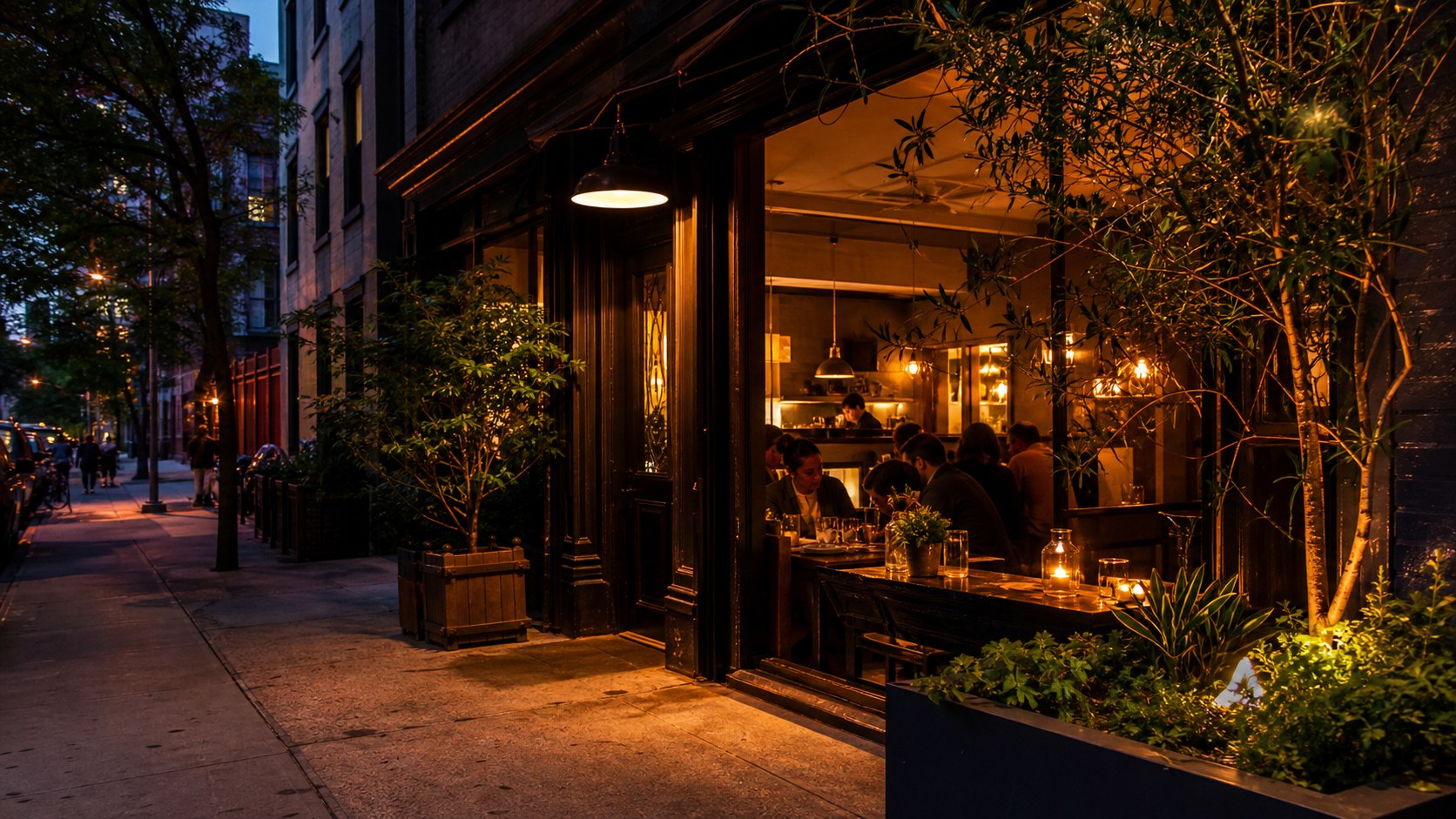
This approach works in every major city. In Chicago, it might pull you toward Devon Avenue, Pilsen, or Albany Park. In Houston, it might mean Asiatown, the Mahatma Gandhi District, or neighborhoods where barbecue, Viet-Cajun seafood, and Nigerian cooking overlap. In New York, the search can shift block by block. A neighborhood-first plan helps you stop asking which restaurant is famous and start asking where a particular food tradition has room to breathe.
Once you choose a district, stay there for more than one stop. A great lunch can lead to a bakery, a spice shop, a coffee counter, or a bar where the bartender gives the next recommendation. Hidden gems often appear through sequence rather than a single search result.
Read the Room Before You Read the Menu
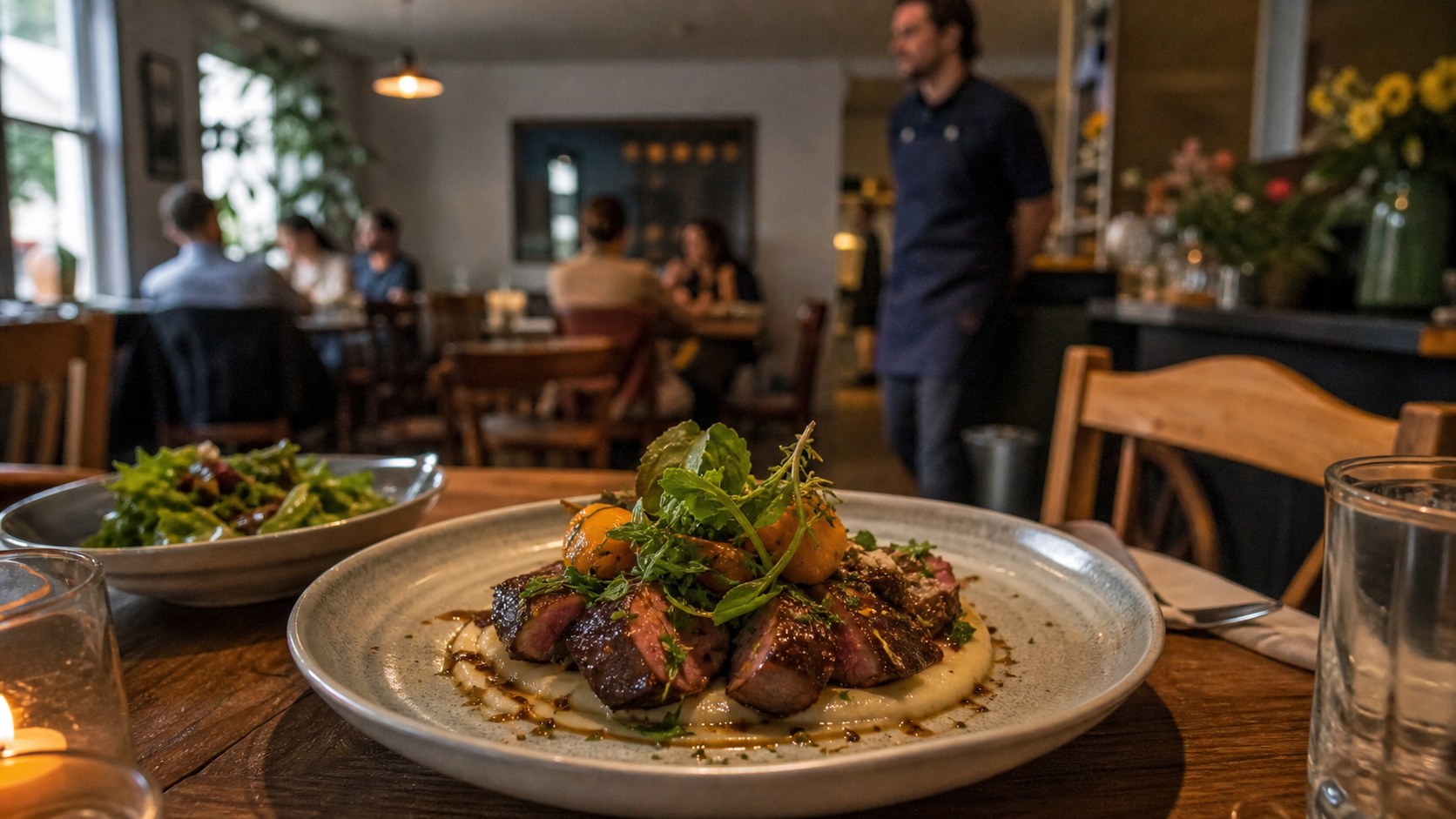
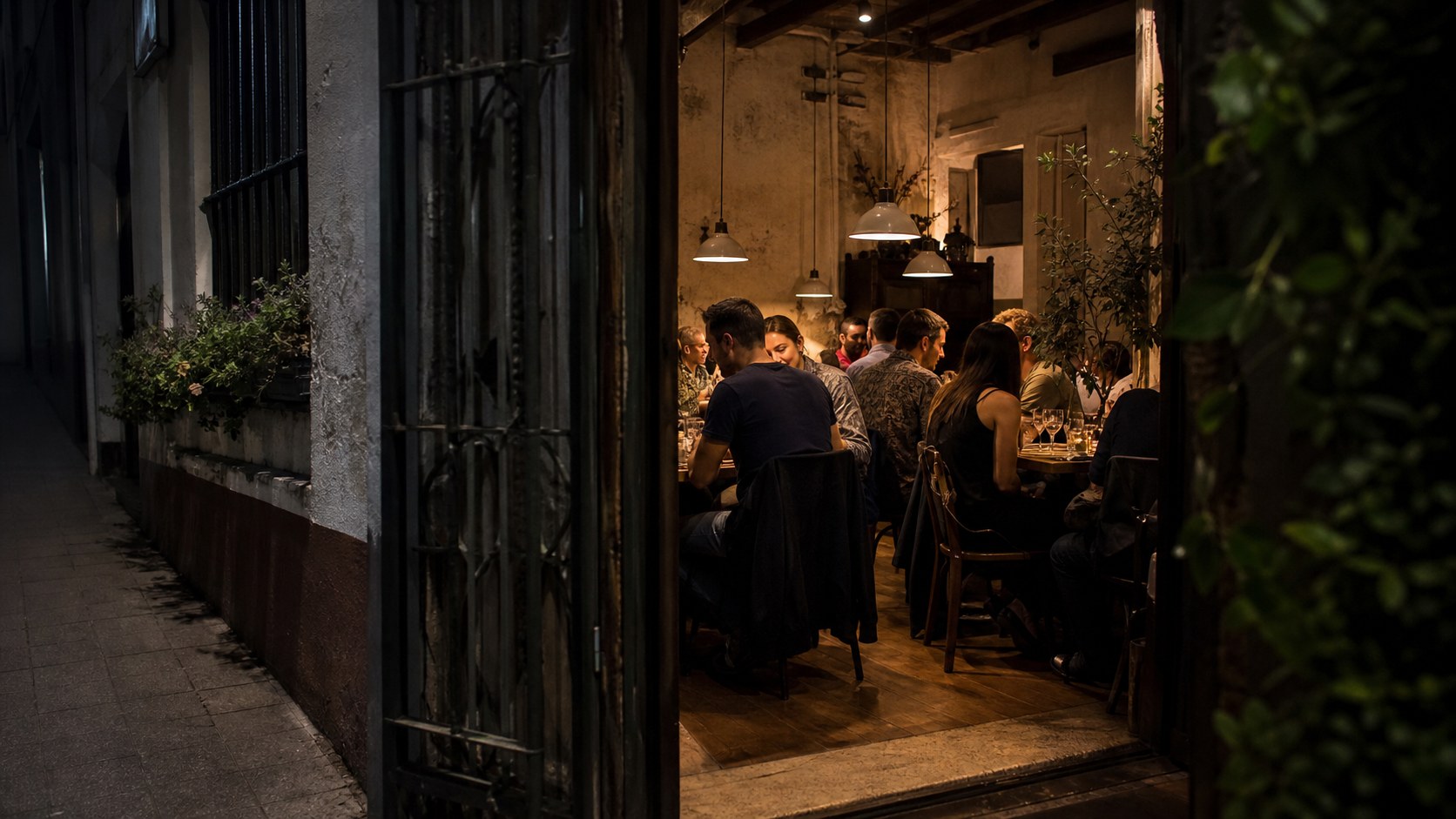
A restaurant’s room tells you what kind of promise it is making. A small counter with fast turnover may be built for one perfect bowl. A family dining room with large tables may be strongest when you order widely and share. A quiet wine bar with a tiny kitchen may depend on seasonal boards, anchovies, vegetables, and bread more than big entrees. Hidden gems are easier to appreciate when you understand the room’s rhythm before deciding what success should look like.
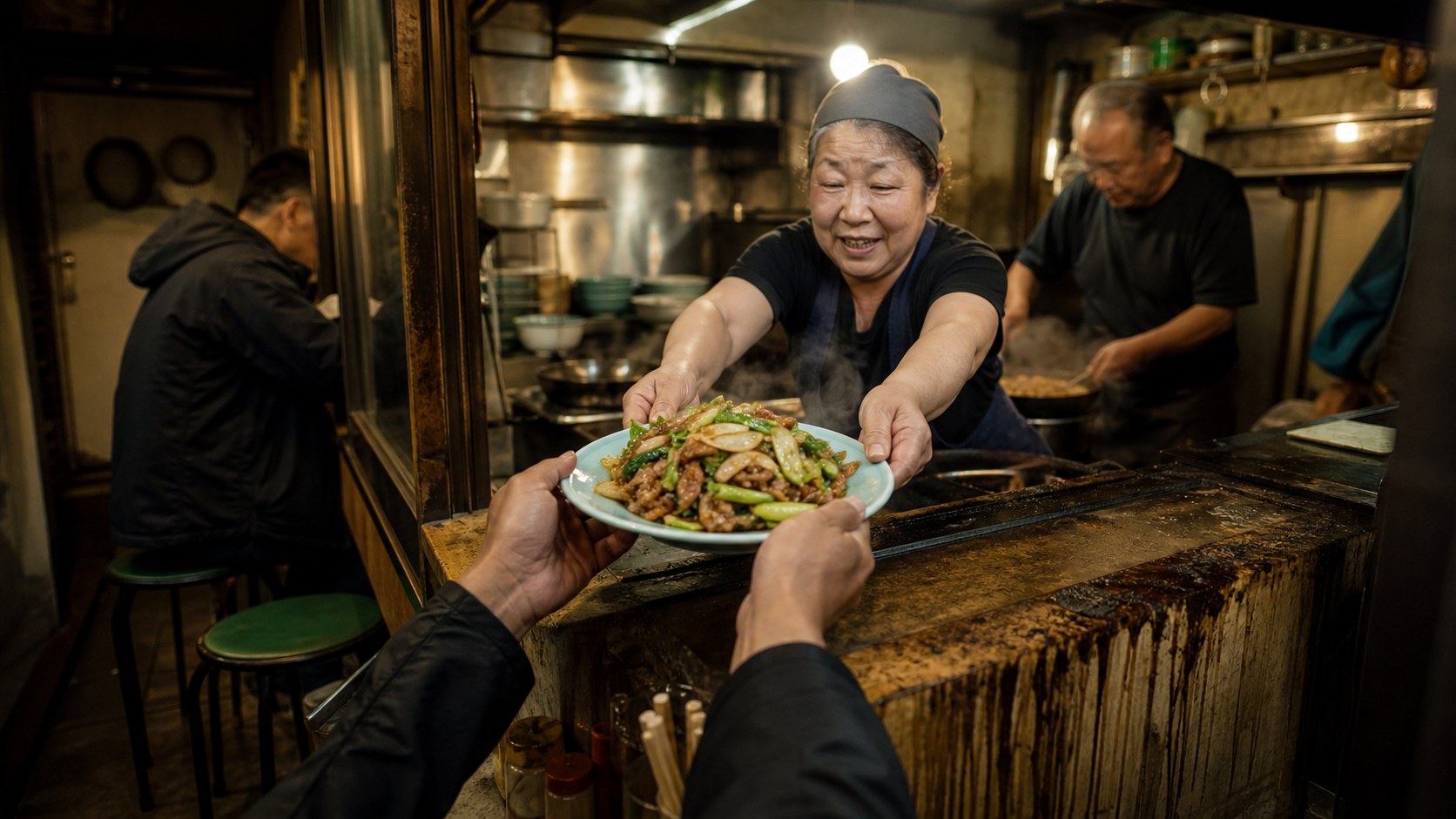
Pay attention to regulars. If people greet the owner, ask about a dish before sitting, or wait calmly because they know the kitchen is worth it, you are seeing a stronger signal than any decorative wall. Watch what gets carried to tables. Listen for whether the staff describes specials with detail. None of these clues guarantee greatness, but together they help you make a better first order.
How to Order Like You Belong
The safest hidden-gem strategy is to combine humility with appetite. Ask for one or two house strengths, then make decisions that respect the restaurant’s identity. If the place specializes in hand-pulled noodles, do not judge it by dumplings alone. If the kitchen is known for regional Mexican seafood, do not reduce the meal to tacos. If a diner has a legendary pie case, save room rather than pretending dessert is optional.
Good ordering also means understanding constraints. Small restaurants may prep limited batches because waste is expensive and labor is tight. A sold-out special can be frustrating, but it often signals care. When a server says a dish takes time, believe them. When they steer you away from over-ordering, trust that too. The point is not to dominate the menu; it is to let the restaurant show you what it does best.
If you are dining with a group, assign roles loosely: one comfort dish, one house signature, one vegetable or side, one dish with heat or texture, and one sweet finish if the kitchen makes desserts. That mix creates range without turning the meal into a chaotic survey.
City Examples Without the Checklist Trap
Every city has its own hidden-gem pattern. Los Angeles rewards strip malls, food trucks, regional specialists, and neighborhoods where a short drive changes the cuisine completely. New York rewards borough wandering and tiny rooms where rent pressure forces clarity. Chicago rewards taverns, immigrant corridors, bakeries, and old-school neighborhood institutions. Houston rewards sprawl, cross-cultural confidence, and serious cooking in places that look ordinary from the parking lot.
The mistake is treating examples as a fixed list. Restaurants open, close, change chefs, lose leases, and evolve. Instead of memorizing names, memorize behaviors. Seek areas where locals eat on weeknights. Follow dishes with a clear cultural or regional base. Notice where a dining room seems proud without being theatrical. This keeps your search alive even when the latest list ages out.
Balancing Famous Meals and Quiet Finds
There is nothing wrong with wanting a celebrated restaurant. Famous places become famous for reasons: ambition, consistency, design, hospitality, and storytelling. The problem comes when every meal is famous. A trip built only around hard-to-book rooms can feel more like logistics than pleasure. Hidden gems add texture because they let you experience the city between reservations.
A strong itinerary might pair one destination dinner with two neighborhood meals, one market stop, and one casual counter. That balance lowers pressure and often produces the story you remember. The best meal of a trip is not always the most expensive one; sometimes it is the place you found because a bakery owner pointed down the block.
How to Share a Find Responsibly
Food discovery now comes with responsibility. A small restaurant can benefit from attention, but it can also be strained by sudden crowds, impatient visitors, and guests who order only the one viral dish. If you post about a hidden gem, describe it accurately. Mention the neighborhood, the style of food, and what kind of diner will appreciate it. Avoid language that turns the place into a conquest.
Responsible sharing also means paying fairly. Tip well, order generously, and respect capacity. If a restaurant is family-run, tiny, or already stretched, bring friends who understand patience. Hidden gems survive when discovery turns into steady support rather than a brief rush.
The Insider Mindset
The real insider guide is not a secret document; it is a way of moving through a city. Walk more slowly. Ask better questions. Treat ordinary storefronts as possible doors into serious cooking. Let neighborhoods shape the day instead of forcing every meal to prove itself in advance. When you do that, hidden gems stop feeling hidden. They start feeling like the city was speaking clearly all along.
How to Build a City-by-City Shortlist
A useful shortlist starts with the kind of meal you actually want. Major cities offer too many choices for a single best-of approach, so define the occasion first: quick solo lunch, casual group dinner, date-night comfort, regional specialty, late-night bite, or one memorable splurge. Once the occasion is clear, compare restaurants inside the same purpose instead of forcing a bakery, a taco counter, and a tasting-menu room to compete for the same slot.
Then add geographic discipline. Pick two or three neighborhoods per city and research deeply inside them. In Los Angeles, that might mean Koreatown, Thai Town, and the San Gabriel Valley for one trip, not the entire metro area. In Philadelphia, it might mean South Philly, Fishtown, and West Philly. A tighter map produces better meals because you spend less time crossing town and more time noticing the surrounding food culture.
What Reviews Can and Cannot Tell You
Reviews are most useful when they reveal patterns over time. A single furious complaint about wait time may simply describe a packed Saturday. Ten recent comments praising the same soup, bread, service warmth, or lunch special are more meaningful. Look for details that repeat across different diners, especially details that are hard to fake: texture, portion logic, spice balance, staff guidance, or the way a dish changes seasonally.
Reviews are weakest when they punish a restaurant for being what it is. A tiny counter should not be judged like a luxury dining room. A regional restaurant should not be penalized because unfamiliar flavors surprised someone. Read around the bias. Sometimes a complaint about a small menu, brisk service, or bold seasoning is exactly the clue that points you toward a better hidden gem.
Make Room for Unplanned Meals
The best restaurant discoveries often happen because the day leaves space. If every meal is booked, prepaid, and timed around transportation, local advice becomes unusable. Keep at least one flexible lunch or early dinner in each city. That open slot lets you follow a bartender’s suggestion, return to a bakery you passed in the morning, or walk into the place that smelled too good to ignore.
Flexibility also reduces disappointment. A hidden gem may close early, sell out, or decide not to open on a day when staffing falls through. That is part of eating in real neighborhoods. A flexible diner treats the backup plan as another chance to learn the city rather than a failure of the itinerary.
Why the Best Finds Feel Personal
A hidden gem feels different because you helped assemble the path to it. You noticed the neighborhood, asked the question, read the room, ordered with care, and paid attention when the food arrived. The meal becomes tied to your movement through the city rather than detached from it. That personal context is why a modest lunch can outrank a famous dinner in memory.
The ultimate insider move is not hoarding addresses. It is becoming more observant. Once you understand the clues, every major U.S. city becomes more generous. You will still use lists and maps, but they will become tools instead of scripts, and your best meals will come from the space between research and curiosity.
Turn the Search Into a Repeatable Habit
After a few cities, the hidden-gem search becomes repeatable. Start with a neighborhood, identify one dish or cuisine with local roots, check recent signals, ask one human question, and leave room in the schedule. That sequence works whether you are in Seattle, Phoenix, Minneapolis, Tampa, Charlotte, or New York, because it follows how restaurants live inside communities rather than how lists package them for outsiders.
The reward is a more generous way to travel and dine at home. You begin to see restaurants as evidence of migration, labor, memory, rent, ambition, and hospitality. A great hidden gem is not only a place to eat. It is a reminder that every major city has quieter stories waiting behind ordinary doors.