Best Hidden Restaurants Locals Don’t Want Tourists to Find
The best hidden restaurants locals do not want tourists to find are rarely protected by a grand conspiracy. They are protected by habit, loyalty, limited seats, and the simple fact that regulars know where to go without writing a list for strangers. Finding them requires more than typing best restaurants near me. It requires patience, respectful curiosity, and the ability to recognize when a place is built for its community first.
Why Locals Protect Certain Restaurants
Local favorite restaurants carry more than food. They hold routines: the Friday soup, the birthday table, the counter seat after a late shift, the owner who remembers a child’s order, the dish someone missed after moving away. When outsiders arrive in waves, the rhythm can change quickly. Lines grow, prices shift, staff get rushed, and regulars lose a place that felt like part of their week.
That does not mean travelers should stay away. It means discovery should come with care. The best hidden restaurants welcome new diners who understand the room they have entered. A respectful visitor can support a business, learn something real about the city, and leave the restaurant stronger than they found it.
Look for Community Infrastructure
Restaurants that locals cherish usually sit inside a larger network. Nearby markets sell the ingredients. Bakeries make the bread. Churches, schools, social clubs, and family businesses keep people moving through the area. When you see that ecosystem, you are less likely to stumble into a restaurant built only for passing tourists.
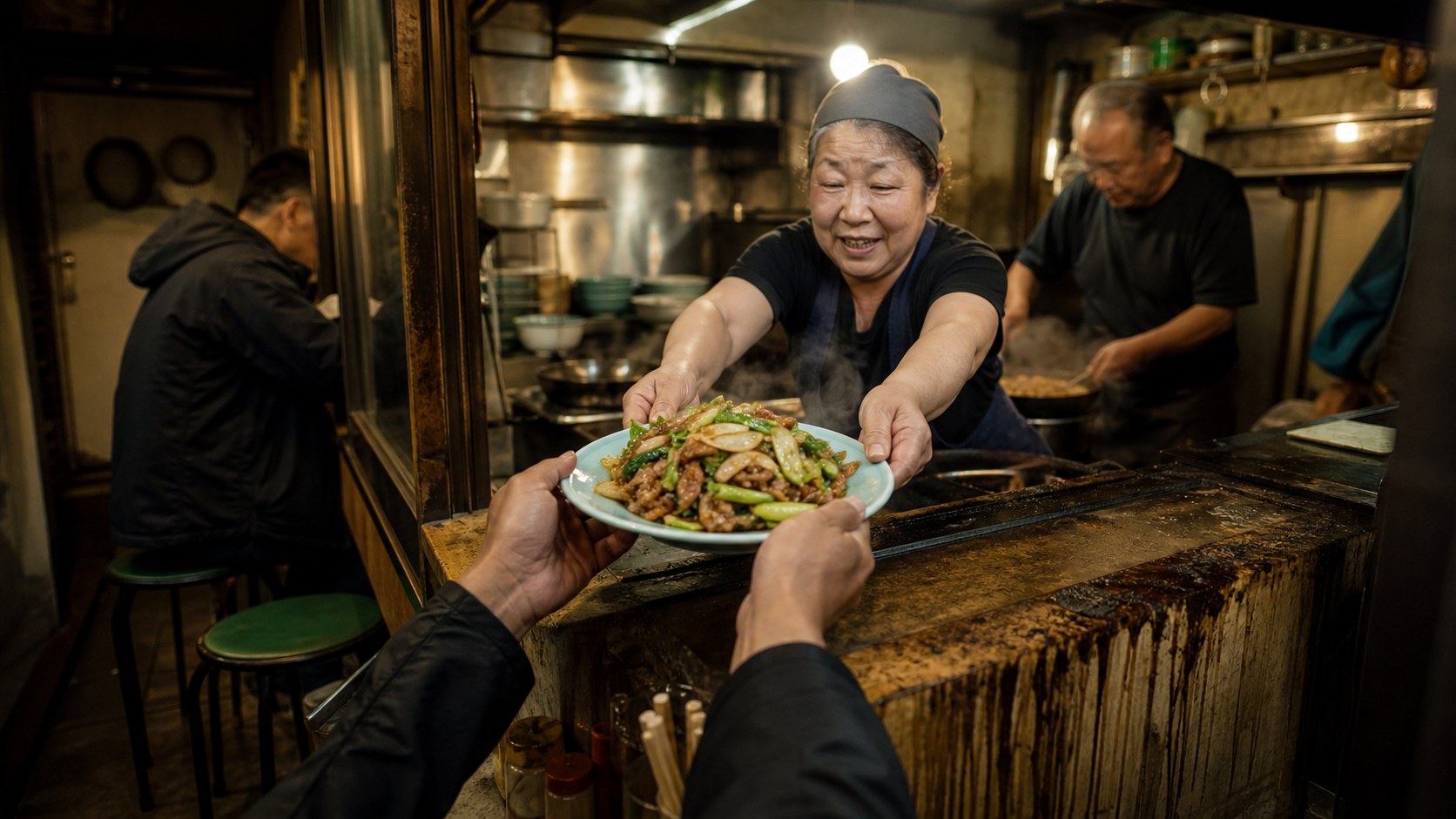
This is why a plain storefront can matter more than a famous facade. A Vietnamese noodle shop beside an herbal medicine store, a Caribbean lunch counter near a barber, or a taco truck parked near a soccer field may be feeding a specific community with real accountability. The customers know the flavors, the portions, and the price. That pressure keeps the kitchen honest.
Ask Better Questions
The fastest way to get weak recommendations is to ask, what is the best restaurant here? The word best is too broad. Ask where someone eats after work, where they take family, where they go when they want one specific dish, or which place they hope does not change. Those questions invite lived experience instead of a rehearsed tourist answer.
The person you ask matters too. Hotel desks can be helpful, but they often send guests toward safe, central options. Independent booksellers, bartenders, baristas, market vendors, rideshare drivers, and cooks often have sharper suggestions. The goal is not to pressure them for secrets. It is to give them a reason to offer a recommendation that fits your appetite and manners.
Understand the Difference Between Hidden and Unwelcoming
Some restaurants are quiet because they are exclusive, private, or not designed for outsiders. Others are quiet because they have not been amplified by media. Learn the difference. If a place seems uncomfortable with walk-ins, has unclear public hours, or operates mainly as a community space, choose another option. Hidden dining should never require forcing entry into a room that has not invited you.
Most local favorites, however, are public businesses. They want customers who behave well. Read the room, wait your turn, order with interest, and avoid treating the meal like content first. A restaurant can be both local and welcoming when guests approach it with respect.
Tourist Districts Are Not Always the Enemy
It is easy to dismiss every restaurant near a landmark, but cities are more complicated than that. Some old restaurants survive in tourist zones because they were there before the crowds. Some immigrant families build excellent businesses near hotels because rent, foot traffic, and transit make sense. The trick is to look for signs of local use even in central areas.
A restaurant near a major attraction deserves a closer read when workers eat there, the menu is specific, and the staff is not dragging guests inside. Be suspicious of giant photo menus and identical dishes in six languages, but do not assume geography alone tells the whole story.
How to Keep the Meal From Becoming a Performance
Hidden restaurants can make diners act strangely. People whisper about discoveries, photograph every corner, and treat a normal meal like a mission. That energy can flatten the experience. Sit down, order, listen, and let the place be itself. The less you perform discovery, the more likely you are to notice the small details that made regulars loyal in the first place.
A good hidden restaurant does not need you to declare it authentic. That word often says more about the visitor than the kitchen. Instead, describe what you actually tasted: the broth’s depth, the bread’s texture, the warmth of the service, the way a simple dish carried memory and skill.
When a Local Favorite Becomes Famous
Sometimes the restaurant locals protected becomes famous anyway. A chef wins an award, a video spreads, or a critic notices what regulars knew for years. Fame is not automatically bad. It can bring money, security, and pride. The challenge is whether the restaurant can grow attention without losing the habits that made it good.
As a diner, you can help by behaving like a guest rather than a scavenger. Order broadly, tip well, avoid pressuring the kitchen for viral items, and come back after the initial rush. Restaurants are living businesses, not museum pieces.
The Better Way to Find Them
The best hidden restaurants locals do not want tourists to find are not prizes to steal. They are invitations to pay closer attention. Search by neighborhood, ask precise questions, read local patterns, and enter small rooms with humility. If you do that, you will find better meals and better stories, and you may even become the kind of visitor locals are happy to send somewhere good.
Why Discretion Can Be Part of the Appeal
A local favorite often works because the scale is right. The kitchen knows how many portions it can prepare, the dining room turns at a manageable pace, and the staff can recognize regular needs without turning every interaction into a performance. Sudden attention can disrupt that balance. Locals are not always being snobbish when they hesitate to name a place; sometimes they are protecting a fragile rhythm that makes the restaurant good.
Discretion also preserves surprise. When a restaurant has not been flattened into a viral talking point, new diners can encounter it more honestly. They notice the smell of the room, the way regulars order, the pride in a simple dish, and the service style before someone else’s caption tells them what to feel.
How to Be the Tourist Locals Trust
The best way to receive better recommendations is to act like someone who will use them well. Be clear about your appetite, budget, and tolerance for unfamiliar formats. If you are not comfortable with cash-only counters, shared tables, spicy food, or brisk service, say so. Good local advice depends on fit, and fit depends on honesty.
Once you arrive, behave like the recommendation mattered. Do not complain that the room is small if you asked for a local place. Do not turn a family restaurant into a photo set. Do not punish a busy server for lacking luxury polish. Spend fairly, ask concise questions, and let the meal unfold on its own terms.
The Difference Between Scarce and Special
Not every hard-to-find restaurant is worth the effort. Scarcity can come from limited hours, poor communication, tiny capacity, or simple inconvenience. Specialness comes from food, hospitality, identity, and consistency. Before crossing a city, look for evidence that the restaurant is more than merely difficult. Are people praising specific dishes? Do regulars mention years of meals? Does the menu show focus? Does the place seem loved rather than merely obscure?
This distinction keeps the search grounded. You are not looking for the most secret address. You are looking for a restaurant whose quality has not been fully translated into mass attention. Sometimes that place is hidden. Sometimes it is sitting in plain sight while everyone rushes past it.
What to Do After a Great Local Meal
If a local tip leads to a great meal, support the restaurant beyond the moment. Leave a useful review that describes the strengths without exaggerating secrecy. Mention practical details like best time to go, style of service, and standout dishes. That helps compatible diners arrive prepared, which is better for the restaurant than vague hype.
Tell the person who recommended it what happened. A quick thank-you and a specific note about what you ordered closes the loop. It also builds trust for the next conversation. Food knowledge travels through relationships, and gratitude keeps that exchange alive.
When to Keep a Place Quiet
There are times when restraint is kinder. If a restaurant is extremely small, visibly overwhelmed, newly discovered by media, or serving a community that has limited public gathering spaces, share carefully. You can still bring business without broadcasting the place as a secret conquest. Recommend it to people who will respect it, and avoid language that invites careless crowds.
The goal is not gatekeeping for ego. The goal is stewardship. A good hidden restaurant deserves customers, revenue, and appreciation. It also deserves diners who understand that discovery has consequences.
Build Trust Before Asking for the Good Stuff
If you want better local recommendations, begin with a normal conversation rather than an interrogation. Mention what you have enjoyed already, ask about a dish you are curious to understand, or explain the kind of meal you are hoping to find. People are more generous when they feel you will appreciate the answer instead of treating it as a hack.
Trust also comes from accepting limits. Some people will give you a broad neighborhood instead of a restaurant name. Some will recommend a place but ask you not to make a production of it. Some will say the restaurant is not right for your group. Those answers are useful too. They show that local knowledge includes judgment, not just addresses.
Use the Meal to Understand the Neighborhood
A protected local restaurant often reflects the neighborhood around it. The menu may carry migration history, the price may reflect working customers, the hours may follow school schedules or shift work, and the room may double as an informal meeting place. If you rush in only for the famous dish, you miss the context that made locals protective in the first place.
Slow down before and after eating. Walk the block, visit a nearby market, notice who is coming and going, and think about why the restaurant belongs there. That attention turns a hidden restaurant from a trophy into a small lesson in how the city sustains itself.
The Best Compliment Is Returning
A hidden restaurant becomes less fragile when good guests return. One respectful visit is helpful, but repeat business is what gives a small room stability. If the meal mattered, put it back on your map. Bring someone patient, order beyond the famous dish, and let the staff see that discovery can turn into loyalty rather than a one-time rush.