Hole-in-the-Wall Restaurants That Serve Incredible Food
Hole-in-the-wall restaurants that serve incredible food prove that polish and pleasure are not the same thing. A tiny room, faded counter, handwritten sign, or awkward parking lot can hide cooking with memory, discipline, and soul. The trick is learning how to separate humble from careless. The best small places may not perform hospitality like a luxury restaurant, but they deliver flavor with conviction.
Humble Does Not Mean Lesser
A hole-in-the-wall restaurant asks you to judge differently. The chair may wobble, the menu may be taped to the wall, and the room may have no design concept beyond making lunch happen. None of that prevents greatness. In fact, the absence of polish can make the food feel more direct when the kitchen is serious.
The key is not romanticizing every small place. Some are ordinary. Some are careless. The best ones show pride through cleanliness, aroma, pace, and repetition. They may not decorate for strangers, but they cook for people who come back.
The Power of Specialization
Small restaurants often become incredible because they specialize. A kitchen that makes one broth every day, one kind of dumpling, one barbecue style, one fried chicken plate, or one regional stew can refine details that broader restaurants miss. Repetition is not boring when it leads to mastery.
Specialization also helps diners. You do not have to decode a giant menu when the restaurant’s purpose is clear. The best order is usually close to the center of gravity: the dish that built the line, the plate regulars carry out, or the item the cook keeps adjusting with pride.
Atmosphere Lives in Use
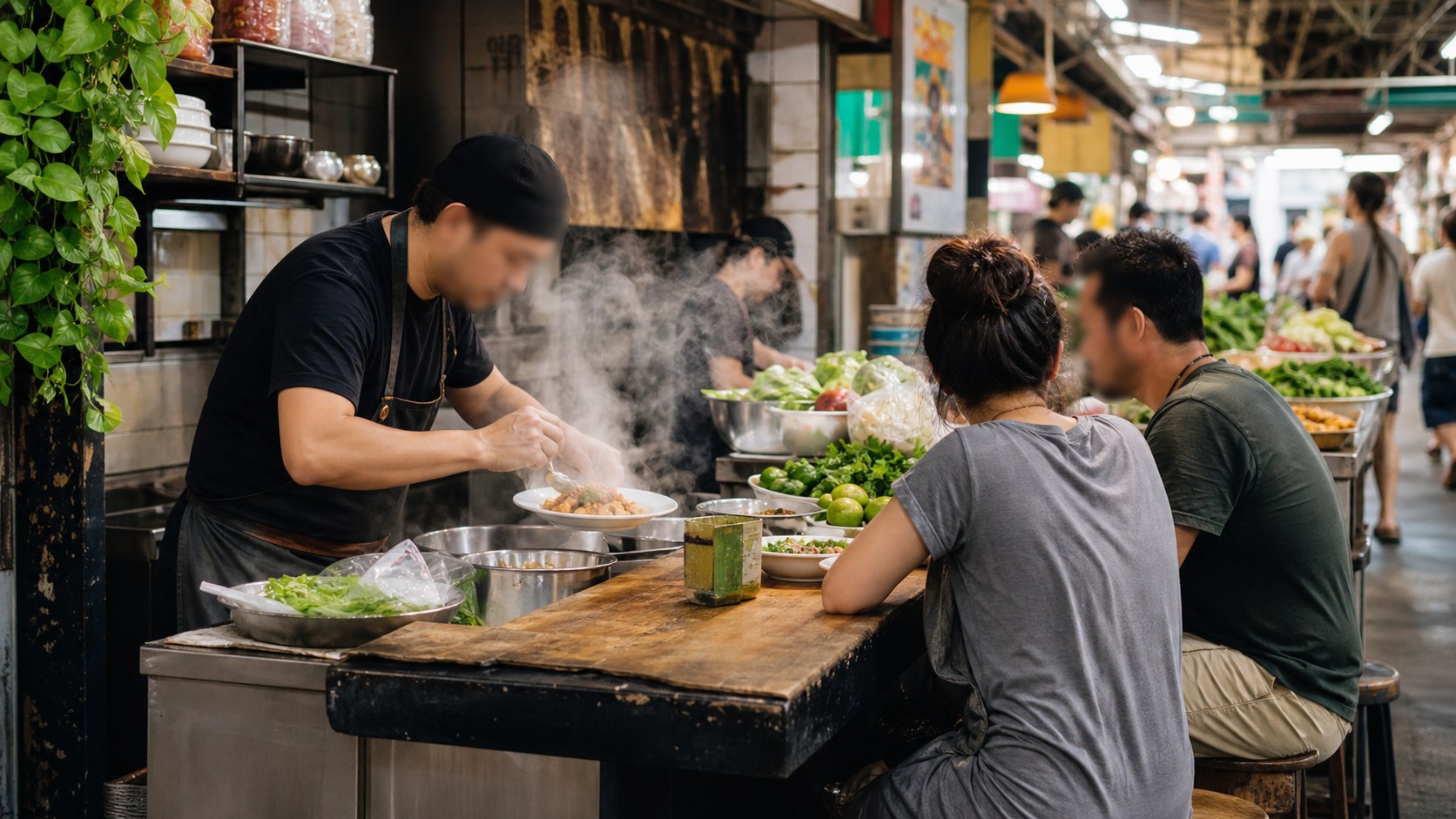
A fancy dining room creates atmosphere through design. A hole-in-the-wall creates it through use. The sounds of a griddle, the rhythm of a counter worker calling orders, the smell of onions hitting hot oil, and the sight of regulars squeezing into familiar seats can make the room feel alive. That kind of atmosphere cannot be installed overnight.
If the room feels worn but loved, stay curious. If it feels dirty, indifferent, or hostile, leave. Good diners can be adventurous without ignoring basic standards.
Ordering With Respect
At a small restaurant, ordering well helps everyone. Know what you want before reaching the counter if a line is moving. Ask concise questions. Do not request a full redesign of a dish on the first visit. If the kitchen is slammed, let the system work.
The reward is often a meal with unusual honesty. A great taco, bowl of noodles, fish plate, curry, sandwich, dumpling tray, or stew can carry more satisfaction than a polished multi-course dinner because nothing gets between you and the food.
Why Value Feels Different Here
Hole-in-the-wall value is not only about low prices. It is about the feeling that your money went toward the meal itself. You taste labor in the broth, time in the smoke, skill in the dough, or care in the sauce. The plate may be simple, but it feels complete.
That value can disappear if diners demand too much for too little. Respect the economics. If a place gives generous portions and careful cooking, tip well and avoid treating modest prices as permission to be difficult.
Bringing Friends Without Ruining the Room
The best small restaurants are not always built for big groups. Before bringing a crowd, ask whether the room can handle it. A place with ten seats and one cook may be perfect for two people and miserable for eight. Discovery should support the restaurant’s rhythm, not crush it.
Bring friends who appreciate the style of service. Someone expecting luxury pacing may miss what makes the place special. Someone who loves food more than performance will understand immediately.
The Meal You Remember
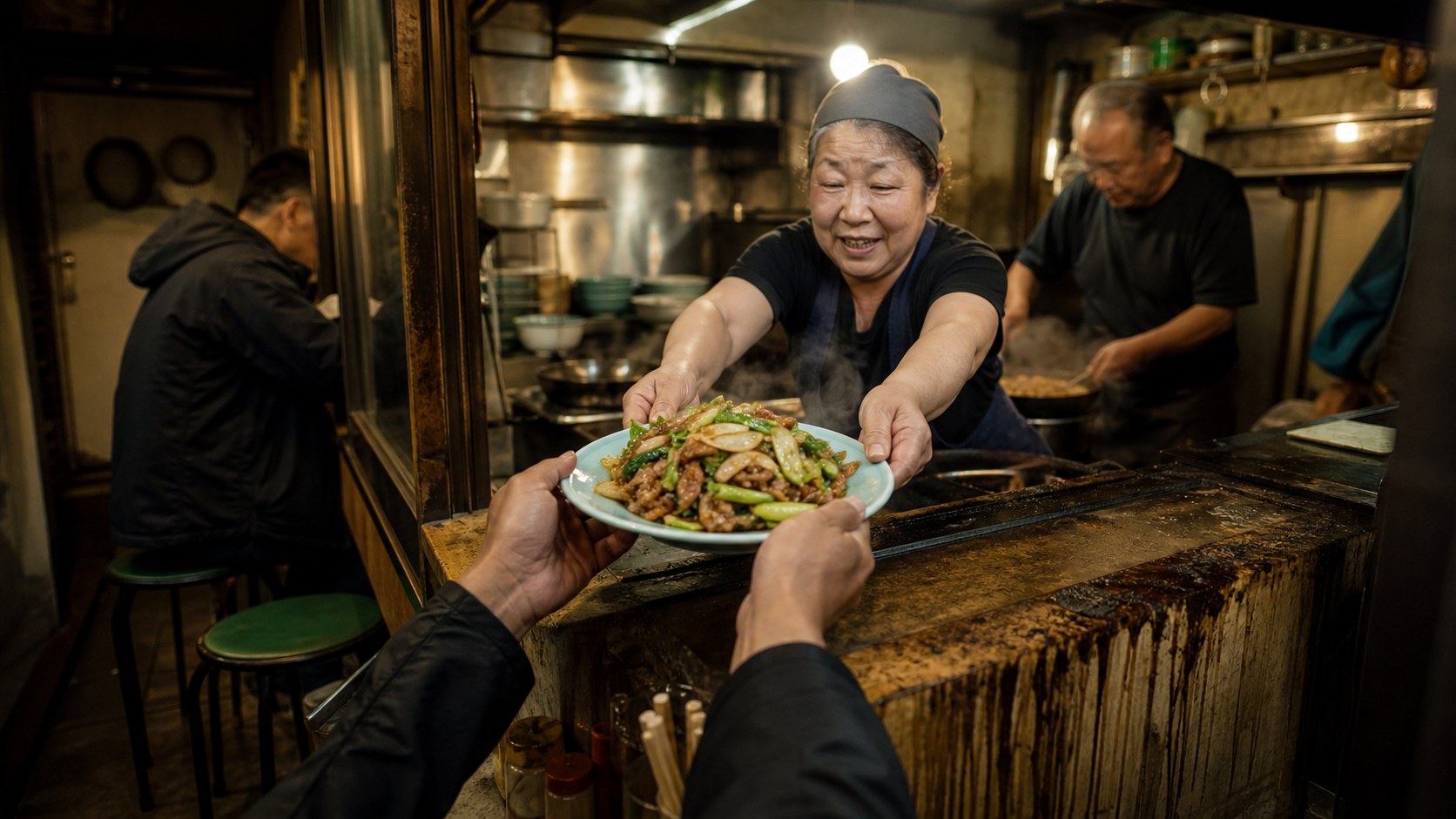
The hole-in-the-wall meal that stays with you often has one vivid detail: the crackle of a crust, the depth of a sauce, the steam from a bowl, the owner nodding when you order the right thing. Those moments remind you that incredible food does not need a grand stage. Sometimes it only needs a small room and a kitchen that means it.
Why Small Kitchens Develop Big Flavor
Small kitchens often have to make sharp choices. There is limited storage, limited labor, limited equipment, and little room for waste. Those constraints can produce clarity. A restaurant cannot pretend to be everything, so it becomes very good at the handful of dishes that keep people coming back.
That clarity is one reason hole-in-the-wall meals can feel so satisfying. The restaurant’s identity is not scattered across trends. It sits in the broth, the griddle, the fryer, the smoker, the dough, or the sauce. You taste repetition, and repetition can become skill.
Do Not Confuse Plain With Careless
A plain restaurant may have mismatched chairs, old tile, handwritten menus, and no decorative concept. That is not a problem. Carelessness is different. Carelessness shows up in dirty handling, stale smells, indifferent food, and staff who seem disconnected from the meal. Learning the difference lets you stay adventurous without ignoring your instincts.
The best humble rooms are usually cleaner and more organized than they first appear. Systems may be informal, but they exist. Regulars know where to stand, staff know the menu, food moves at a practiced pace, and the kitchen has the alert energy of people who have done this many times.
The First Five Minutes
Give yourself five minutes before deciding what kind of place you entered. Watch the food leaving the kitchen. Notice whether steam, aroma, and color suggest freshness. See how staff handle questions. Look at what regulars order and whether they seem relaxed. Those early observations are more useful than the exterior.
If you feel uncertain, order something central and modest. A bowl, sandwich, plate lunch, taco, dumpling order, curry, or stew can reveal the kitchen quickly. You do not need to conquer the menu on the first visit.
When the Best Dish Is Not the Famous One
Even small restaurants can become known for one item while the real regulars order something else. Ask what people get when they have been coming for years. Ask what takes the most prep. Ask what the staff eats. The answer may lead away from the dish that appears most often online.
This matters because hole-in-the-wall restaurants are often deeper than their shorthand. A place known for sandwiches may have a remarkable soup. A taco counter may make a weekend stew. A barbecue shop may hide its best work in sides. Curiosity turns a good stop into a better meal.
How to Support the Places You Love
Support small restaurants in ways that match their reality. Visit during slower services, order directly when possible, tip well, and be patient when labor is tight. If you love a place, do not only show up when it is convenient for you. Consistent business helps humble restaurants survive rent increases, supply shocks, and staffing strain.
When reviewing, be specific and fair. Praise the dish, the value, the warmth, or the speed. Mention practical details without mocking the room. A useful review can bring diners who understand the place instead of visitors expecting luxury from a restaurant that never promised it.
Why These Meals Feel Honest
A great hole-in-the-wall meal can feel honest because the transaction is clear. The restaurant offers food it knows how to make, often with limited fuss, and you respond with attention and appetite. There is little distance between effort and plate. That directness is refreshing in a dining culture often crowded with branding.
Honesty does not mean simplicity alone. Some of these kitchens perform complex work in tiny spaces. The difference is that the complexity serves flavor rather than spectacle. You leave remembering the food, not the pitch.
The Joy of Becoming a Regular
The best version of finding a hole-in-the-wall is returning. On the second or third visit, you understand the rhythm better. You know when to arrive, what to order, how the line works, and which friend would love it. The restaurant stops being a discovery and becomes part of your routine.
That transformation is the highest compliment. Incredible food is not only something to find once. It is something to support, revisit, and let into your life.
Understand the Economics of Small Places
Many humble restaurants operate with narrow margins. Rent, utilities, ingredients, repairs, delivery fees, and labor all press on the plate before it reaches you. When a tiny restaurant manages to serve generous, careful food anyway, that value deserves respect. Bargain hunting should not become a demand that owners underprice their own work.
This perspective changes how you dine. You may order an extra side, tip more than the bare minimum, or choose direct pickup instead of a costly delivery platform. Supporting a hole-in-the-wall is not only about praising it after the fact. It is about making choices that help it remain open.
Notice the Supporting Details
In small restaurants, supporting details often reveal the deepest care. A salsa with brightness, a pickle with snap, rice that is properly seasoned, bread warmed at the right moment, or broth served at the correct temperature can tell you the kitchen is paying attention. These details rarely get famous on their own, but they make the meal convincing.
When those small elements are strong, the main dish usually has a better foundation. A restaurant that cares about sides and condiments is less likely to be careless with the headline item. That is why a full plate can be more revealing than a single bite.
Celebrate Without Overwhelming
When you find a tiny restaurant serving incredible food, celebration is natural. The responsible version is specific, generous, and realistic. Tell people what the place does well, when to go, how to order, and what kind of atmosphere to expect. Avoid promising luxury, secrecy, or perfection if the restaurant is really about warmth, speed, value, and flavor.
Small places can benefit from attention when the attention brings compatible customers. They can suffer when it brings diners who expect the wrong experience. Your recommendation should help the restaurant meet people who will understand it.
Small Rooms Deserve Big Respect
The final lesson is simple: small rooms deserve big respect. A modest restaurant may not have publicists, design awards, or a reservation platform, but it can still carry years of labor and family risk. Enter with curiosity, judge fairly, and support generously when the food delivers. Incredible meals do not become less impressive because the room is humble.
Let Simplicity Be Enough
A great small restaurant does not need to become a larger story to justify your affection. Sometimes the point is simply that the food is hot, balanced, generous, and made by people who know their craft. Let that be enough. The meal can be humble and still be one of the best things you eat all month. That quiet satisfaction is the entire point here too.