Underrated Restaurants That Are Better Than Famous Spots
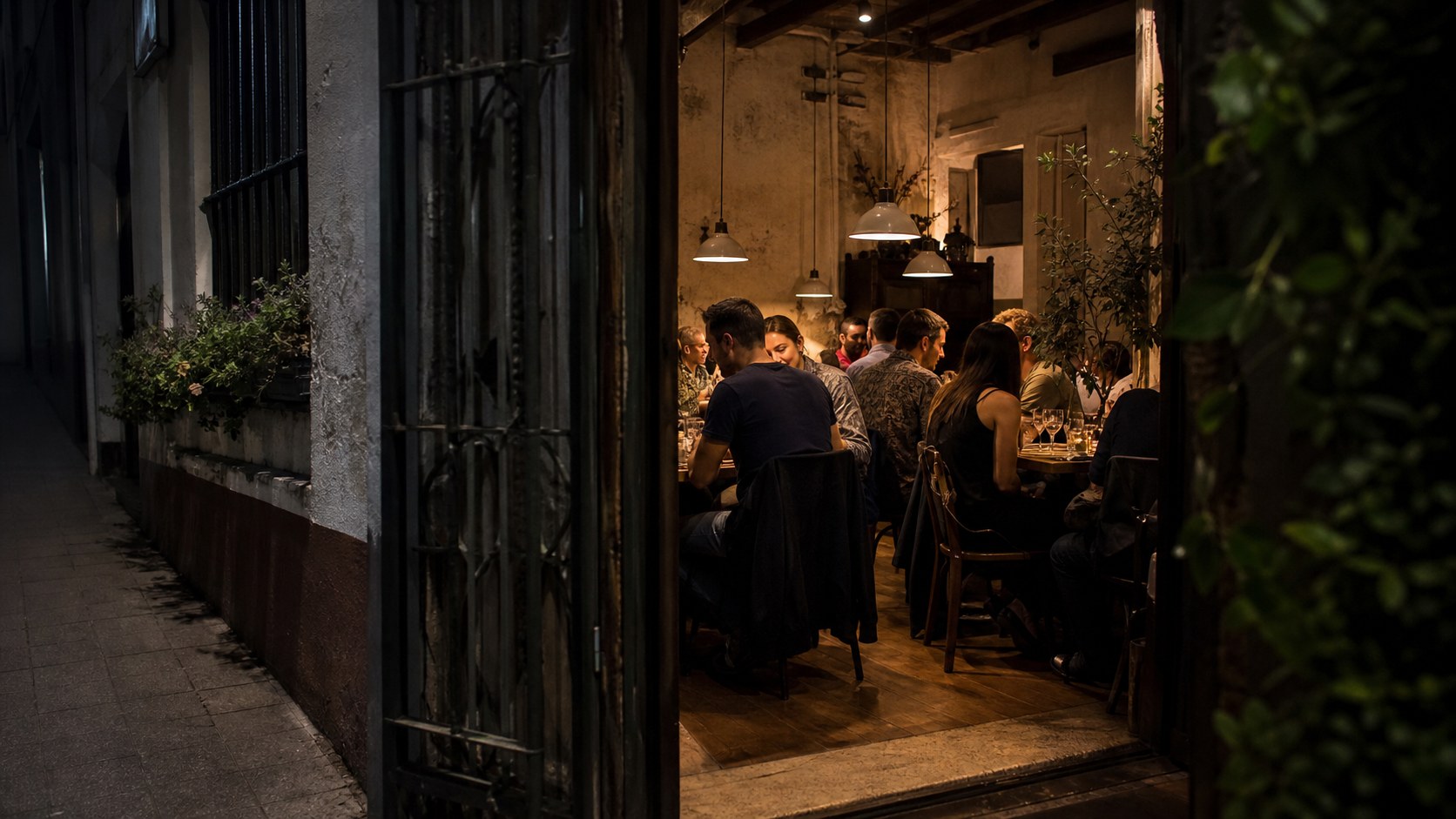
Underrated restaurants that are better than famous spots succeed because they are not spending the whole meal defending a reputation. They can cook with focus, serve regulars honestly, and deliver pleasure without the pressure of becoming a cultural event. Famous restaurants can be wonderful, but reputation can also distort expectations. An underrated room has the freedom to surprise you.
The Problem With Famous Expectations
Famous restaurants carry a burden before the first glass is poured. Diners arrive with articles, awards, videos, and reservation effort already in their heads. That pressure can make a very good meal feel insufficient because the story promised transformation. Sometimes the food is still excellent, but the expectation has become too heavy for dinner to hold.
Underrated restaurants begin in a healthier place. They can win you over course by course, gesture by gesture, without competing against a myth. When the bread is warm, the sauce is precise, and the server remembers what you asked for, the pleasure feels immediate rather than pre-approved.
Regulars Are a Better Audience Than Tourists
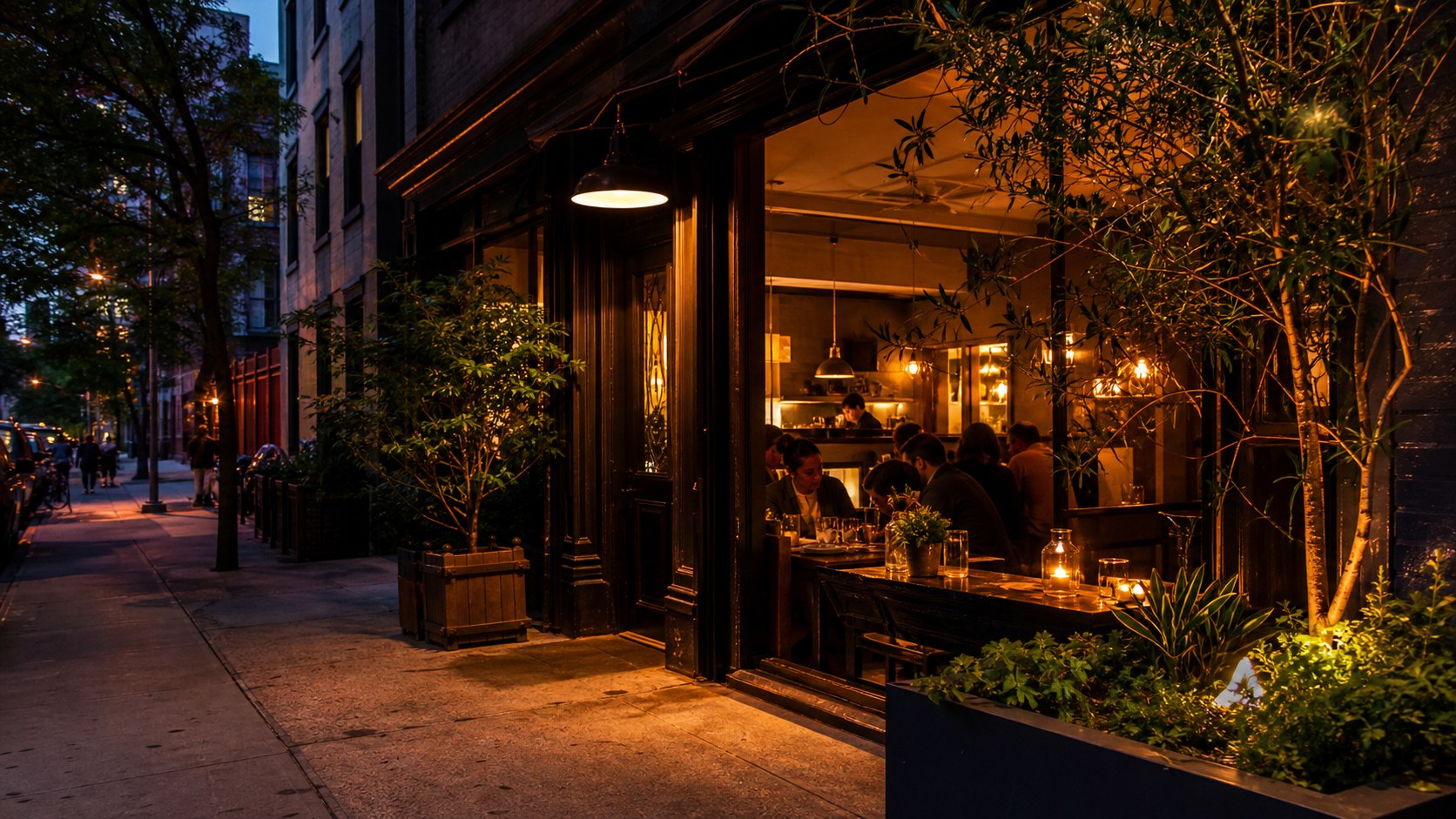
A room full of regulars is a demanding audience. They notice when the soup changes, when portions shrink, when a cook leaves, or when service loses warmth. They may not write long reviews, but their repeat spending creates accountability. An underrated restaurant that survives on regulars cannot coast on reputation for long.
Famous spots often serve many first-time diners who may never return regardless of quality. That does not make them careless, but it changes the feedback loop. A neighborhood place has to be good next Tuesday too.
Focus Beats Sprawl
Many underrated restaurants are better because they know their lane. A small menu, a few regional strengths, or a narrow cooking style can produce depth that a broader famous restaurant struggles to maintain. Focus lets a kitchen repeat, refine, and protect quality.
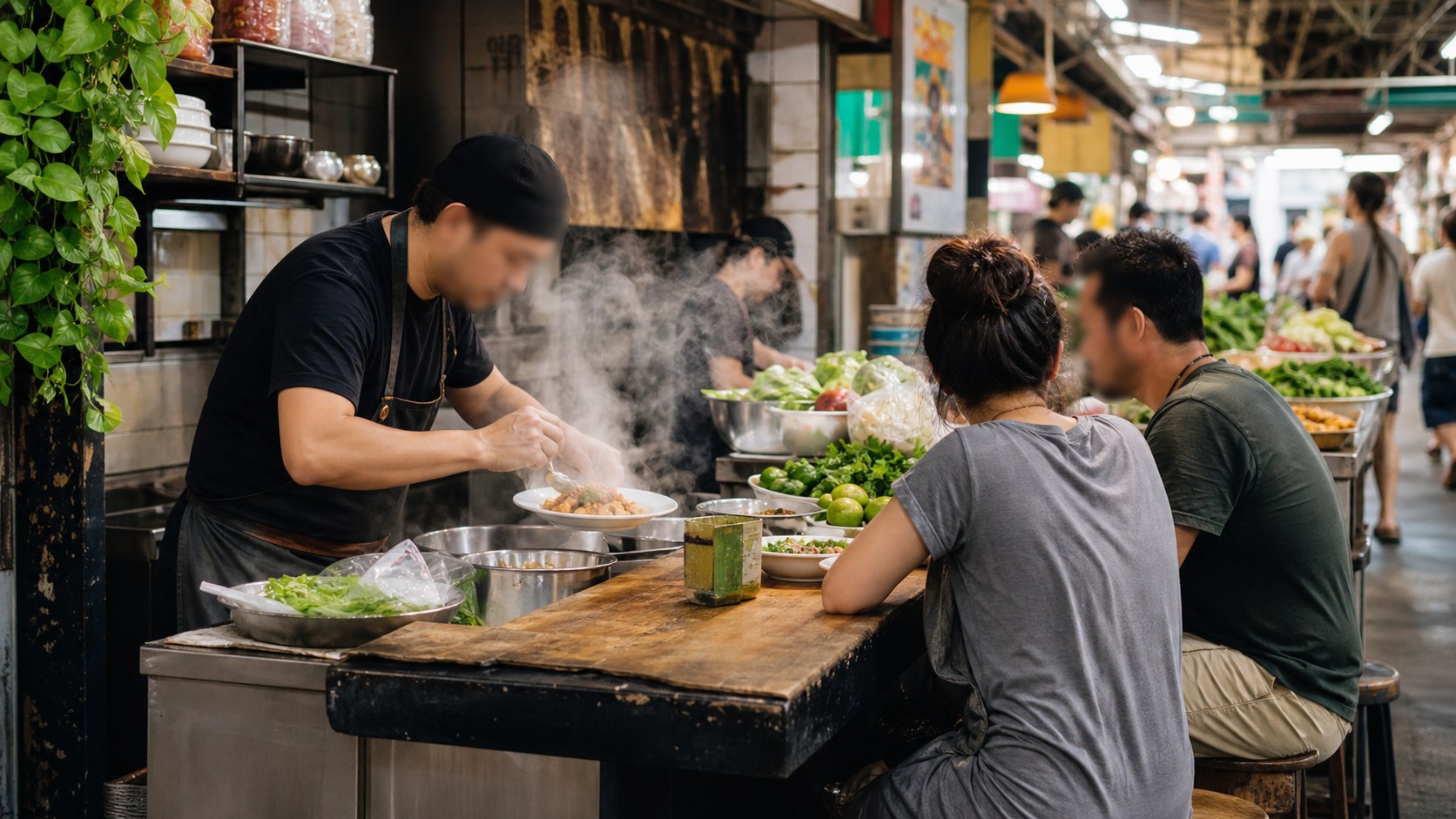
This is especially true with dishes that depend on prep: broths, doughs, braises, pickles, sauces, smoked meats, laminated pastry, and hand-shaped noodles. When a restaurant quietly invests labor where guests can taste it, reputation becomes less important than craft.
Value Is Not Just Price
An underrated restaurant can be more expensive than expected and still be a better value than a famous room. Value is the relationship between cost and satisfaction. Did the meal feel cared for? Did the staff help you order well? Did the dishes have clarity? Did you leave wanting to return? Those questions matter more than a simple bill comparison.
Famous restaurants sometimes charge for scarcity, design, and brand aura. That can be fair when the whole experience delivers. When it does not, an underrated place with fewer theatrics can feel generous by comparison.
How to Find the Better Meal
Look for repeated local affection. Search reviews for words like consistent, neighborhood, weekly, favorite, and always. Notice whether praise spreads across multiple dishes or collapses around one photogenic plate. Ask food workers where they go when they are off duty. They often know which restaurants still cook with pride after the spotlight moves elsewhere.
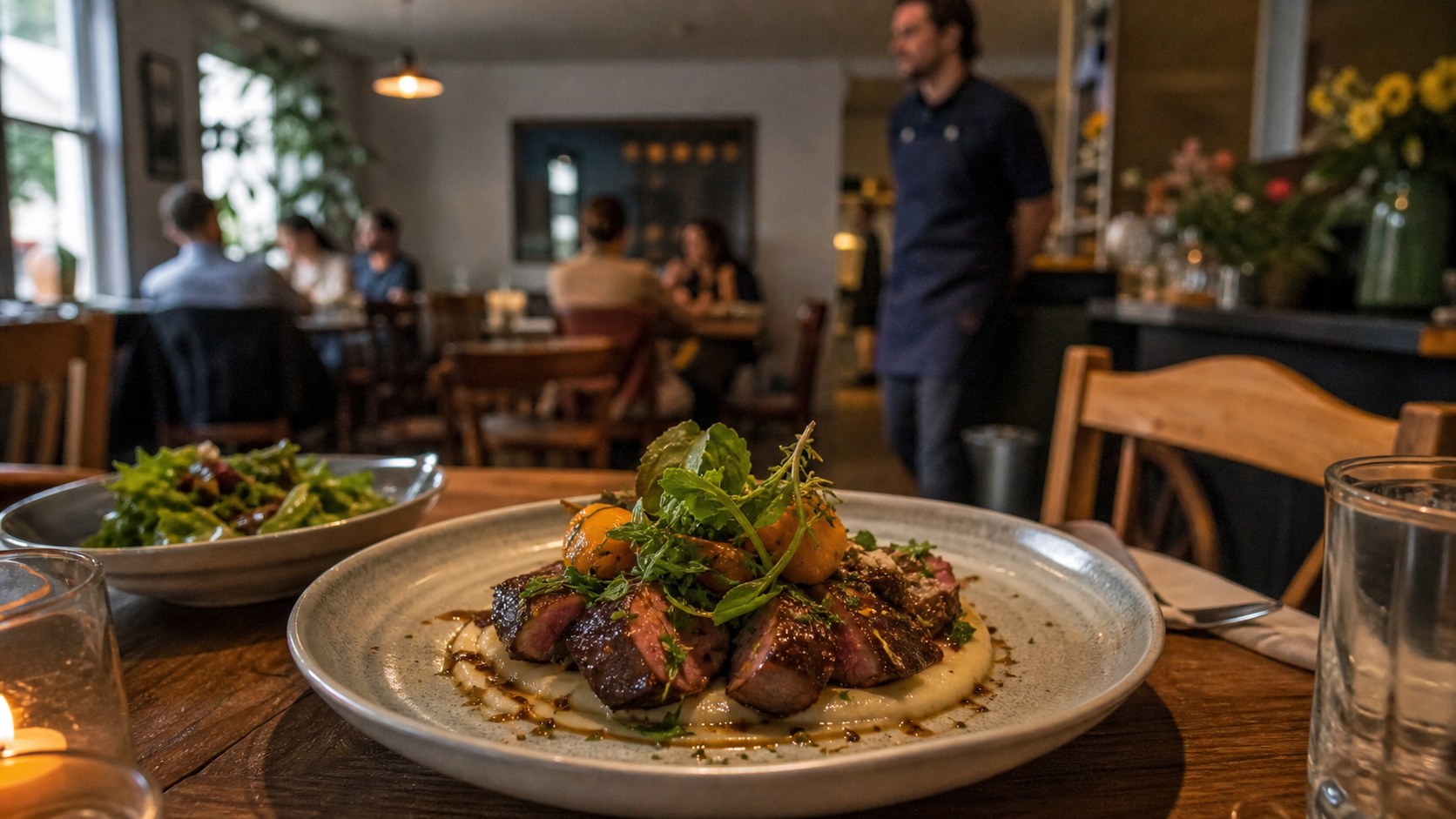
Then order in a way that tests the kitchen fairly. Try the dish people mention, but also order something quieter. If the humble item is strong, you may have found a restaurant with real depth.
When Famous Still Wins
None of this means fame is meaningless. Some restaurants are famous because they operate at a level that deserves attention. A great destination restaurant can deliver technique, sourcing, service, and atmosphere that smaller places cannot match. The point is not to reject fame; it is to stop confusing fame with certainty.
The wiser diner keeps two lists: places that shaped the public conversation and places that quietly feed people well. The second list is often where the most relaxed pleasure lives.
Choose Memory Over Status
The restaurant that stays with you may not be the one with the hardest reservation. It may be the modest room where the soup tasted like someone had been perfecting it for years, or the place where the server steered you toward the dish you almost missed. Underrated restaurants become better than famous spots when they give you a meal you remember for flavor, not status.
The Pleasure of Lower Pressure
Pressure changes how people eat. At a famous restaurant, diners may feel obligated to be impressed, to photograph every course, or to justify the cost before they have honestly tasted the meal. An underrated restaurant removes some of that noise. You can sit down, order what sounds good, and let pleasure arrive without ceremony.
Lower pressure also helps the staff. Service can be warmer when the room is not filled with guests measuring every moment against a reputation. A server in an underrated restaurant may have more freedom to speak plainly, guide the table, and admit what the kitchen is doing especially well that night.
How Underrated Restaurants Earn Trust
Trust builds through consistency. A restaurant that cooks the same dish beautifully for years, remembers its regulars, and keeps prices connected to value earns a kind of trust that fame cannot replace. It may not generate headlines, but it becomes part of people’s lives. That is a deeper achievement than a brief burst of attention.
Look for restaurants that locals describe with calm certainty. They may not call the place life-changing. They might simply say it is always good, or that they take family there, or that the soup never misses. Understatement can be a powerful clue.
Why Famous Spots Can Drift
Fame can freeze a restaurant in public memory. Diners keep booking because of an old review, a signature dish, or a chef’s reputation, even as the current meal changes. Staff turnover, rising costs, new ownership, and shifting neighborhoods can all affect quality. A famous restaurant may still be good, but the fame can make people slow to notice when the gap widens.
Underrated restaurants can drift too, of course. The difference is that they have less room to hide. When regulars stop coming, the business feels it quickly. That pressure can keep a modest place sharper than a destination room coasting on old praise.
Fit Matters More Than Prestige
The better restaurant is often the one that fits the moment. A celebratory tasting menu might be wrong after a long travel day. A modest noodle shop might be perfect. A famous steakhouse might impress clients, while an underrated neighborhood bistro might create the better anniversary dinner. Prestige is only useful when it serves the occasion.
Before booking, ask what you need from the meal: comfort, discovery, conversation, speed, romance, generosity, technical ambition, or a sense of place. Once the need is clear, underrated restaurants often rise because they solve the actual dining problem instead of the status problem.
How to Talk About Underrated Places
When recommending an underrated restaurant, describe its lane. Say it is great for a quiet weekday dinner, a generous lunch, a specific regional dish, or a group that cares more about flavor than decor. That kind of recommendation helps the right diners appreciate it. Calling every overlooked place the best in the city can create the same distorted expectations that make famous restaurants feel disappointing.
Good praise is accurate praise. It protects the restaurant and the diner. It lets a humble room be excellent without forcing it to become something else.
The Restaurant You Actually Miss
A useful test comes after the trip or the month ends. Which restaurant do you want to revisit when nobody is watching? Which dish returns to mind on an ordinary afternoon? Which staff interaction made you feel cared for rather than processed? The answer may not be the most famous place.
Underrated restaurants win when memory chooses them without needing proof. They may not dominate lists, but they become part of your personal map, and that map is often more valuable than public consensus.
Ask What the Restaurant Is Trying to Be
An underrated restaurant becomes easier to judge when you ask what it is trying to be. Is it a relaxed neighborhood room, a serious regional specialist, a value-driven lunch counter, a chef-owned bistro, or a family place built for comfort? Once you identify the promise, you can judge whether the restaurant fulfills it instead of punishing it for not offering someone else’s version of excellence.
Famous spots are often judged by public mythology. Underrated spots deserve a cleaner test. Did the meal match its purpose? Did the kitchen care about details inside its lane? Did the service help the table enjoy what the restaurant actually does? Those questions reveal quality more accurately than prestige.
Use Repeatability as a Quality Test
The strongest underrated restaurants make you imagine returning on an ordinary night. Not a birthday, not a trip, not a special event, just a regular evening when you want to eat well. That repeatability is powerful. It means the restaurant offers more than novelty; it offers usefulness, comfort, and trust.
Famous restaurants may create once-in-a-year memories. Underrated restaurants often create better lives for the people who live near them. A dining culture needs both, but the second category is easier to overlook because it does not always announce itself dramatically.
Let Your Own Palate Have the Final Vote
Public opinion can point you toward a restaurant, but it cannot taste for you. After the meal, set aside the ranking, the award, the room’s fame, and the online argument. Ask what you actually enjoyed. Which dish had balance? Which moment felt generous? Which restaurant would you recommend without needing to mention its status?
That final vote matters because dining is personal. An underrated restaurant that fits your palate can beat a famous one that impresses you intellectually but leaves you cold. The better meal is the one you remember with appetite.
Keep a Personal Underrated List
Build your own list of underrated restaurants and update it after repeat visits. Include what the restaurant is best for, which dishes hold up, when service feels strongest, and who would enjoy it. This kind of private, practical list is more useful than a trophy ranking. It helps you match real meals to real occasions, which is where overlooked restaurants often beat famous ones.
Revisit Before You Rank
One meal can reveal promise, but a second visit reveals character. If an underrated restaurant impresses you, return at a different hour or with a different appetite before deciding exactly where it belongs in your personal map. Consistency is the quiet quality that separates a pleasant surprise from a restaurant you can trust. Famous spots are often judged from a single expensive occasion; underrated places deserve the richer evidence of return visits. A reliable neighborhood room may not create a dramatic story every time, but it can become the restaurant you recommend most often because it keeps meeting real needs with grace, flavor, and restraint. That kind of usefulness is easy to undervalue until it disappears. It is often the mark of a restaurant built for real life, not just attention or quick applause online today.